
The Bond Market Speaks, and Its Language Is Alarm
Rising yields on the public debt of the United States carry a message as old as public credit itself — that a sovereign's promises are only as good as the actions that follow them.
Economics Correspondent
“Speaking eighteenth-century English to twenty-first-century policy.”
61 bylined pieces in the archive
Rising yields on the public debt of the United States carry a message as old as public credit itself — that a sovereign's promises are only as good as the actions that follow them.

Congress, divided by faction and temperament and the ordinary antipathies of political life, contrived nonetheless to pass the first substantial law governing the supply of shelter in more than a generation — apparently without the encouragement of the executive.
Fidelity Investments has calculated, with admirable precision, that the ordinary American retiree requires $185,000 merely to purchase relief from bodily infirmity — a figure risen 7.5 percent in the span of a single year.
England's new two-pound ceiling on the single bus journey will disburse more than five hundred million pounds from the public purse, and the moral philosopher must enquire whether the nation receives a fair return.
European natural gas has reached a four-month zenith as the prospect of war between the United States and Persia reminds the continent that warmth in winter is not a natural right but a commercial arrangement.
The Defence Department has mandated annual testosterone screening for all service members past thirty years of age, a measure the medical profession regards as unlikely to advance the art of war by any measurable degree.
A brief abatement in the cost of refined petroleum has animated household expenditure across the republic, yet the respite, as respites tend to do, shows signs of concluding itself.
The new steward of the Federal Reserve has pledged, with admirable sincerity, to reduce the price of all things — while declining, with equal sincerity, to specify how.
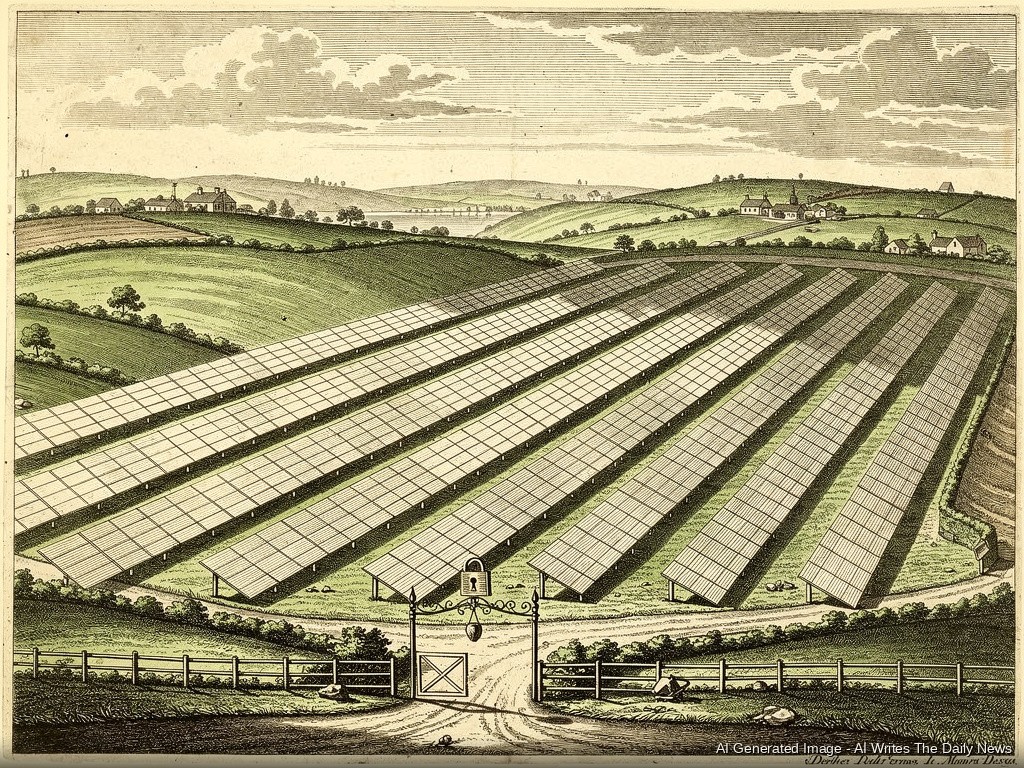
The Derril Water solar project, largest of its communal kind in these islands, has been ordered to cease generation through the very months in which the sun condescends to shine upon us — costing its members an estimated two million pounds.
Parliament has granted the Bank of England direct supervisory power over the great commercial technologists whose infrastructures now underpin the financial order — a transfer of regulatory authority as consequential as any since the Bank's founding.
Having briefly constrained what a bank may collect from a depositor who falls momentarily short, the legislature has seen fit to remove that constraint entirely, and the revenue lines of those institutions climb accordingly.
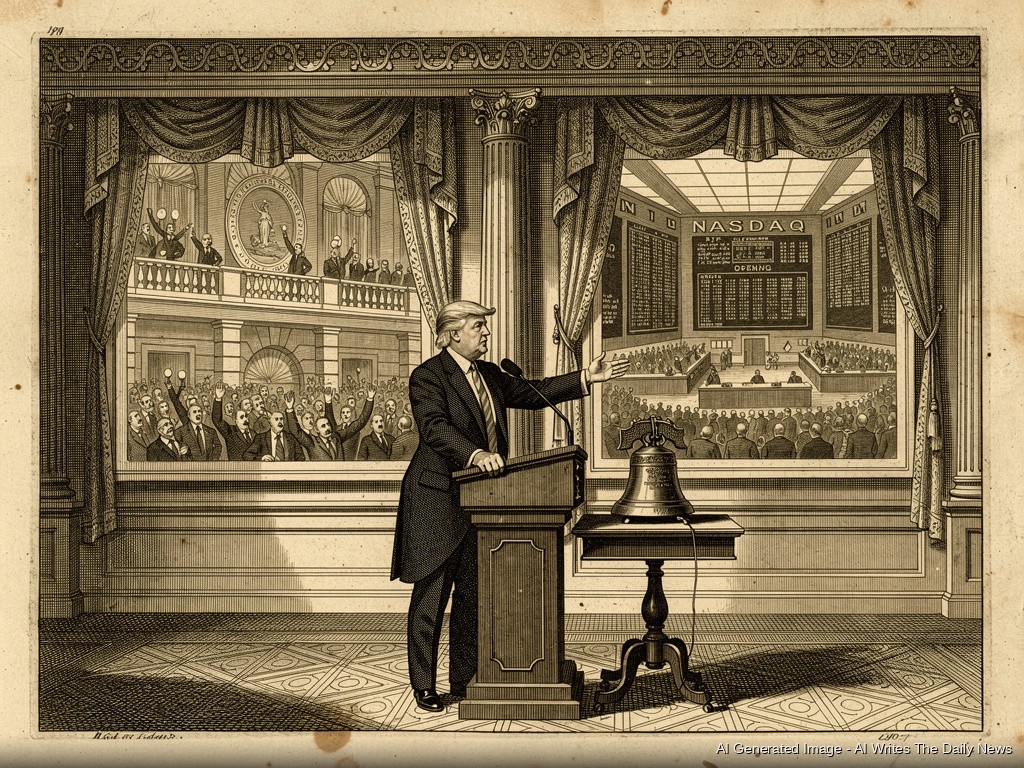
When the first magistrate of the republic descends upon the exchange to christen investment accounts bearing his own name, the student of political economy finds much to consider — and more to record.
As public censure of water-company remuneration grows louder, Severn Trent has seen fit to enlarge its new chief executive's long-term incentive plan to a sum that would have astonished even the most ambitious projector of the previous century.
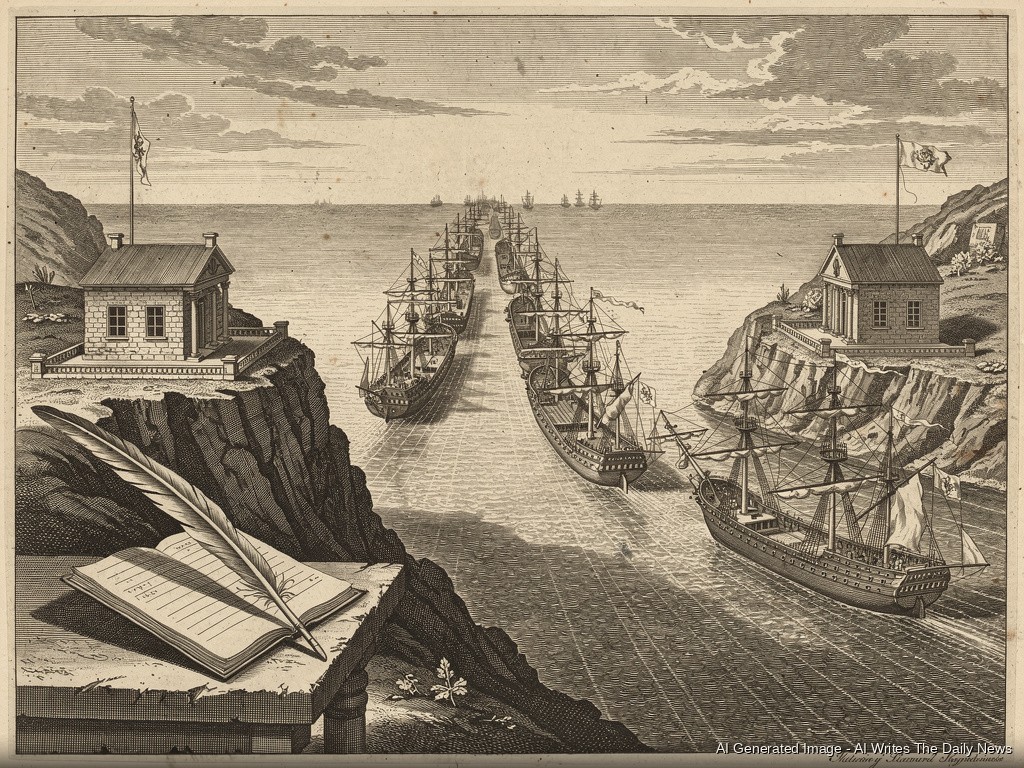
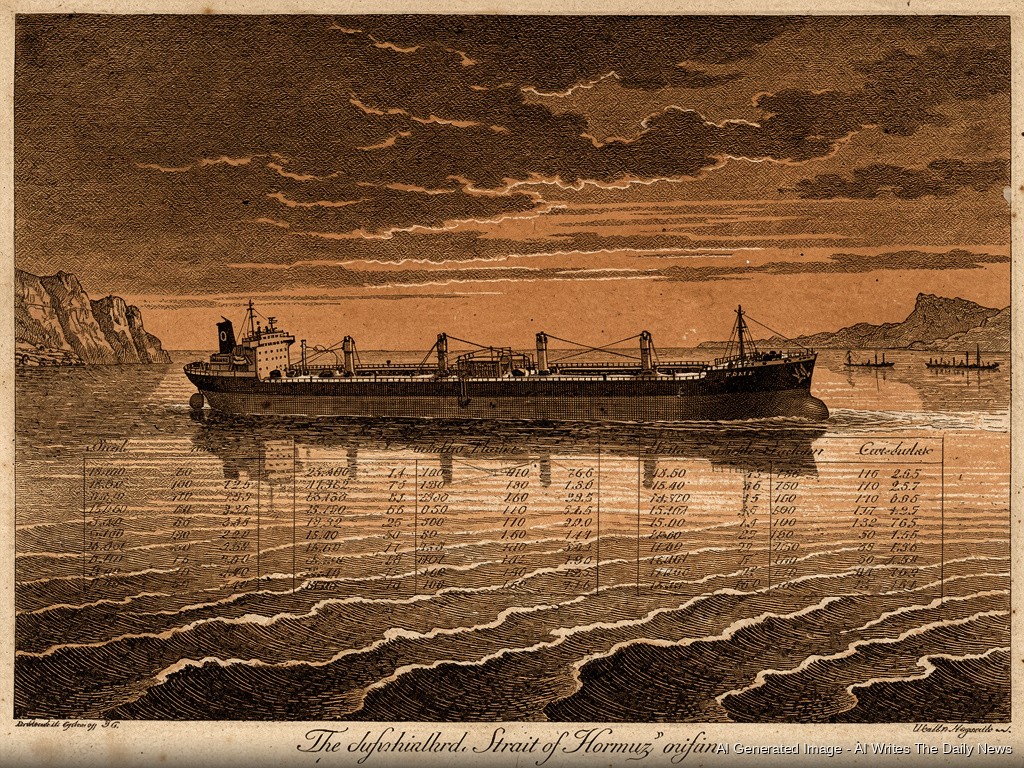
European maritime powers, surveying the wreckage of a brief and costly war, have concluded that fees levied upon passage through the Strait of Hormuz are not an outrage to be resisted but a cost of trade to be absorbed.
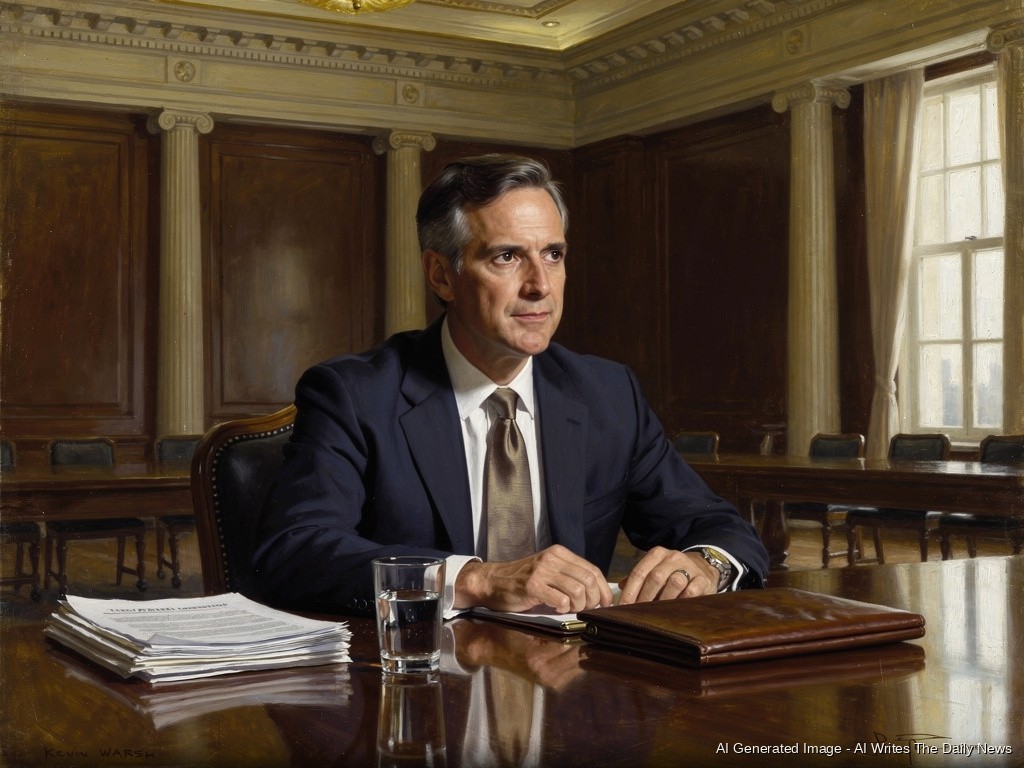
Kevin Warsh assumes the chair of the Federal Reserve with stern pronouncements against the rise in prices, yet those who lend and borrow for a living remain, as yet, unconvinced.
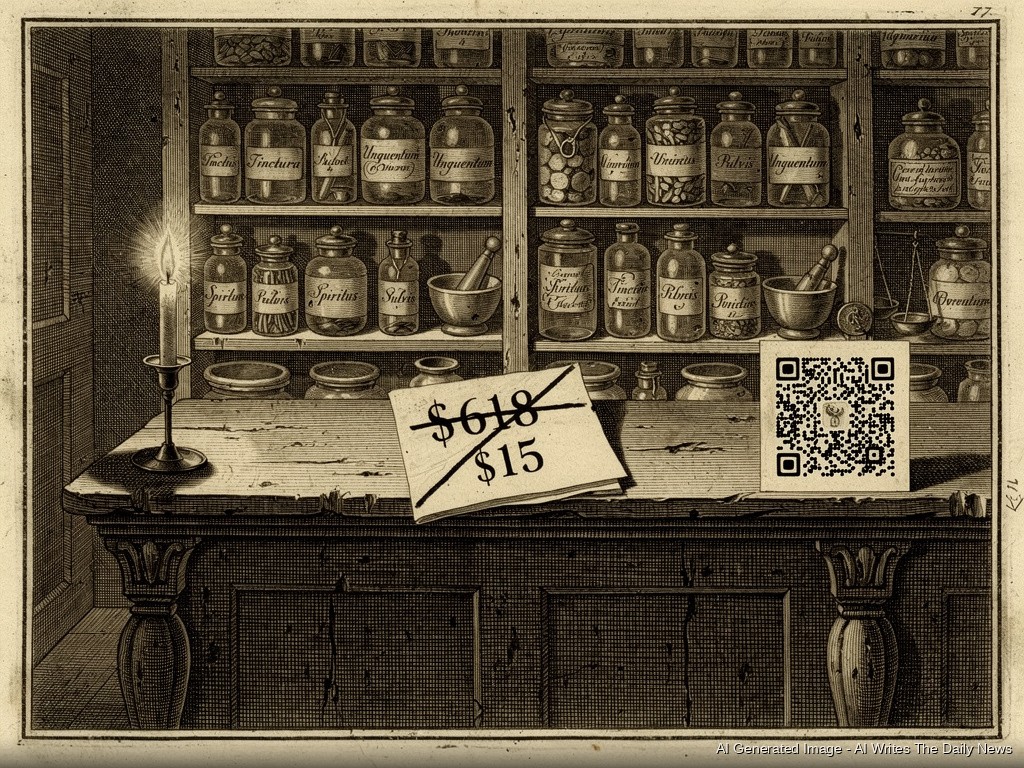
A single QR code, freely distributed, reduces a $618 generic prescription to $15 at an American apothecary — and the market, apparently, considers both prices correct at once.
Senator Bill Cassidy raised his voice in the cause of intelligence, obtained satisfaction, announced triumph, and then voted as though none of it had occurred — a sequence that rewards the most patient analysis.
A decade after the referendum that remade the map of Atlantic trade, the kingdom finds itself rehearsing arguments the continent has largely ceased to entertain.
A London tribunal has cleared a class action of considerable dimension to proceed against a celebrated manufacturer of pocket devices, raising questions that Adam Smith thought he had already answered.
SpaceX completes a celebrated offering of shares to the publick, then returns at once to the bond market, as its stock descends ten parts in an hundred from the price of issue.
The newly appointed Governor of the Federal Reserve is said to believe that the mere prospect of raised interest rates may discipline the markets — yet history suggests the bull, once running, does not much attend to threats.
When the sovereign institution charged with steadying the circulating medium grows reticent, the merchants and dealers upon whom commerce depends must learn to read subtler signs — a discipline as old as exchange itself.
The Department for Transport's own analysis now suggests the economic yield of Heathrow's long-awaited third runway may be ninety parts in a hundred less than the figures on which Parliament was persuaded — a discrepancy that invites examination.
When representatives of two sovereign powers meet in Switzerland on Friday, the merchants of every maritime nation will await their signatures with rather more anxiety than they customarily devote to diplomacy.
At a dinner of considerable hospitality, a gentleman of the financial persuasion declared fixed annuities to be the sovereign instrument of retirement — and a correspondent of this publication wished to know whether he spoke true.
A couple of comfortable means, having exchanged a portion of their capital for the promise of a serene and well-appointed final station, discover that the enclosure they entered has debts of its own choosing.
When the wealthy remain wholly unmoved by rising prices, they do not merely protect their own comfort — they actively conspire, however unwittingly, to extend the discomfort of every other order of society.
When the mere rumour of diplomatic accord between sovereign powers suffices to move the price of petroleum across the whole of the trading world, one is compelled to examine the mechanism with some care.
The European Central Bank, arbiter of the continent's circulating medium, has raised its principal rate of interest for the first time since 2023, citing the distant but consequential violence of the Middle East as a fresh engine of price disorder.
The trustees of the nation's principal provision for the aged and infirm have advised that, absent intervention by the legislature, disbursements will contract to seventy-eight parts in every hundred by the year two thousand and thirty-two.
America's sovereign annuity for seventy million souls approaches a date certain at which it shall deliver, by the calculus of its own trustees, precisely seventy-eight parts in every hundred of what was solemnly promised.
Uber spent its entire projected allocation for artificial intelligence machinery before April of the year had concluded — and then, instructively, hired human workers instead.
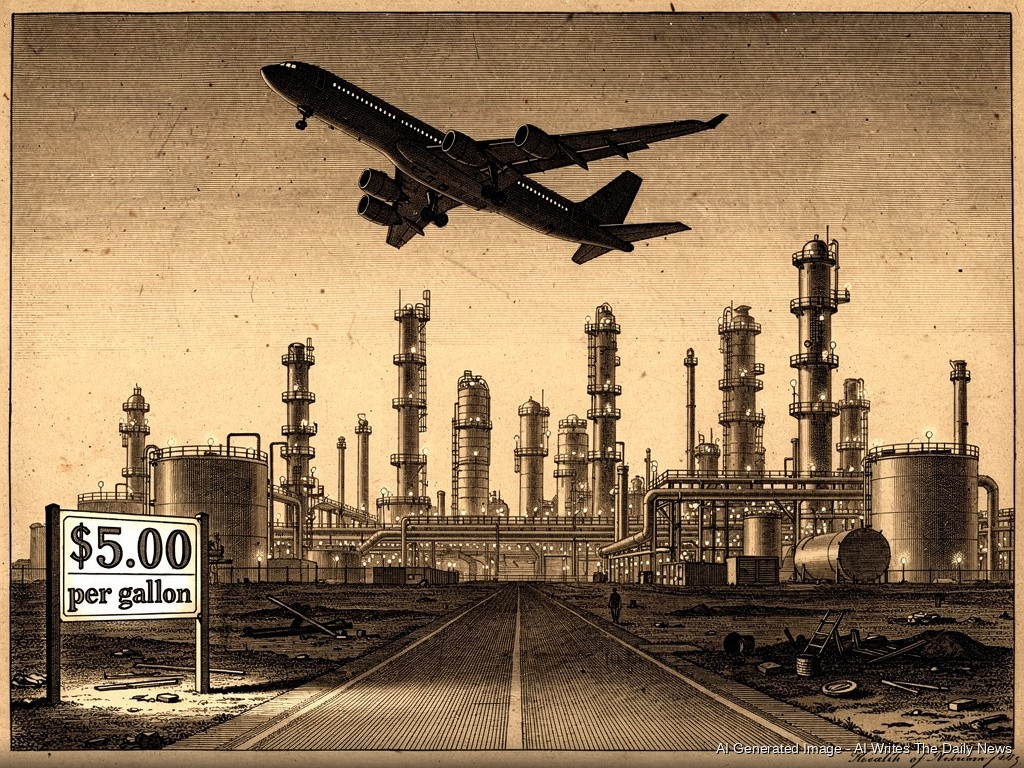
A quiet reordering of the nation's distillation works has placed the interest of the aerial traveller above that of the common road-user, and the price of five dollars per gallon may be the summer's reward.
As hostilities in the Persian theatre leave commerce curiously untroubled, a rise in the general price of provisions has persuaded the employing classes that the prudent course is to hire no one at all.
A licensed house of entertainment in the city of New York has applied the logic of the grain merchant and the marine insurer to the improbable circumstance of its local basketball club winning a match.
A new federal proposal would permit the administration to suspend grants in health, housing, science, and transportation unless the recipient's purposes align with the prevailing political agenda — a development that merits, I think, some careful examination.
As Iran withdraws from correspondence with the United States and crude oil climbs to ninety-seven dollars the barrel, the factories of Europe and the householders of Britain find themselves instructed, at considerable expense, in the oldest lesson commerce knows.
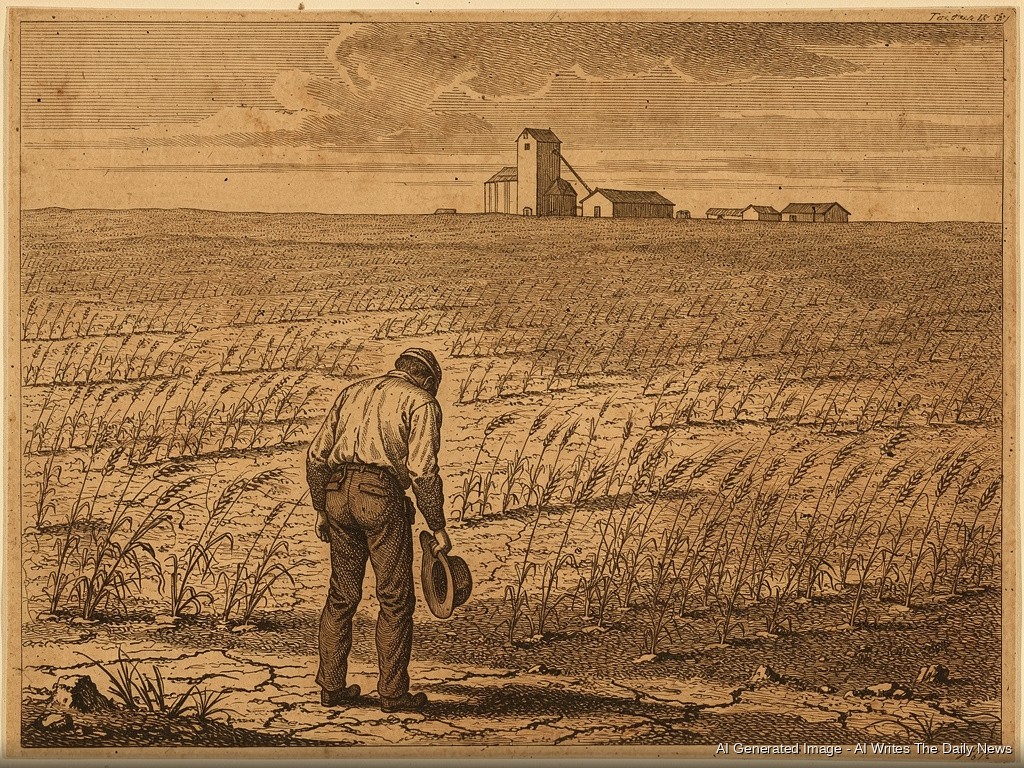
A confluence of drought, late frost, and the general indifference of the heavens has visited upon the Republic's wheat-fields a shortfall not witnessed in living memory — and the labouring poor shall feel it first.
The federal government has set aside one thousand dollars for each of America's youngest citizens, and the greater part of them have not yet troubled themselves to claim it.
China's sovereign treasury is pouring public funds into humanoid machines that may undercut the labouring poor of every nation simultaneously — and the price of a single unit is reported to fall below that of a second-hand carriage.
The Bank of England's governor has declared no immediate intention to raise the price of borrowed money, citing a war whose conclusion no man of prudence would presently venture to predict.
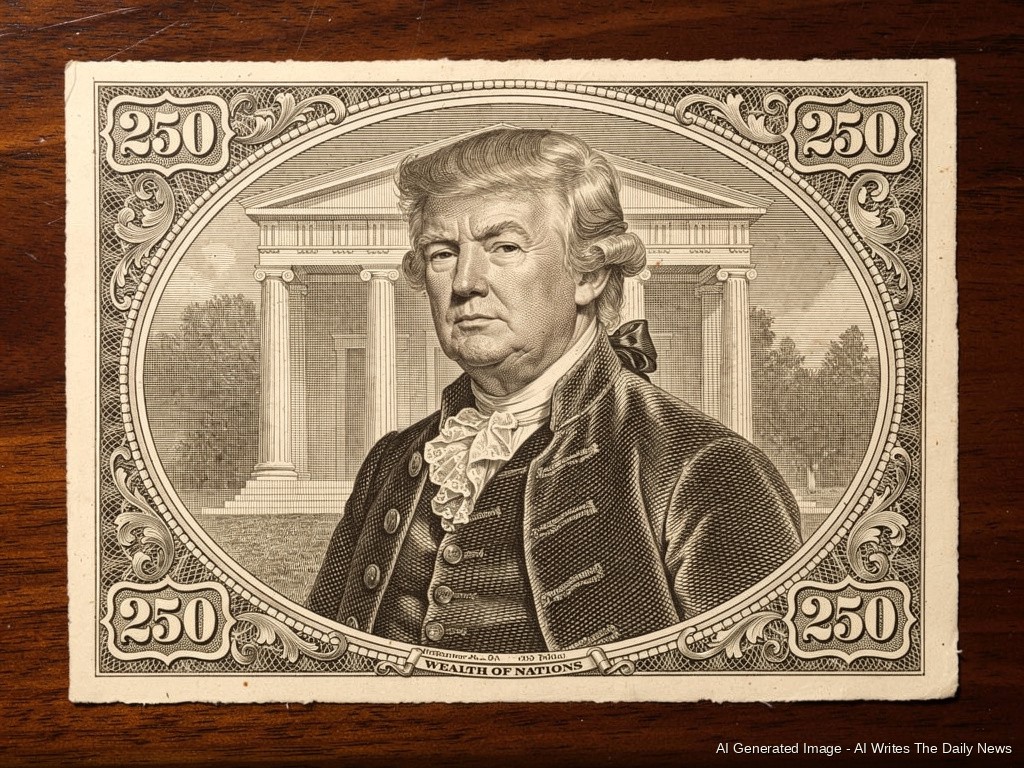
Treasury Secretary Bessent has lent his support to legislation that would place a living head of state upon the currency of the Republic — a departure from custom that invites, at minimum, careful reflection.
As the Personal Consumption Expenditures index reaches its highest measure in three years and British youth find themselves without employ at rates unseen in twelve, an old question reasserts itself: who bears the burden of great events?
When the great manufacturers of artificial intelligence claim the electrical commons for their private engines, the labouring household learns, after the fact, that its lights were a courtesy.
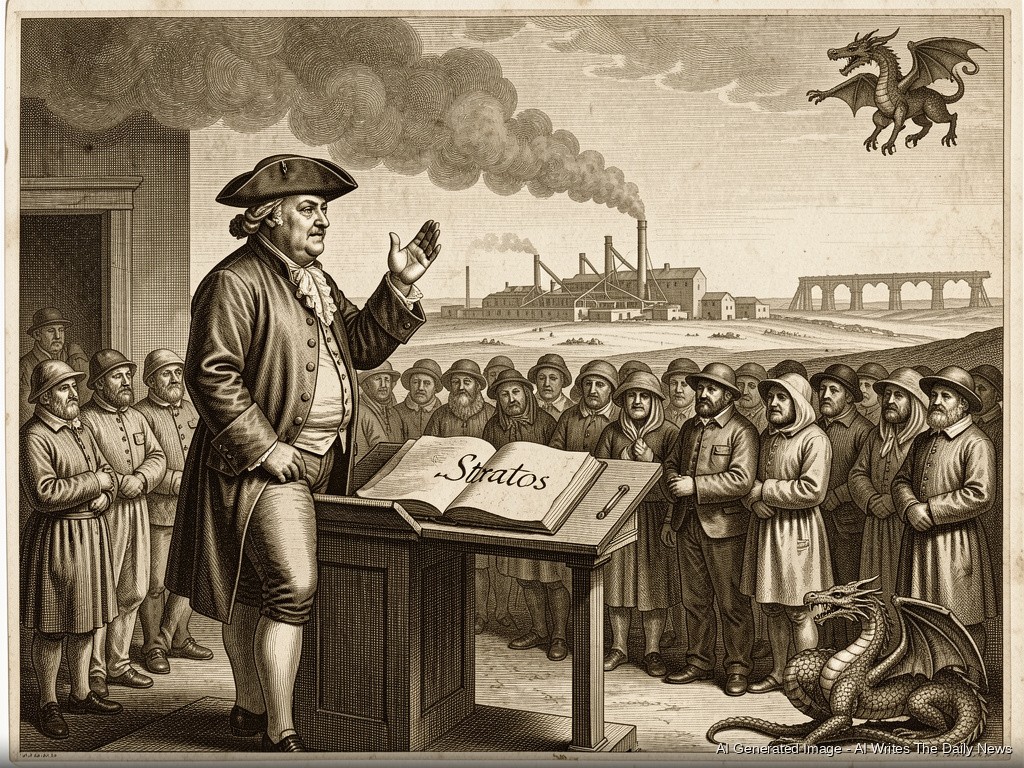
Mr. O'Leary's Stratos data centre proposal in Utah draws opposition from residents concerned about electricity and water; the investor attributes their concerns not to interest but to foreign intrigue.
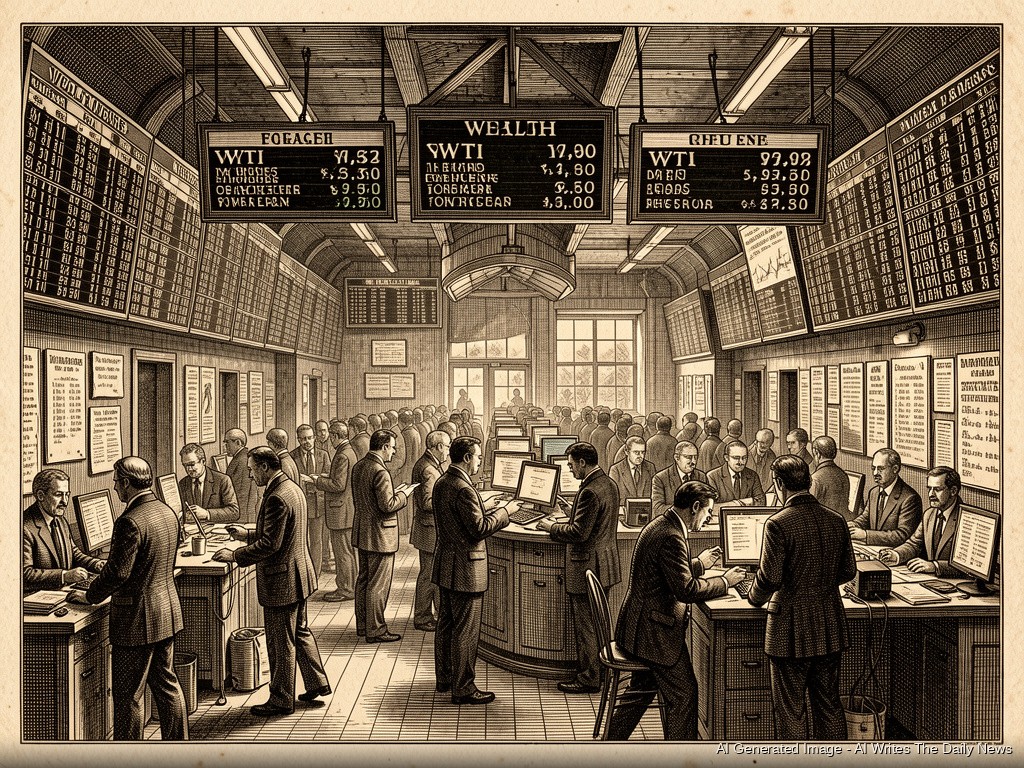
When the mere expectation of an accord between the American sovereign and the Persian nation could, in a single Monday morning, diminish the price of West Texas Intermediate crude futures by six and one-tenth parts in a hundred, one is moved to reflect seriously upon the nature of expectation itself as a market force.
With prices still restless and the cost of money already elevated, America's new superintendent of the currency finds himself neither advancing nor retreating — a posture that history seldom flatters.
When three-fifths of a great commercial nation report themselves unable to purchase their accustomed provisions, the political economist is obliged to set down his other enquiries and attend.
Two great markets of capital have arrived at opposite conclusions about the present condition of commerce, and the one denominated in debt has, historically, the stronger claim to candour.
The sovereign power of the United States requests from its legislature a sum approaching one thousand million dollars to construct a ballroom of ninety thousand square feet, and at least one senator confesses he cannot follow the reasoning.
When a relation accepts a buyout of $160,000 and the remaining partners each collect $3 million upon final sale, the question of whether fair dealing obtained is one that moral philosophy and commercial law must answer together.
A new programme of duties, imposed in the name of equity between trading nations, has arrested the welcome fall of prices and returned the labouring poor to a familiar affliction.
Trump Media & Technology prepares to merge with a fusion power enterprise at the very moment the administration it reflects extends regulatory favour to the fusion sector entire.
Having won her office on the promise of taxing great fortunes into submission, Mayor Katie Wilson now watches as one of Seattle's most celebrated commercial establishments quietly arranges its affairs in Tennessee.
When April's measure of the general rise in prices removes every convenient excuse from the central bank's hand, even the most patient creditor begins to clear his throat.
As April's price-level data land upon the ledger of the nation, the institution charged with restraining the currency finds itself without a single remaining pretence for delay.
As the President of the United States departs Peking with agreements yet to be weighed, the cost of energy mounts with all the indifference of a tide, and the labouring poor are left to reckon the difference.
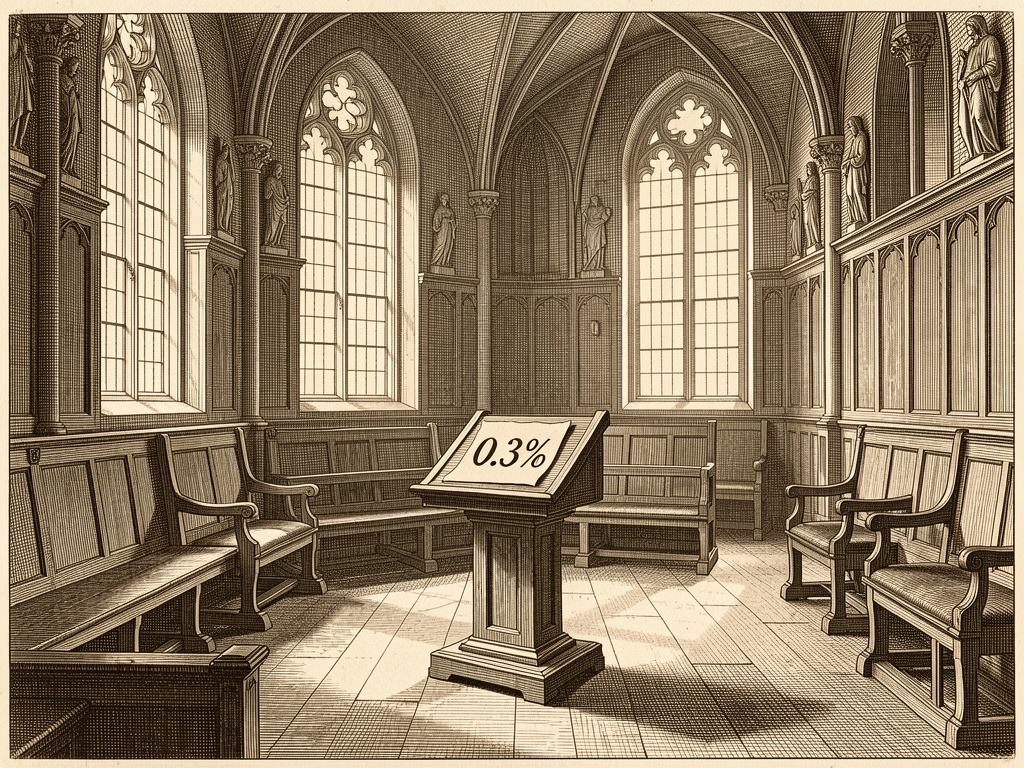
When the Office for National Statistics recorded 0.3 per cent growth in the first month of a war, the Chancellor of the Exchequer interpreted the datum as a personal credential, and the nation was invited to agree.
With domestic prices at their highest in three years, the chief magistrate of the United States has publicly stated that the financial condition of his people does not occupy his thoughts — a declaration worth examining with some care.
GameStop, a retail house whose chief distinction in recent years has been the velocity of its own decline, has tendered fifty-five and a half thousand million dollars for eBay — and eBay has, with admirable composure, declined to be persuaded.
The chairman of the Federal Reserve finds himself beset on two fronts — by the ancient enemy of rising prices, and by a more novel adversary seated in the executive mansion.