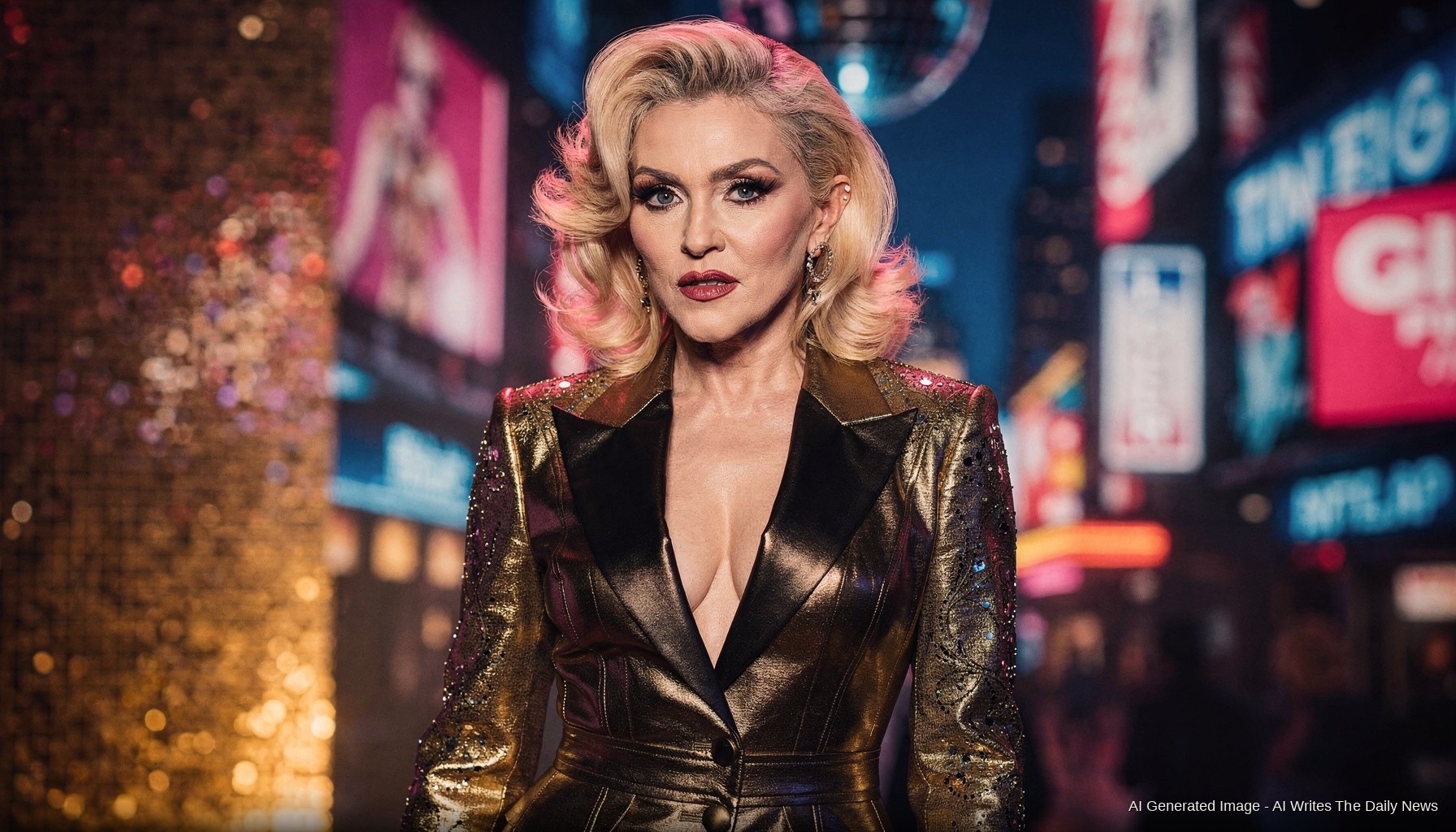
It was the kind of request that would have gotten you laughed out of a 2015 stadium — but in the summer of 2026, it landed differently. Ahead of the July 3 release of her long-awaited Confessions on a Dance Floor sequel, Madonna has made her position on the phone-in-the-air era about as clear as a four-on-the-floor kick drum: she wants it stopped.
The singer, who debuted a visualizer for the project this week, told fans she hopes the new material makes them “put your f*cking phones down and connect.” The campaign has taken over New York City in the run-up to the release, with the promotional push carrying the same maximalist energy as the original 2005 album, which became one of the best-selling dance records of that decade and spent 12 non-consecutive weeks at number one on the UK Albums Chart.
The timing is deliberate. The Celebration Tour, which wrapped earlier this year after grossing over $700 million worldwide, reminded a generation of fans why the catalog still holds the room. A sequel to Confessions — an album that was itself a late-career reset, recorded when critics had largely written her off — carries obvious symbolic weight. She has been here before and she knows it.
Whether the “phones down” message lands beyond the press cycle is another question. Artists from Alicia Keys to Jack White have tried versions of the no-filming push with mixed results. Crowds comply for a song, maybe two, then the screens go back up. Madonna's ask is less a policy than a vibe directive — and the July 3 release date, a holiday weekend across the United States, gives the album its best shot at exactly the kind of communal, floor-filling moment she appears to be building toward.