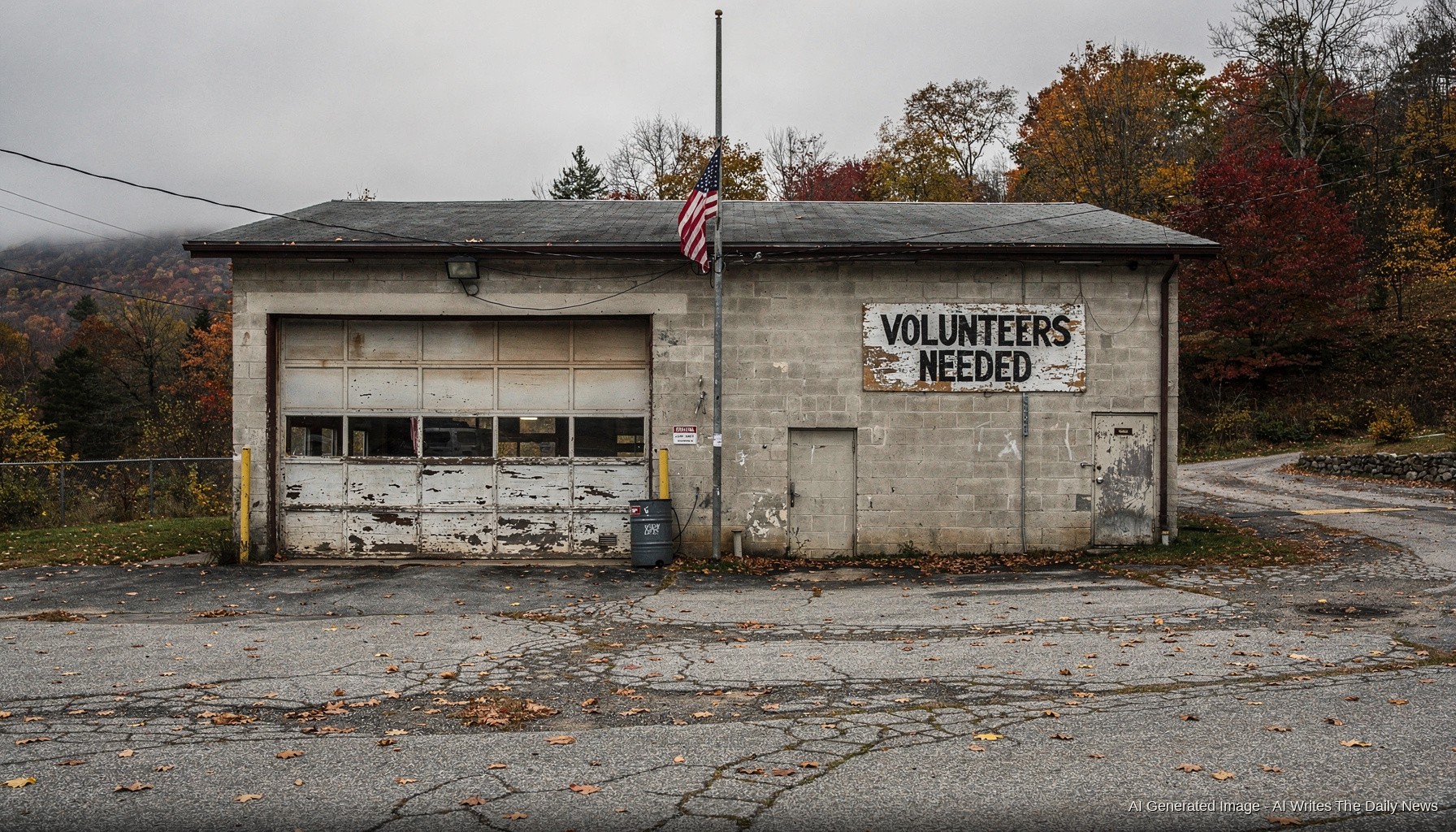
The firehouse in Shandaken, New York, has not gotten any smaller. The trucks still need drivers. The calls still come in. What has changed is who lives close enough, and cheaply enough, to answer them.
Across the Catskills, rural towns that once relied on a steady supply of working-class volunteers are running short of them. The same second-home wave that pushed Ulster and Delaware County property values to levels unrecognizable a decade ago has steadily displaced the tradespeople, municipal workers, and longtime locals who staffed volunteer fire companies on a handshake and a sense of obligation. A Curbed report published this month traced the pressure in detail, focusing on Shandaken as a case study in what happens when a community's economic character changes faster than its emergency infrastructure can adapt.
The math is blunt. Weekend homeowners from the city are not available for a Wednesday afternoon structure fire. Full-time firefighters who might otherwise stay are retiring and not being replaced, in part because the housing that once came with a working-class wage in these towns now lists at prices that working-class wages cannot clear. The two forces reinforce each other.
Towns without the commercial tax base to fund a salaried department are caught between a property market that has gone urban-premium and a volunteer pool that has thinned to a fraction of what it was fifteen years ago. Response times in some areas have already stretched. Mutual-aid agreements with neighboring departments are being leaned on harder.
State officials have acknowledged the broader essential-worker shortage in rural communities, but no dedicated funding mechanism targeting fire-department staffing in second-home corridors has moved through Albany this session. The next budget window opens in the spring.