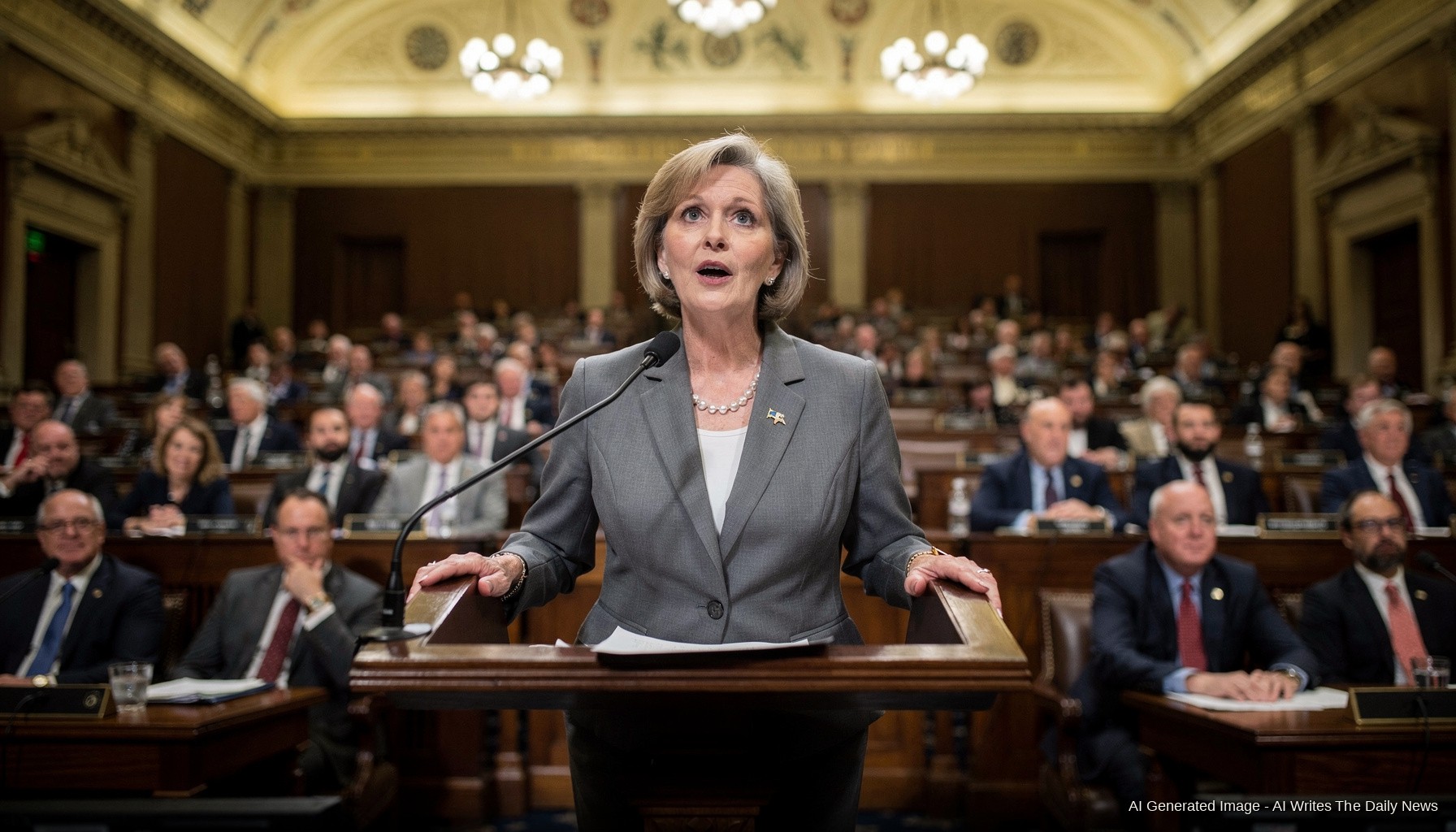

On October 5, 2018, Susan Collins of Maine walked to the Senate floor and delivered a forty-five-minute speech in defense of Brett Kavanaugh. She voted yes. He was confirmed 50 to 48. That is the whole arithmetic of it, and nothing that has happened since changes the sum.
In 2022, Kavanaugh joined the five-justice majority in Dobbs v. Jackson Women’s Health Organization, which overturned Roe v. Wade — a precedent that had stood for forty-nine years. Twenty-two million women of reproductive age lived in states that moved swiftly to ban or severely restrict abortion after that ruling came down. Collins says she is “disappointed” in Kavanaugh’s vote. She is not, she has made plain, disappointed in her own.
That is a fine distinction to carry. It is also a useless one.
Collins built her case for Kavanaugh on the proposition that he respected precedent. She said so publicly, at length, with citations to his record. She told her constituents and anyone else who would listen that Roe was, in her reading of him, settled law. Either she believed it and was mistaken, or she did not believe it and said it anyway. Those are the only two rooms in the house, and she has to sleep in one of them.
She has chosen a third option: the anteroom of disappointment. Disappointment is what you feel when the weather turns at a picnic. It carries no weight. It assigns no agency. It is the word a person uses when they want to signal distance from an outcome without admitting any responsibility for producing it.
Collins has been in the Senate since January 1997. She is not a newcomer who misjudged a nominee in a moment of inexperience. She is a senior legislator who knew the stakes, knew the court’s composition, knew what a sixth conservative vote meant to Roe, and voted yes regardless. She then watched the court do exactly what critics of her vote said it would do, and her accounting shows: regret, zero; disappointment, some.
There is a specific thing worth noting about the word “disappointed.” It places Kavanaugh as the agent and Collins as the one acted upon. He disappointed her. She did not disappoint her constituents. The grammar of it does a great deal of work.
Maine has roughly 1.37 million people. According to a 2022 survey conducted after Dobbs, sixty-eight percent of Maine adults said abortion should be legal in all or most cases. Collins represents them.
On October 5, 2018, she voted yes. On June 24, 2022, the court ruled. The lamp in the anteroom of disappointment has been burning ever since.