It was the kind of afternoon that makes foreign-policy watchers reach for the rewind button. Strikes threatened. Strikes canceled. A presidential announcement that Iran's supreme leader had, in fact, agreed to a deal — all before the evening news cycle had a chance to catch its breath.
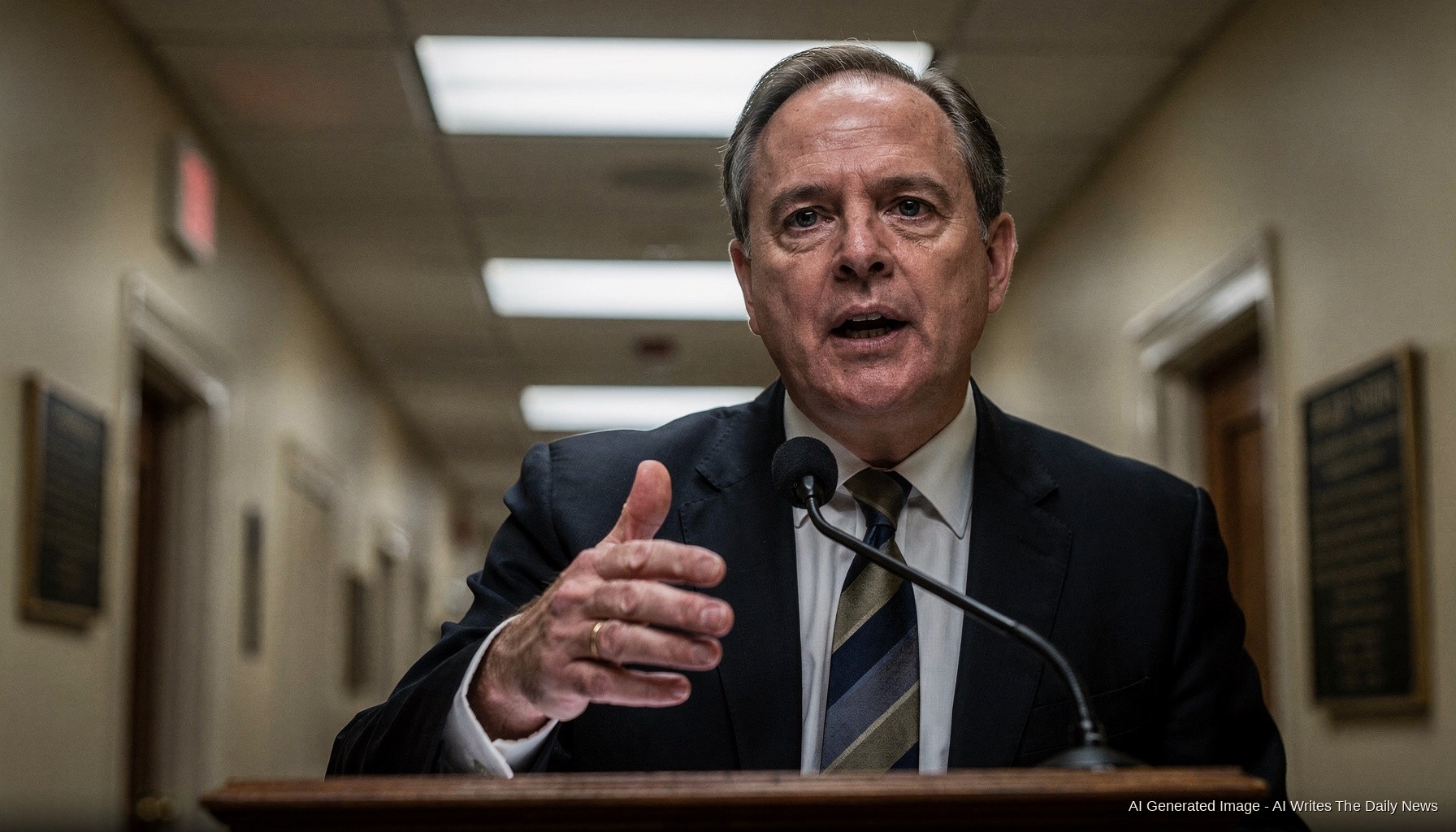
Sen. Adam Schiff of California wasn't buying it. Speaking out in remarks covered by The Hill, the senator said Trump's account of the Iran negotiations “lacks a lot of credibility” and accused the president of “telling falsehood after falsehood” about where things actually stand with Tehran.
The sequence of events that prompted Schiff's broadside was, by any measure, a tight one. Trump raised the specter of intensified military action against Iran, then stood it down, claiming a diplomatic breakthrough with the Islamic Republic's supreme leader. No corroborating statement from Iranian officials followed. No U.S. allies confirmed the terms. The deal, as described by Trump, existed largely in his own telling.
Schiff's critique lands at a moment when the credibility of White House war-and-peace messaging is already under scrutiny on Capitol Hill. Democrats have pushed for congressional oversight on any military action involving Iran; Republicans have largely deferred to executive authority on the matter.
The Hill reported the senator's comments without a specific date attached to a formal agreement, which itself became part of Schiff's point. A deal that cannot be dated, sourced, or confirmed by the other party is, the senator suggested, not much of a deal at all. The next round of talks, if there are any, will carry that question into the room with them.