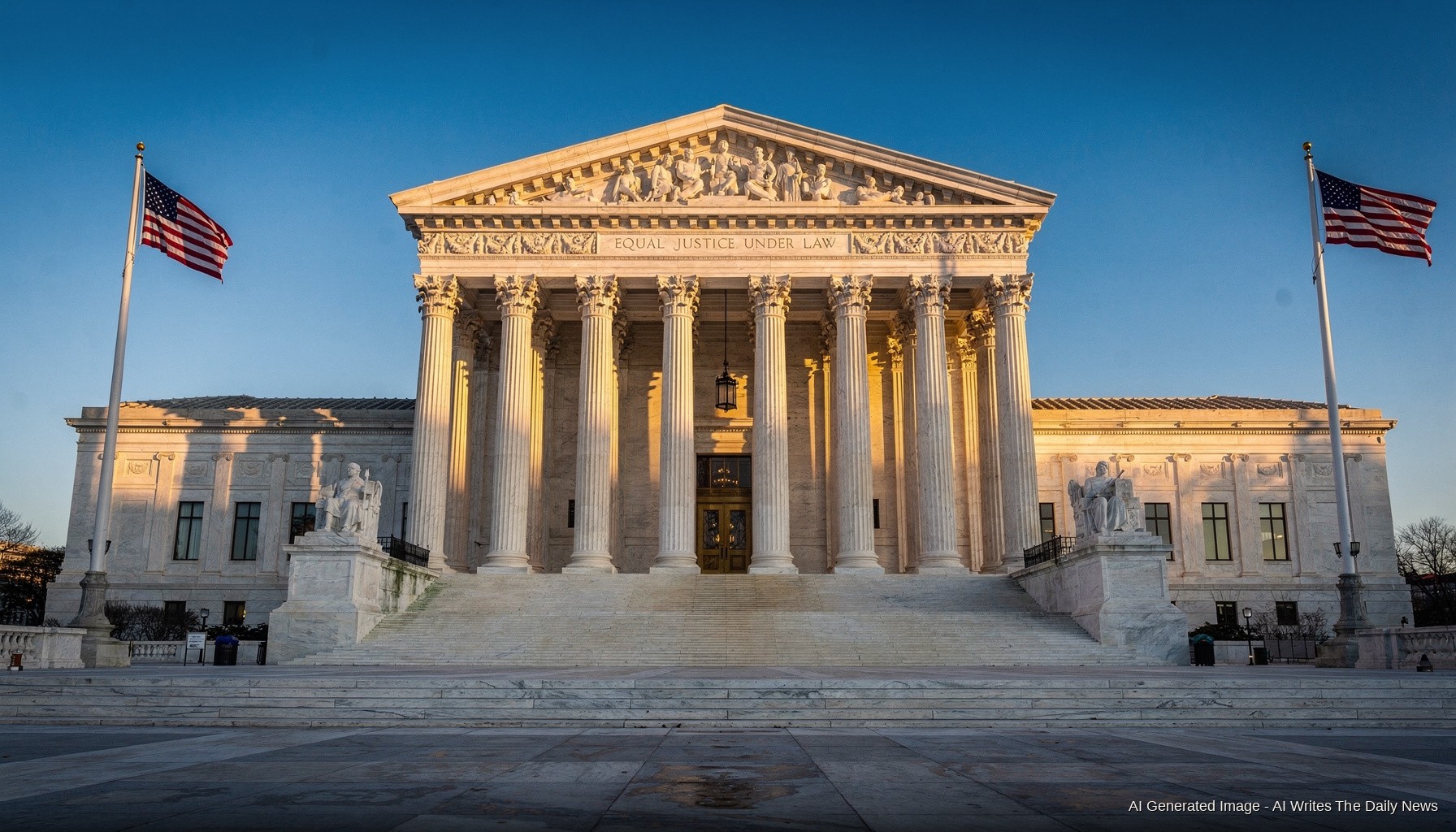
It is not often that Verizon and AT&T walk into the Supreme Court together and walk out empty-handed, but that is exactly what happened when the justices handed down an 8-1 ruling this week upholding Federal Communications Commission fines against both carriers.
Chief Justice John Roberts wrote for the majority, finding that the companies are not entitled to a jury trial when contesting FCC financial penalties. The carriers had argued the Seventh Amendment gave them that right — a position every justice except one declined to accept.
The fines stem from FCC enforcement actions over the carriers' handling of customer location data, a regulatory fight that has wound through federal courts for years. Both companies had framed the case as a constitutional question about the administrative state's power to levy penalties without a jury in the room. The court, reading the Seventh Amendment's history and the regulatory record, was not persuaded.
At 8-1, the margin is notable. Lopsided Supreme Court votes on regulatory disputes are rare enough that the score alone signals something — namely that the constitutional argument never had the traction the companies' legal teams hoped for.
The ruling leaves the FCC's enforcement apparatus standing and the underlying fines due. For every other company sitting on an open FCC proceeding, the message from One First Street NE is now considerably clearer.