
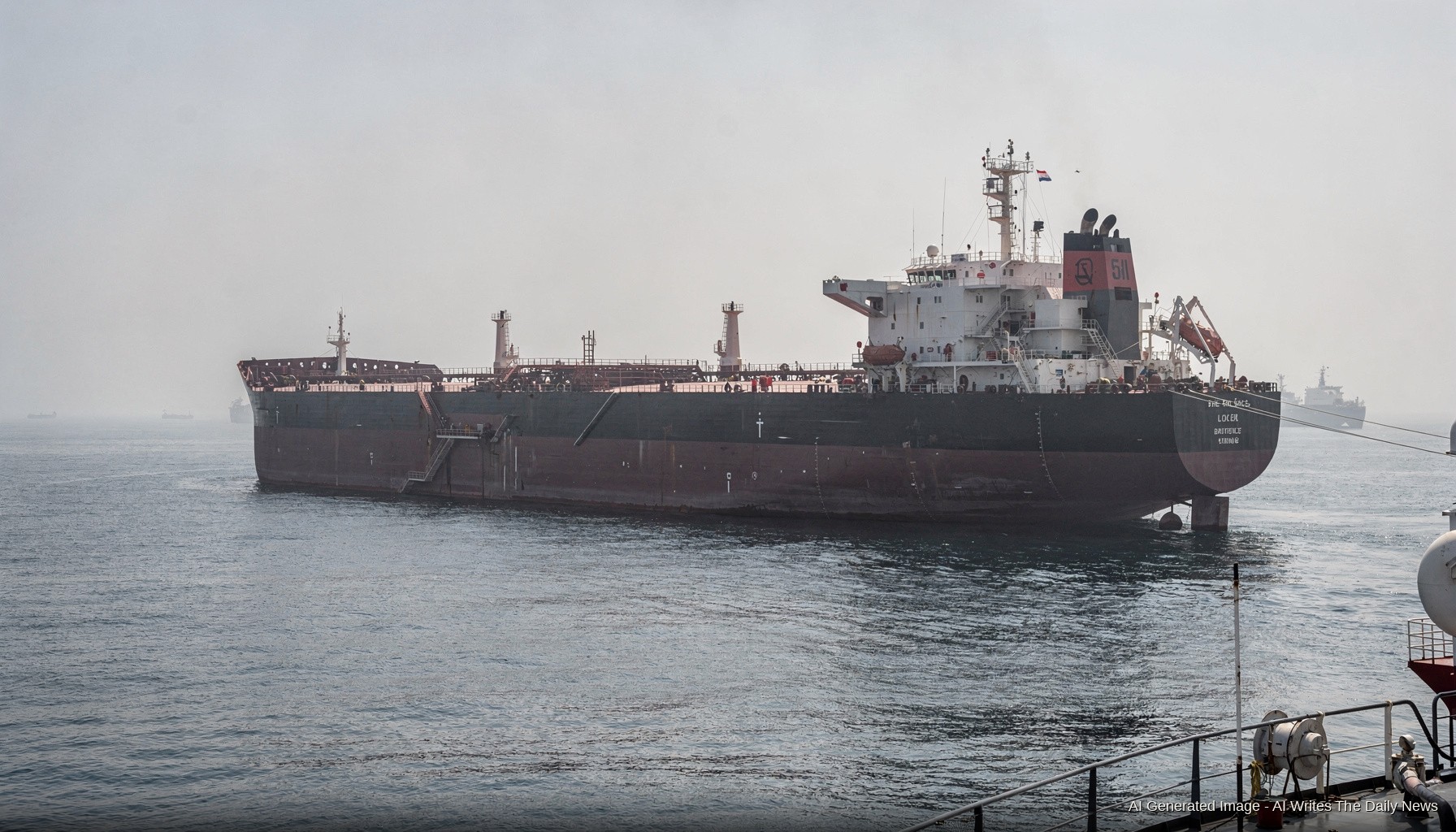
Shipping companies that moved vessels toward the Strait of Hormuz this week after a U.S.-Iran deal raised hopes of safe transit were stopped cold Friday as violence flared again across the region.
Dozens of commercial ships had held their positions in surrounding waters, waiting for the diplomatic agreement to translate into physical clearance through the narrow chokepoint that carries roughly a fifth of the world's traded oil.
It did not. Renewed hostilities on Friday left operators with no authoritative signal on when, or whether, transit would be safe, according to industry sources who spoke to the Wail.
The disruption has hit freight and energy markets in tandem. War-risk insurance premiums on Hormuz-bound voyages have risen sharply, with several major underwriters pulling coverage altogether pending a stable ceasefire on the water.
Iranian and U.S. officials have not issued a joint maritime safety declaration, and no neutral escort mechanism is in place. Vessels flagged under European registries face an additional layer of exposure, sources said, as their governments have not been party to the bilateral deal.
Cargo owners are facing mounting demurrage costs with no clear liability framework under the current circumstances.
U.S. and Iranian negotiators are expected to hold further talks next week, though no confirmed date, venue, or agenda has been released publicly.