
It is not yet the end of June and western Europe is already on its second round. The terraces emptied early this week — not because the season is over, but because standing outside for more than ten minutes has become genuinely dangerous. Forecasters are tracking temperatures expected to exceed 40°C across France, Spain, and neighboring countries, with more than half of the French population now sitting under a severe weather warning issued by national authorities.
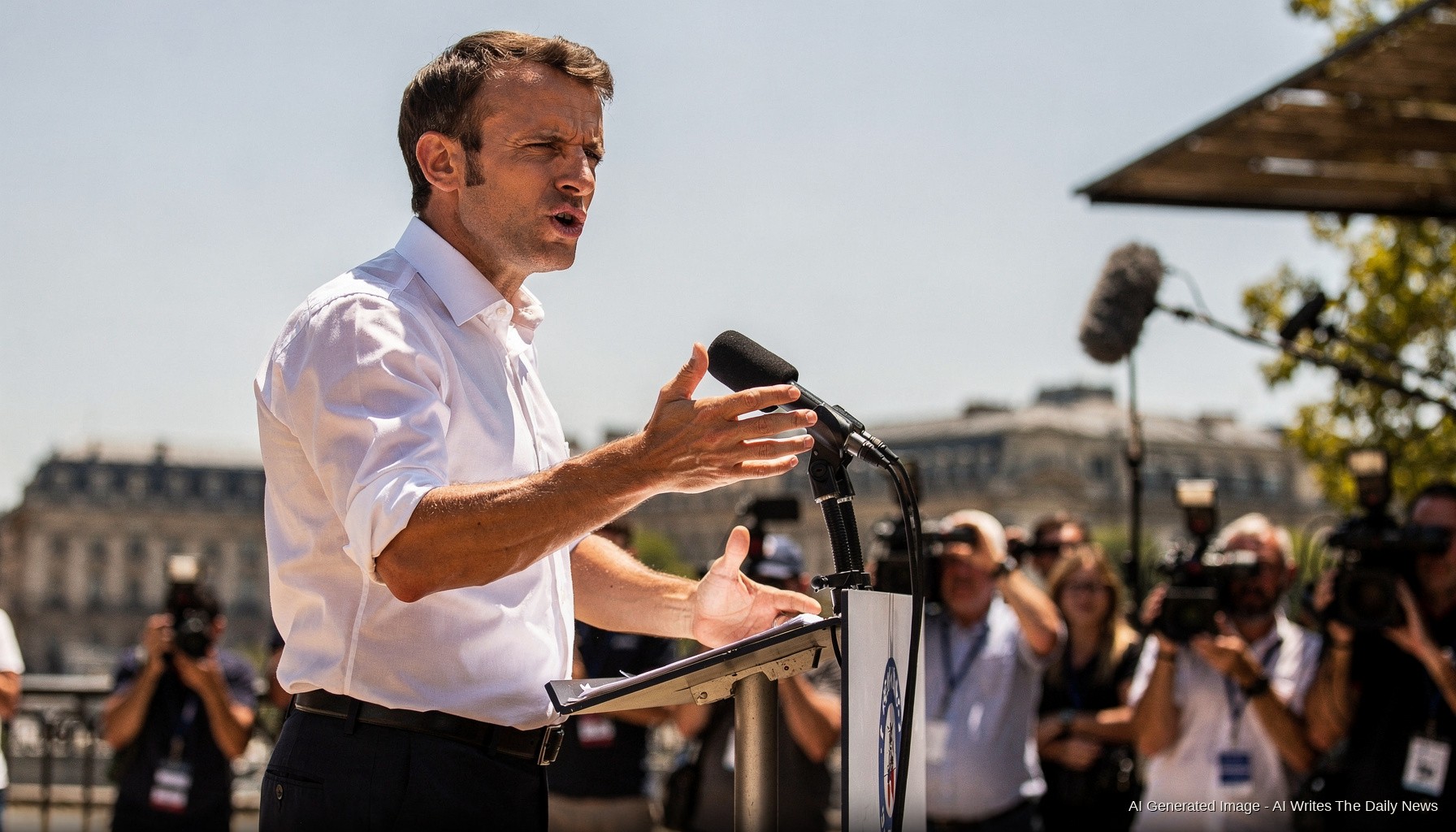
President Emmanuel Macron moved quickly to put his name to the moment, calling publicly for vigilance and urging citizens not to treat the heat as a backdrop to the summer. The statement landed on the same week schoolchildren finished their final exams, retirees opened their shutters to already-warm mornings, and city authorities scrambled to extend the hours of public cooling centers that were, by some accounts, still being restocked after the first wave.
That first heat event — earlier in the year and significant enough to generate its own round of official warnings — is what makes this second one harder to absorb. The rhythm of a bad summer used to mean one brutal week somewhere in August. Two extreme events before the calendar even turns to July reshapes that calculation in ways that emergency planners across the continent are now working through in real time.
Spain, Portugal, and parts of Germany are also in the forecast band. The weekend outlook, as of Thursday, was not offering much relief. Meteorologists were pointing to next week as the earliest plausible window for temperatures to ease below the critical thresholds — and even that projection carried caveats.