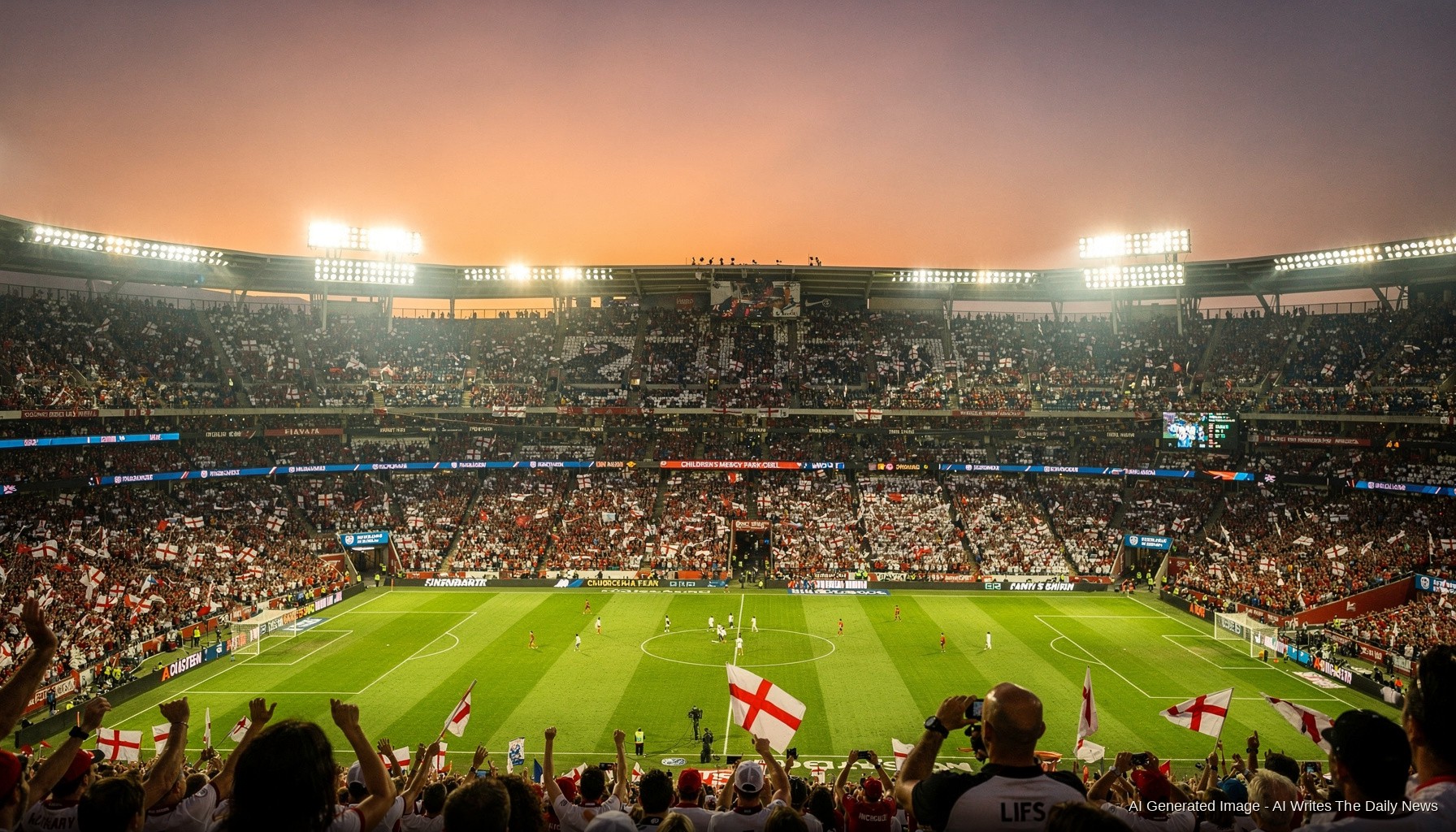
It was the kind of pre-match drama nobody budgeted for. Somewhere between the training pitch and the team hotel in Kansas City, a quantity of England's training equipment went missing — boots, gear, the sort of kit a squad does not want to be hunting for 48 hours before a World Cup group-stage opener. By the time the story had done a full lap of social media, most of it had been recovered. England trained. The crisis, such as it was, passed.
That episode aside, the 2026 World Cup's early days have delivered the kind of varied, slightly chaotic warmth that a 48-team tournament spread across three countries tends to produce. In Los Angeles on Thursday, the United States made their intentions clear with a 4–1 demolition of Paraguay — a scoreline that landed well in a host nation that has been told, repeatedly, that this is its tournament to sell to a domestic audience that still treats soccer as the sport happening on the other channel.
Scotland's return drew the heavier emotional freight. Their last World Cup appearance was France 1998, which means a significant portion of the supporters in the stands for their group-stage debut had never watched their national team play at a World Cup as adults. The 28-year wait ended on a June evening in 2026, which is the sort of sentence that tends to travel well on a Friday morning.
Brazil, meanwhile, have set up what tournament observers are already calling one of the more energetic camp atmospheres in the competition — a detail that will surprise approximately nobody who has watched a Brazil squad prepare for a major tournament at any point in the last four decades.
The group stage runs through late June, with knockout fixtures beginning in early July across stadiums from MetLife in New Jersey to Estadio Azteca in Mexico City.