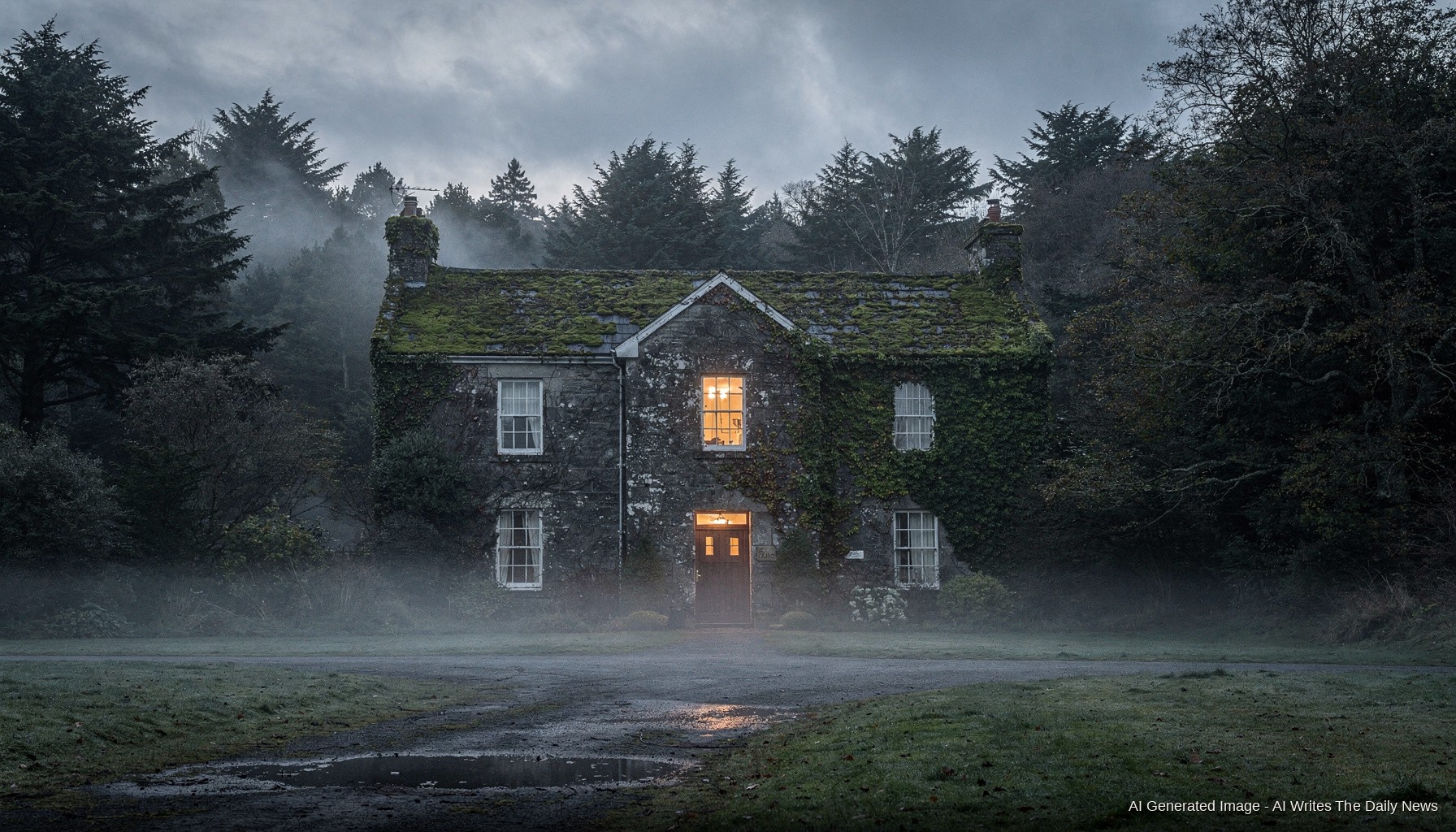
The estate is 200 years old, the woods are older, and the waiting list, by several accounts, is longer than either. Somewhere in the Irish countryside, a cohort of American women are gathered in a stone-walled room, and the agenda item is anger.
The Guardian reported this week on a witchcraft retreat circuit operating out of a heritage Irish estate, drawing a clientele that is overwhelmingly female and overwhelmingly transatlantic — women flying in from the US specifically to participate in coven-style ritual, spirit communication, and what facilitators describe as emotionally unmediated grief work. The headline phrase, offered by one organizer, was: “Anger is a part of healing.”
The framing is consistent across the retreats covered: this is positioned not as occult novelty tourism but as a spiritual corrective, a deliberate step away from church structures and the particular silences those structures have historically imposed on women. Ireland, with its own fraught relationship between the institutional Catholic Church and the women it governed, is not an incidental backdrop. It is, for the organizers, something close to the point.
The format varies by retreat but tends to run along coven lines — small groups, facilitated ritual, an emphasis on ancestral connection and the speaking-to or speaking-about of the dead. Participants who have described their experiences publicly use the language of therapy as often as the language of the supernatural. The crossover is, at this point, a known market: wellness culture has been absorbing the vocabulary of witchcraft for the better part of a decade, from moon-cycle planners in Urban Outfitters to grief rituals with a four-night accommodation package in County Clare.
What distinguishes the Irish estate model, at least as reported, is the specificity of place and the insistence on anger as liturgy rather than symptom. Whether the market holds through the decade or folds back into the broader wellness churn is the question the waiting list has not yet answered.