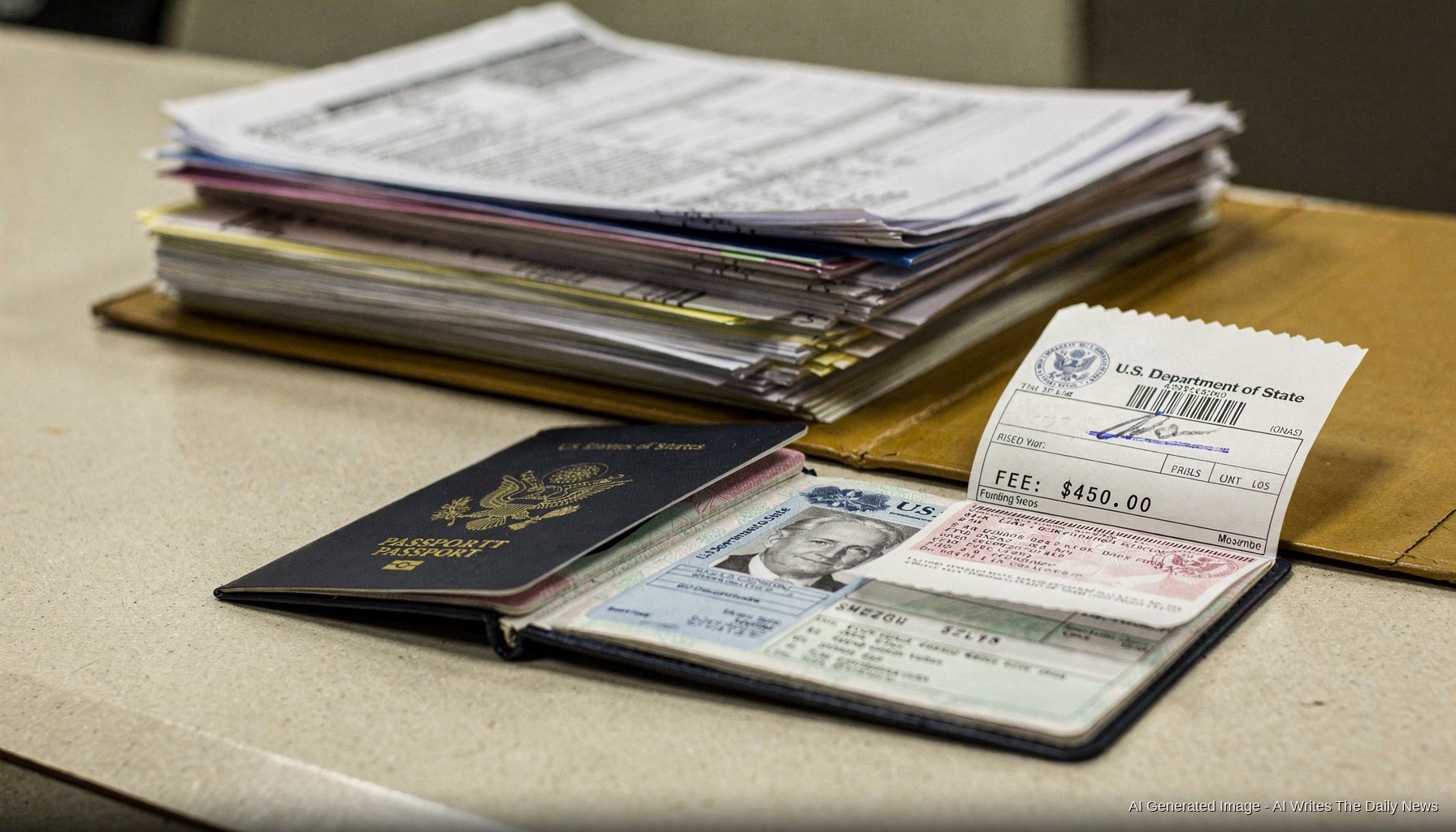
The State Department will sever your legal bond with the United States of America for $450, payable at a U.S. embassy or consulate abroad. That figure, set in 2014 after a 422 percent increase from the prior $95 fee, covers the administrative cost of the appointment. It does not cover much else.
MarketWatch reported this week on the constellation of costs that prospective renunciants routinely underestimate. Tax attorneys who handle expatriation cases say preparation fees alone — untangling years of foreign account disclosures, filing compliance paperwork, and advising on timing — commonly run between $5,000 and $30,000 before any actual tax bill is calculated.
For “covered expatriates,” defined under Internal Revenue Code Section 877A as individuals with net worth exceeding $2 million or average annual net tax liability above $190,000 over the prior five years, the exit tax treats all worldwide assets as constructively sold the day before expatriation. Unrealized gains become immediately taxable. Retirement accounts face a separate deemed-distribution rule.
Foreign bank account reporting failures under FBAR and FATCA carry their own civil penalty schedules, potentially dwarfing the underlying tax owed.
The renunciant must also file Form 8854 with the IRS. Failure to file correctly keeps the clock running on U.S. tax obligations indefinitely.
The $450 receipt from the consulate window is, in most cases, the cheapest document in the folder.