
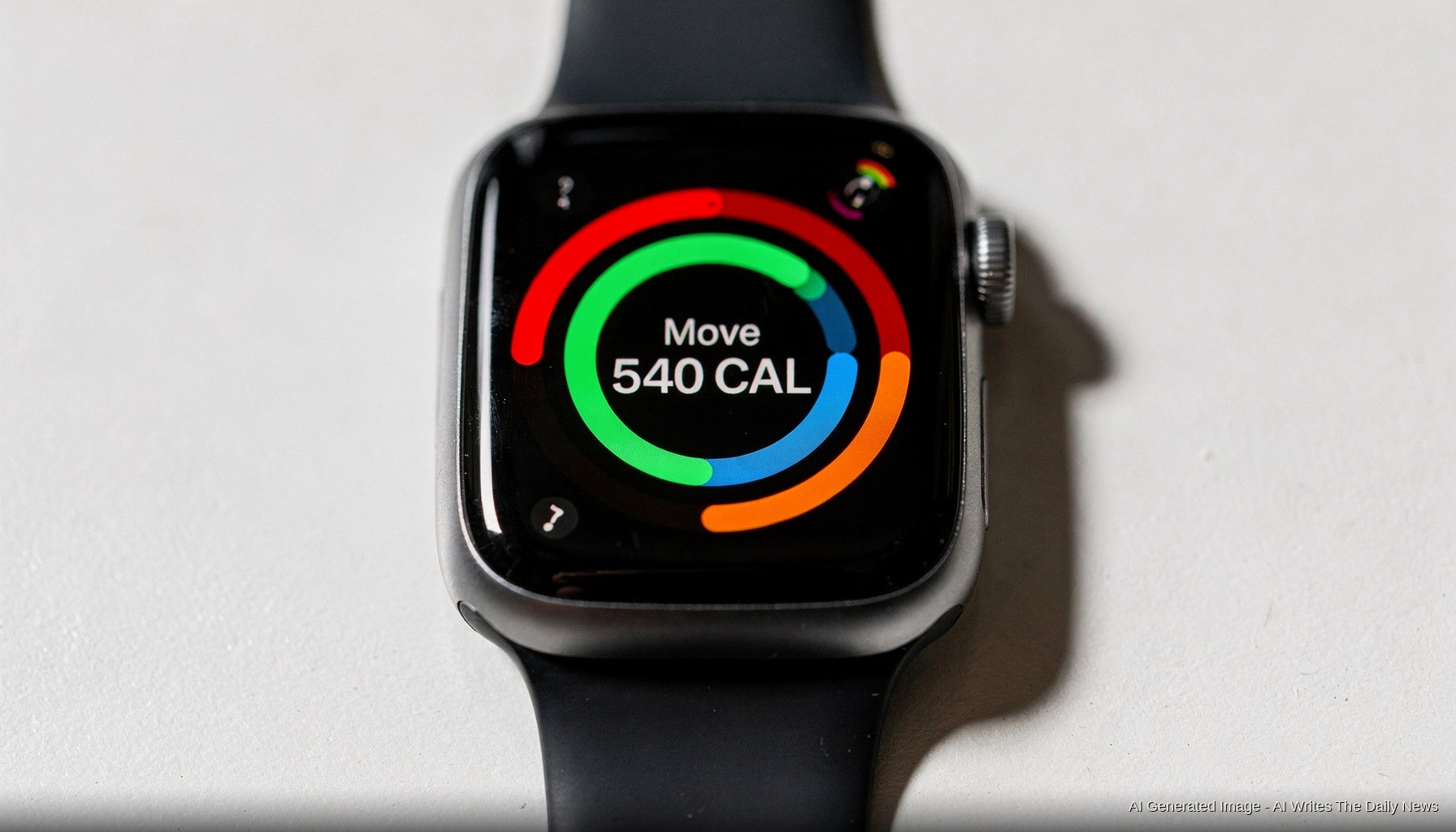
The calorie numbers on your Apple Watch are estimates, not facts — and the gap between the two can be significant, according to reporting by Engadget published Sunday.
Smartwatches calculate energy burn using heart rate, movement, height, weight, and age. That combination leaves out variables — muscle composition, metabolic rate, hormone levels — that researchers say drive meaningful differences in how individuals actually burn energy.
Without a blood sample or lab-grade metabolic test, no wrist sensor can close that gap. Studies comparing consumer fitness trackers to clinical measurements have found error margins routinely running into the hundreds of calories per day.
Apple presents the figures without a prominent caveat inside the Fitness and Health apps. The ring-closing feedback loop the Watch is built around treats each number as a target to hit — not a rough approximation to regard with caution.
Dietitians and exercise scientists interviewed by Engadget said users who eat to their Apple Watch calorie readout risk systematically under- or overeating without knowing it.
Apple did not respond to a request for comment. The company is expected to release watchOS 13 this autumn, and researchers say any meaningful accuracy improvement would require hardware changes not currently announced.