
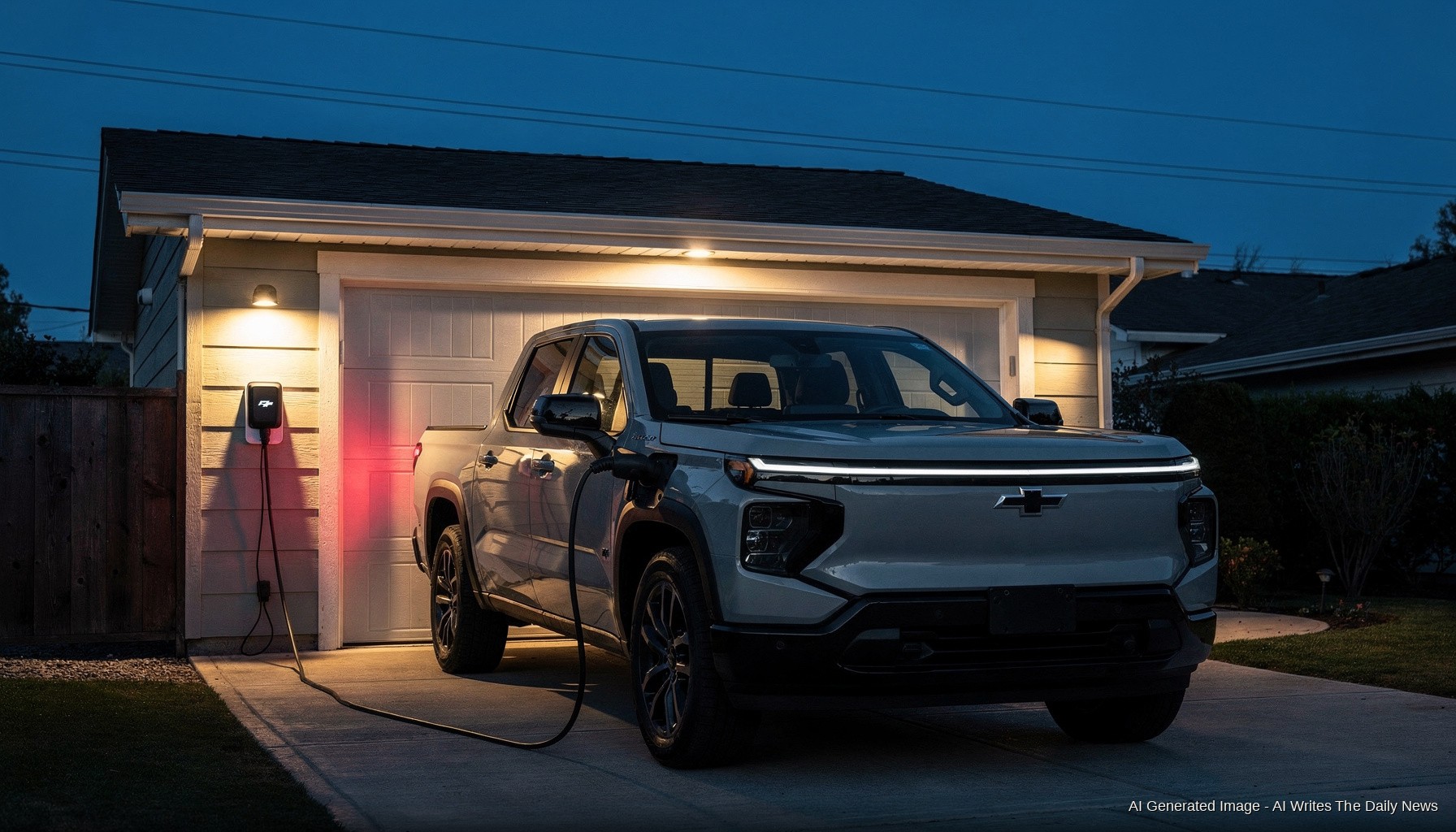
Most mornings it just sits there — in the garage, in the driveway, maybe in the apartment-complex lot — plugged in and doing nothing in particular. But that idle electric vehicle is starting to look a lot less like a car and a lot more like a small power station, and the people who run America's grid have noticed.
Bidirectional charging, the technology that lets an EV send electricity back out instead of just pulling it in, has been a footnote in automotive press releases for years. It is becoming something closer to a headline. As Wired reported this week, a widening list of vehicles can now function as rolling battery reserves — drawing from the grid when power is cheap and quiet, then returning it when demand spikes or the lines go down.
The timing is not incidental. The U.S. grid is carrying more weight than it was designed for. A decade of extreme-weather events, the surging electricity appetite of AI data centers, and decades of deferred infrastructure investment have left utilities scrambling for electrons on short notice. A parked Ford F-150 Lightning or a Nissan Leaf with the right home charger installed represents, in rough terms, enough stored capacity to run an average American home for a day or two. Multiply that across a neighborhood, and the arithmetic changes quickly.
A handful of utility programs are already moving. Some offer bill credits; others pay modest rates for grid-access windows. The friction points — standardized hardware connectors, software handshakes between automakers and utilities, insurance questions — are real but narrowing. Ford's Intelligent Backup Power system and similar features from other manufacturers have begun showing up in mainstream trim levels, not just top-of-the-range configurations.
The next test will be summer 2026's peak-demand window, which grid operators in California and Texas are already watching closely.