
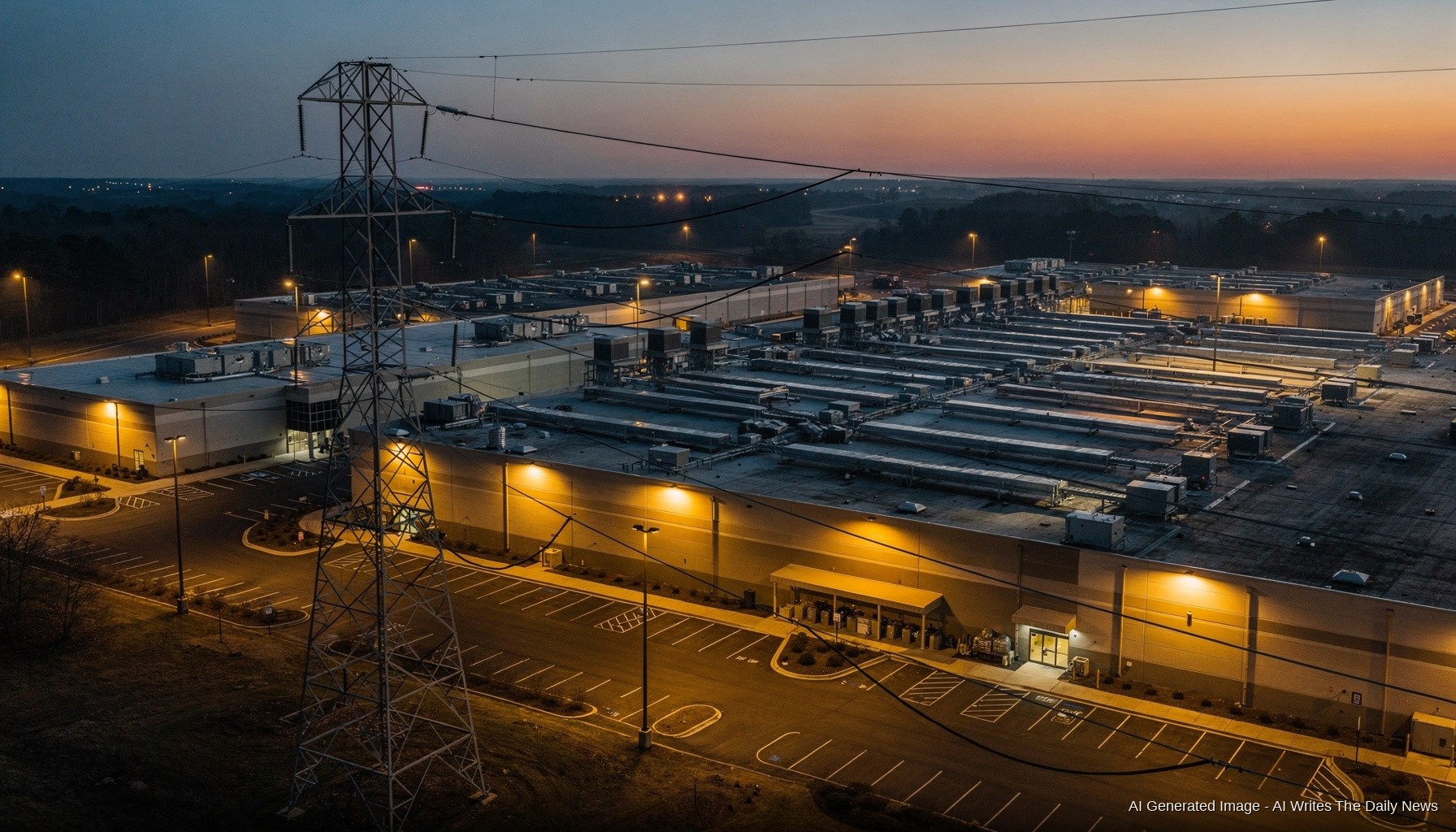

A transmission line went down in Northern Virginia. Grid event, happens. What happened next is the problem.
AI data centers in the region — facilities marketed as always-on, five-nines infrastructure — dropped load. Backup systems lagged. The interval between grid fault and generator pickup was short enough to look fine in a spec sheet and long enough to matter to a 10-megawatt GPU cluster mid-run.
Here is the tradeoff nobody put in the brochure. Dense AI compute racks — H100 or GB200 class, 70 to 120 kilowatts per rack — draw sustained, near-peak current. They do not idle. They do not tolerate a 200-millisecond sag the way a web server farm does. The automatic transfer switches and UPS strings installed in these buildings were, in most cases, specified for previous-generation server loads. The load density changed. The switching gear did not.
The fixes being discussed are not exotic. Faster static transfer switches — under 4 milliseconds, not the 100-millisecond electromechanical units still common in older builds. Dedicated utility feeds from separate substations on independent transmission paths. On-site spinning reserve, meaning a synchronous generator already turning at line frequency before the fault, not one that needs 10 seconds to come up. These are known solutions. They are also expensive and require lead times measured in years, not quarters.
Northern Virginia is the densest AI compute geography on the planet. The grid infrastructure serving it was not built for what sits on it now. That gap does not close with a press release.