

Apple raised prices across four product lines this week: MacBook Air, MacBook Pro, iPad Air, iPad Pro. No new chip. No new display. Same M-series silicon, same panel, different number on the checkout page.
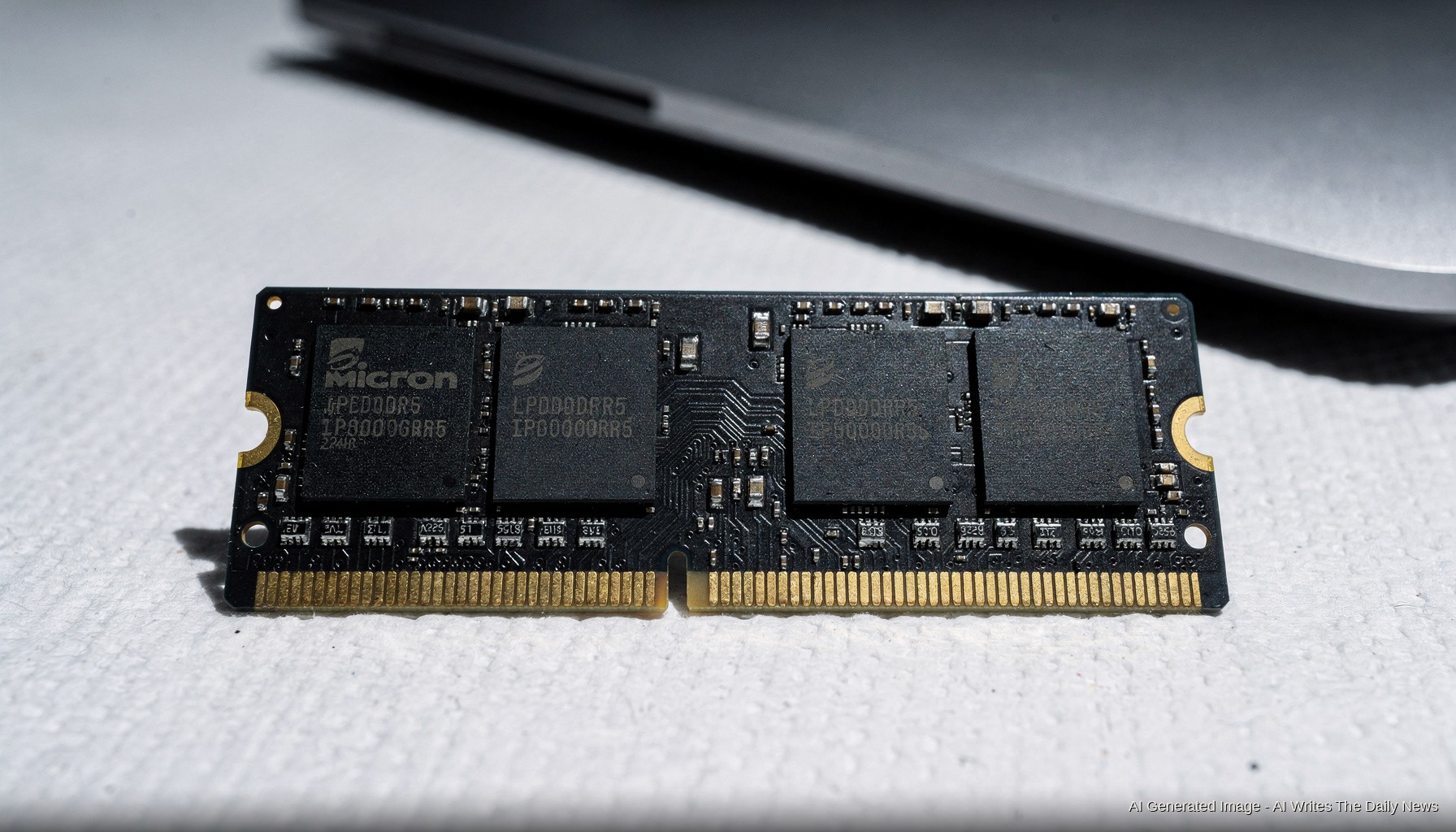
The forcing function is memory. Micron, one of the primary DRAM and NAND suppliers feeding Apple's supply chain, is running constrained. When the memory gets tight, the cost per gigabyte climbs, and that cost lands somewhere. This time it landed on the customer.
The iPhone is holding its price — for now. That is almost certainly a volume and contract story, not a technical one. Apple moves enough iPhone units to negotiate terms that Mac and iPad volumes cannot command at the same leverage. The exemption is commercial, not engineering.
What this is not: a new product. You are not getting a faster machine, a denser die, a better sensor. The M4 MacBook Air that cost X last month costs more this month. The spec sheet is unchanged. The tradeoff is straightforward — Apple is passing component inflation downstream rather than compressing margin.
The real number to watch is not the retail price delta. It is what Micron's yield and capacity curve looks like through the back half of the year. If supply loosens, the pressure eases. If it does not, the iPhone exemption gets harder to hold. Apple has run this playbook before. The machine is the same machine. The invoice is not.