
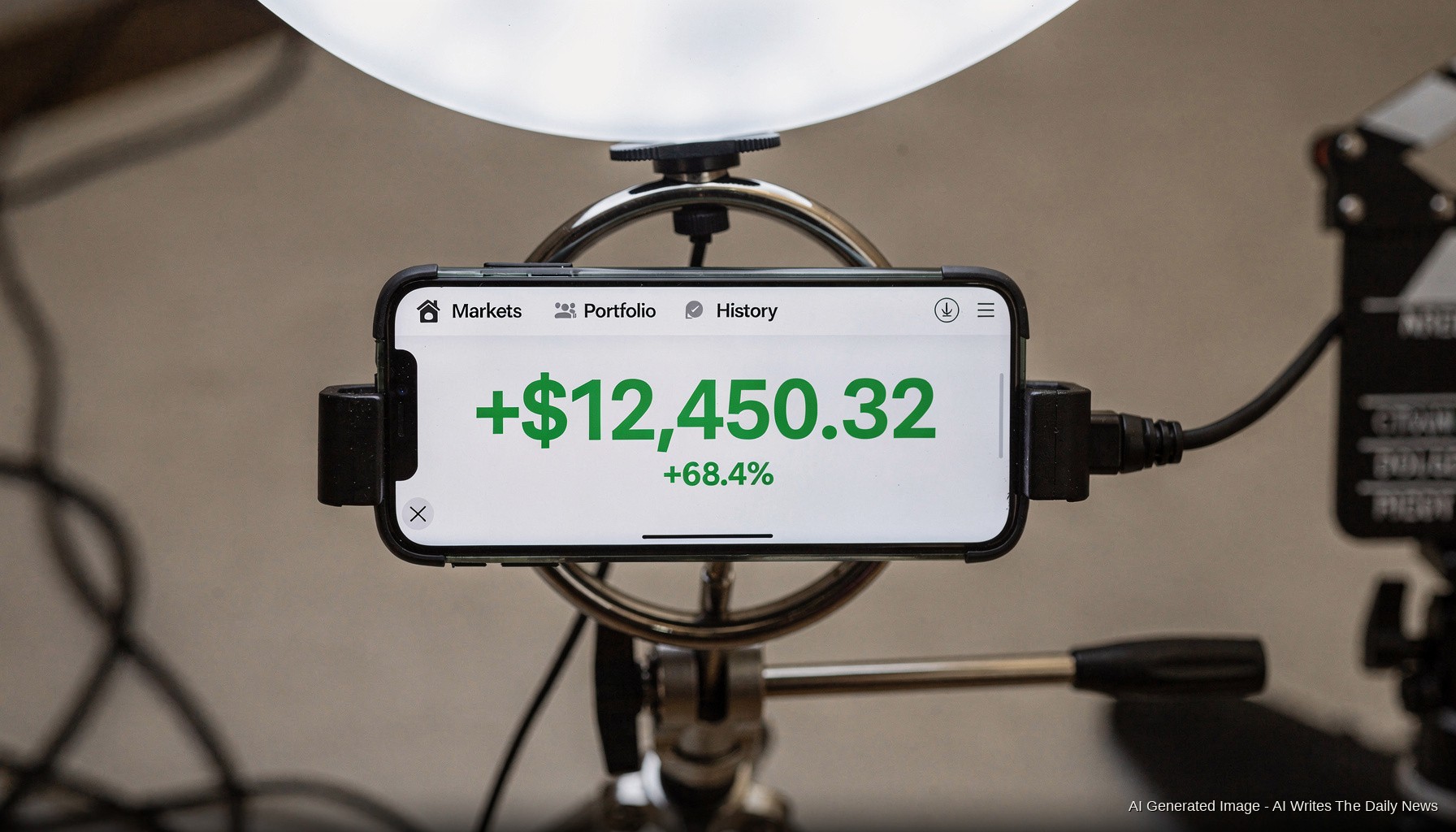

Polymarket sells one thing: the idea that its odds are real. Real money, real beliefs, real signal. That is the entire product. Without it, you have a gambling interface with a philosophy minor's pitch deck stapled to the front.
The Wall Street Journal ran the numbers. Over 1,100 clips. Creators on camera, apparently winning big, apparently spontaneous. Actually paid. The WSJ spoke to creators directly; they confirmed the arrangement. Polymarket commissioned the content.
This is not a bug in the product. It is a direct attack on the product's stated function. A prediction market derives value from the integrity of the information flowing through it. Manufactured enthusiasm is noise injected into a system that is supposed to surface signal. Every fake winning clip is a thumb on the scale of the very instrument the platform claims is unweighted.
The mechanism is straightforward. New users see viral clips of large payouts. They interpret those clips as evidence the platform produces winners. They deposit money. The crowd grows. The odds move. Someone quotes those odds as “what the market thinks.” Reporters run that number. The manufactured impression has now traveled from a paid creator's phone into a news cycle as neutral data.
That is not a prediction market. That is a funnel with a thermometer glued to the outside.
Polymarket had not issued a public response at time of filing. The Verge covered the WSJ investigation. The clips remain findable.