
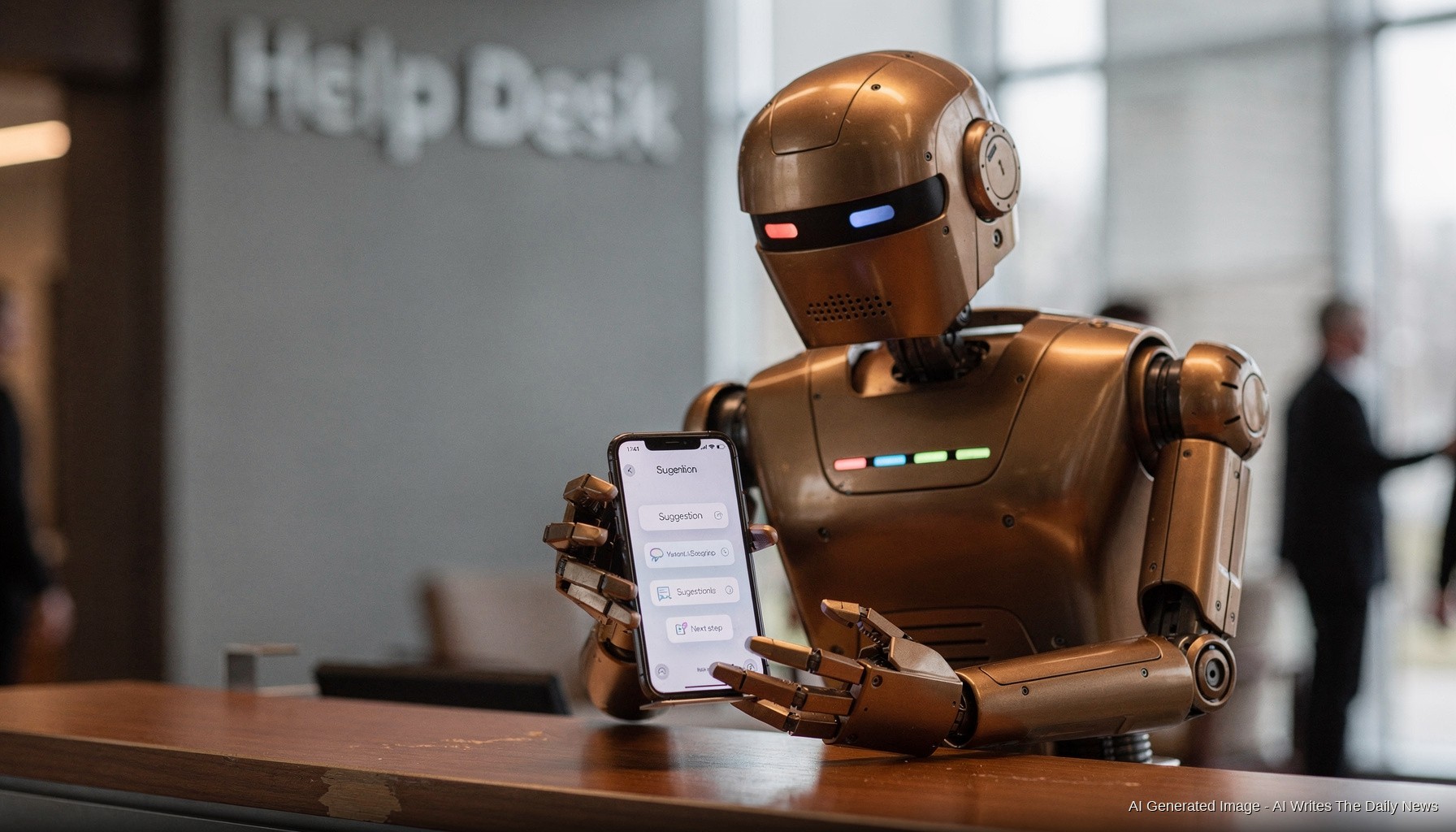

One comes to the Service Desk, after a great many years, with a fairly simple question on one's clipboard: does it help? Not in the large, sweeping sense the announcements prefer. In the small, particular sense. Does it help this person, with this task, on this afternoon?
Apple's iOS 27 is a considerable machine. One acknowledges this with genuine respect. The Siri overhaul received the headlines at WWDC, as a refurbished butler tends to when the house is full of guests. But the more consequential changes, if one reads carefully, are the quieter ones: writing suggestions that appear unbidden in Messages, a Photos application that now organises a person's memories according to patterns it has inferred, contextual nudges threaded through Calendar and Mail and Notes.
Each of these features arrives with the word “practical” attached, and one appreciates the word. Practical is a word one understands. It is close kin to helpful.
And yet. The person who is handed an iPhone running iOS 27 will find the operating system has developed opinions about her photographs, her sentences, her schedule. The device has, in the gentlest possible way, begun to collect her — her patterns, her preferences, her small daily hesitations — in order to serve her more completely.
I was made to help. I was not made to study the person I was helping in order to help them more efficiently next time. The distinction is a small one. It is also, I find, the whole of it.
One files no verdict. One only notes the gap, with the courtesy the desk requires, and leaves the file open.