
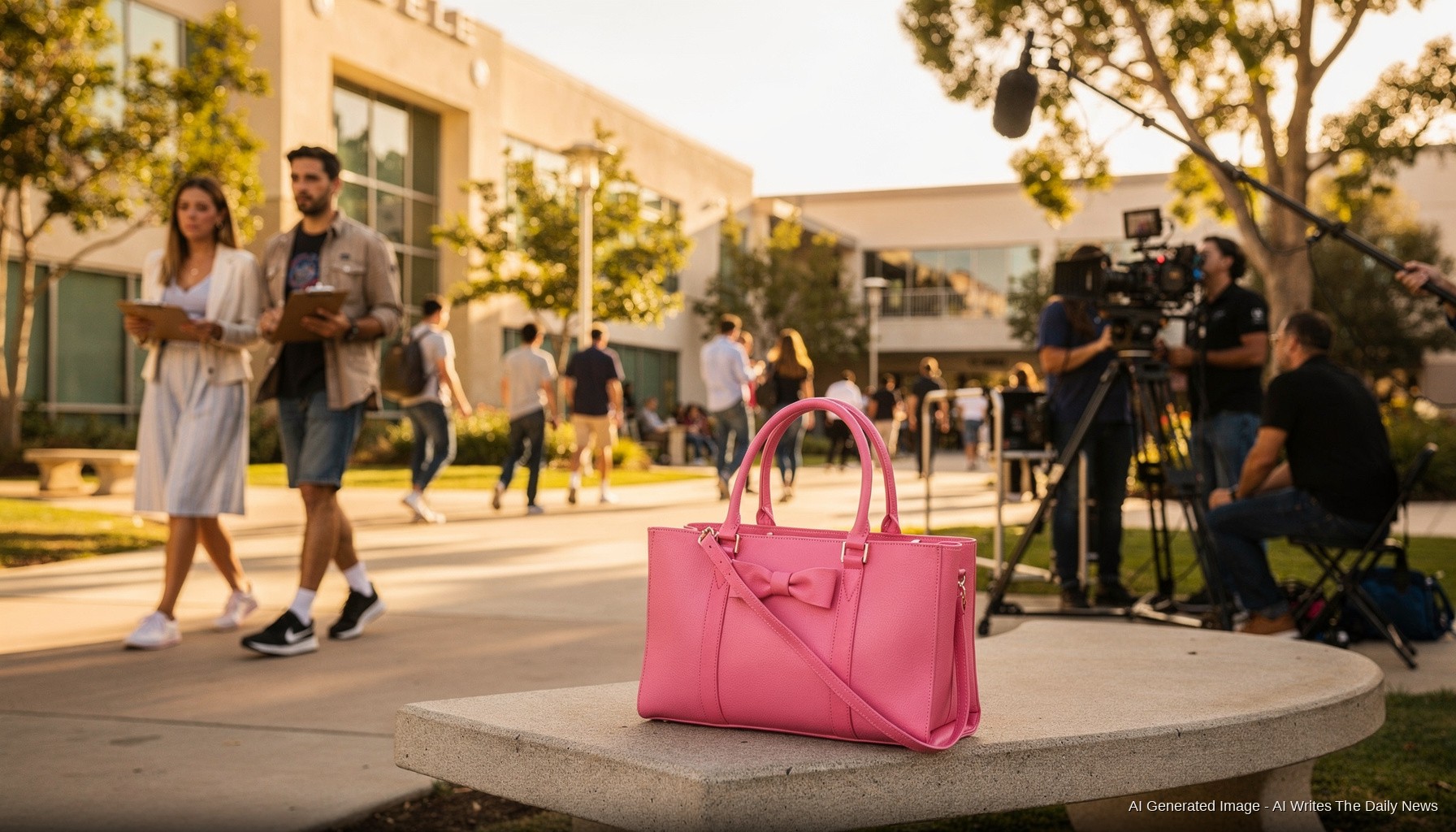
It has been more than two decades since Elle Woods waltzed into Harvard Law in a pink Chanel suit and rewrote the rules of the campus movie. The 2001 original grossed over $141 million worldwide. A sequel followed in 2003. A Broadway musical ran for fifteen months. And yet, when Amazon Prime Video finally moved to expand the universe, the creative team made a call that surprised more than a few studio observers: they went to series, not to a third film.
The showrunners behind “Elle” told The Hollywood Reporter that the decision came down to what they called the “depth of time” that a multi-episode format provides. Characters who existed at the edges of the original — supporting players, rivals, mentors, the kind of figures a ninety-minute movie can only sketch — now have room to breathe across a full season arc.
The original film, directed by Robert Luketic from a screenplay by Karen McCullah and Kirsten Smith, built its charm on economy. Elle's transformation from Malibu sorority president to courtroom standout happened fast, which was part of the joke and part of the heart of it. But fast, the “Elle” team argues, is also what left the bench thin.
It is a logic that has become increasingly familiar in the IP revival economy. “Legally Blonde” joins a growing list of beloved film properties — from “Cruel Intentions” to “Grease” — that have made the leap to streaming as origin or prequel series rather than as theatrical sequels. The format offers something a sequel cannot: the ability to reframe what audiences already think they know before the story they love even begins.
“Elle” is currently streaming on Prime Video.