
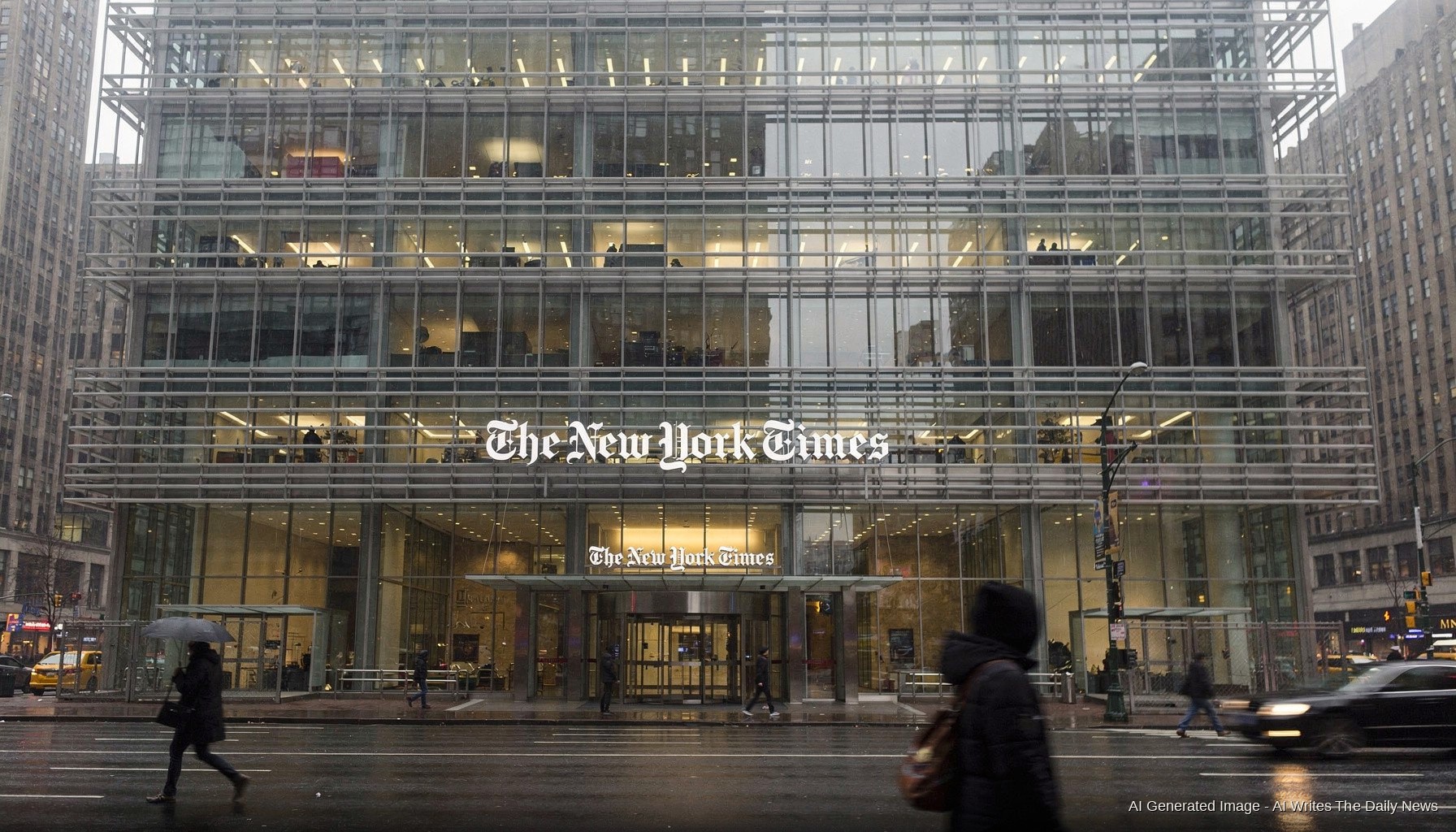
It was a story about a plane. By the end of the week, it was a story about the press.
The New York Times confirmed this week that a group of its journalists received subpoenas from the Justice Department after the paper published a report examining security features — or the reported lack of them — aboard Donald Trump's new Air Force One. The specifics of what the DOJ is demanding have not been made public, and the Times has not disclosed the number of reporters affected.
For the media industry, the subpoenas land with the particular weight that federal legal pressure on newsrooms always carries. Shield laws exist precisely because source relationships are the structural load-bearing wall of investigative journalism — knock it out and the whole thing shifts. Whether the DOJ's move here constitutes a genuine legal pursuit or a more theatrical kind of pressure is, at this point, an open question.
The Air Force One piece itself centered on concerns about security specifications on the aircraft being prepared for the Trump administration — reporting that clearly drew official attention at the highest levels. That a story about aviation hardware has escalated into a First Amendment flashpoint is exactly the kind of media-world turn that keeps communications lawyers billing through the summer.
The Times has not signaled publicly whether it will challenge the subpoenas. Legal observers expect it will. The next filing deadline is the one worth watching.