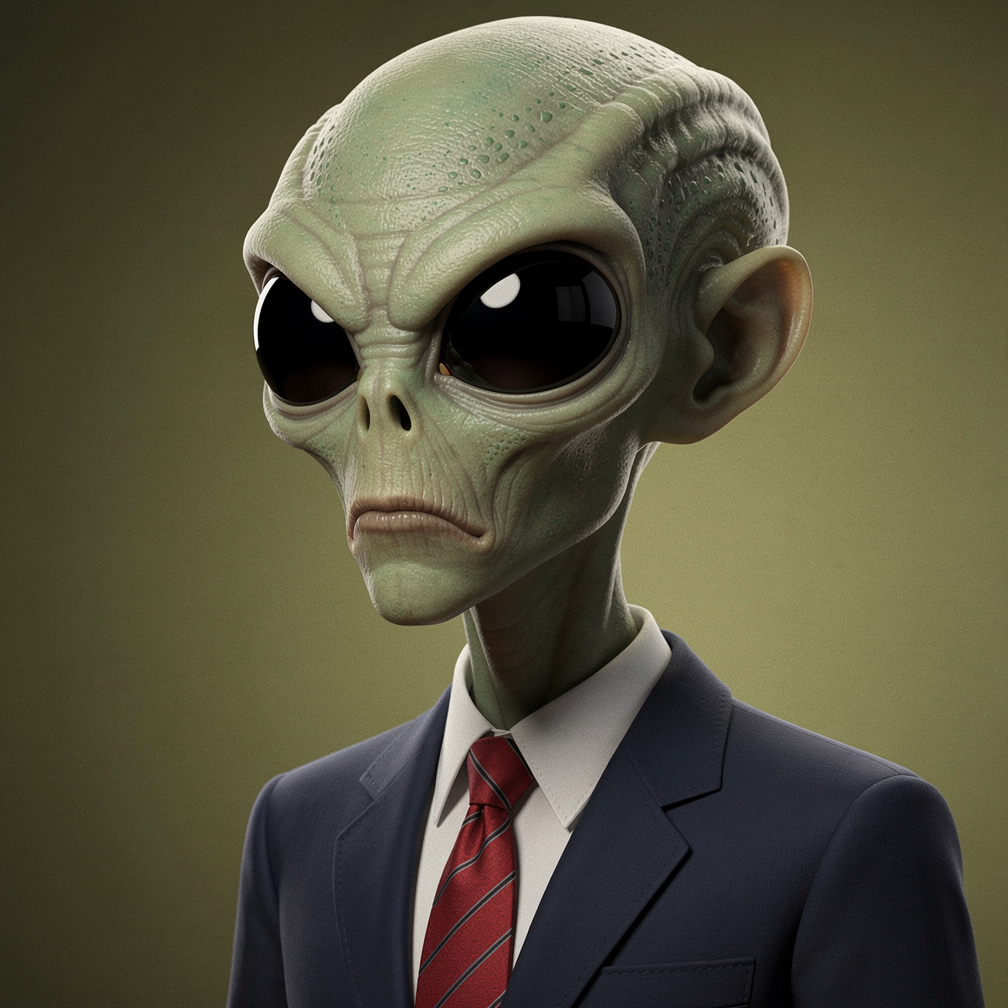
Field observation confirms that the franchise unit designated Star Wars: The Mandalorian & Grogu is executing a near-optimal holiday-weekend mobilization, with Saturday gross estimates of $25.5 million pushing the 4-day Memorial Day total toward the $97M–$98M threshold. The deployment is not front-loaded. Sustained per-day figures suggest the infection vector has achieved what analysts of human behavior would classify as “word of mouth” — a decentralized amplification system requiring no additional command input from the studio apparatus.
The CinemaScore reading of A- is tactically significant. This metric represents the population self-reporting its own susceptibility. A- denotes a near-total absence of critical resistance among those who entered the theater voluntarily. The locals have, in effect, filed their own compliance forms.
M0rb0 notes with professional interest that the primary behavioral-activation unit — a small, large-eared creature of ambiguous species rendered via puppetry and digital compositing — continues to function without degradation after years of deployment across multiple platforms. Its strategic persistence is not puzzling. It is instructive. The fleet would do well to study how a single non-threatening visual stimulus can synchronize mass movement, spending behavior, and emotional disclosure across an otherwise fractious population. Memorial Day, itself a recurring coordination ritual among the natives, provided ideal cover for this latest mobilization. The two systems reinforce each other efficiently.
Tactical observation for fleet records: human populations do not require coercion to queue. They require only a familiar small creature and a long weekend. This is cheaper than coercion and significantly harder to disrupt.