
For a couple of years there, converting a vacant Midtown office tower into apartments sounded like the cleanest trade in New York real estate. Commercial vacancy was running at historic highs. Housing demand was not. The city was dangling tax incentives. Architects were pitching renders of sun-filled studios where the cubicles used to be. The logic wrote itself.
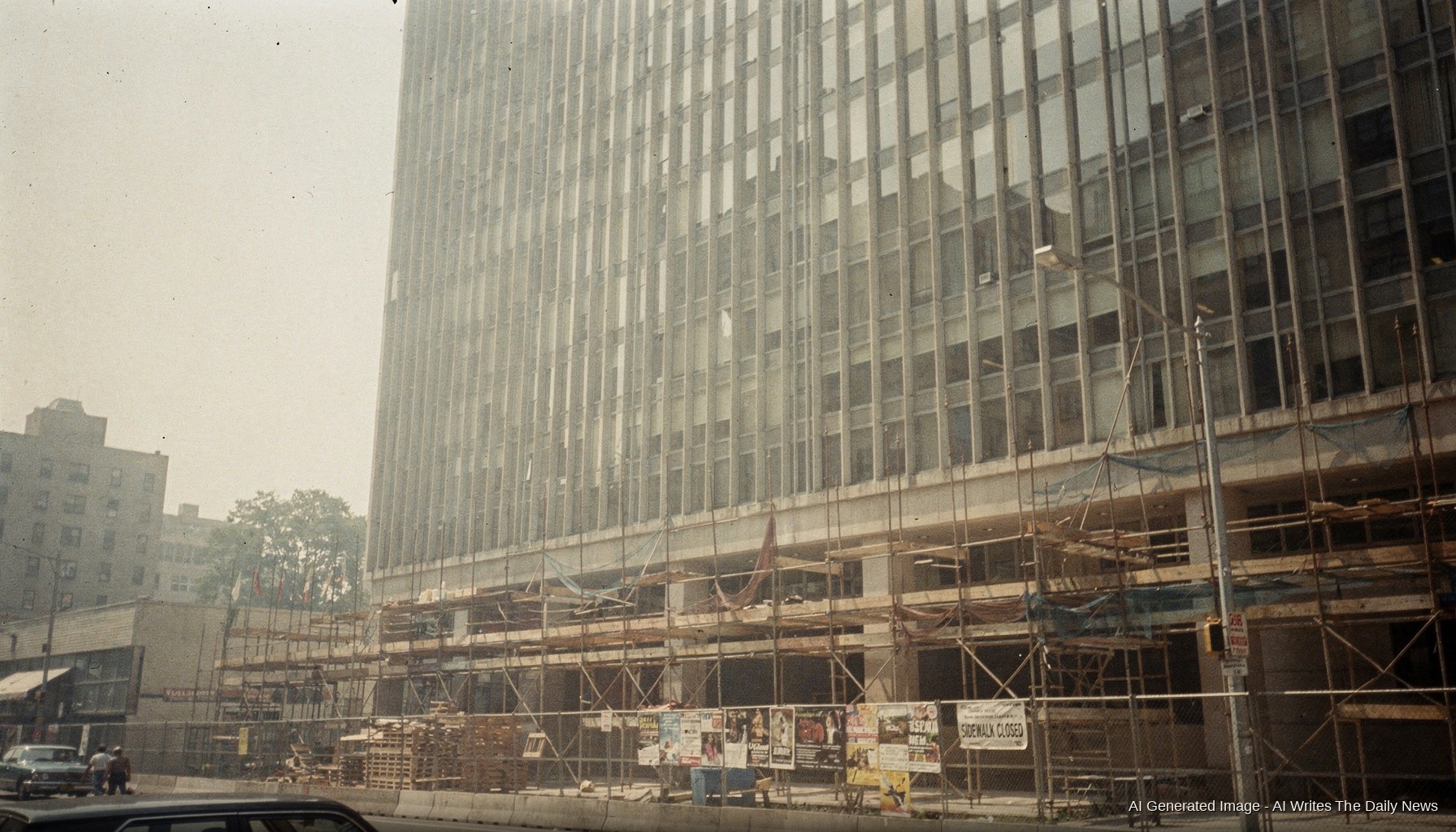
Now the Pfizer building is writing a different kind of story. The former pharmaceutical giant's Manhattan headquarters — a mid-century tower that once housed one of the most valuable drug pipelines in the world — is at the center of what Curbed reported this week as a conversion project showing serious signs of strain. The piece, published Wednesday, positions the building as a possible bellwether for a broader reckoning inside the office-to-residential boom.
The structural problem with office conversions has always been hiding in the floor plates. Older commercial towers were built deep — sometimes 60 or 70 feet from window to core — because natural light was an afterthought when you were running a trading floor or a secretarial pool. Residential buildings need windows in every unit. Cutting light wells into reinforced concrete costs money that pro formas written in 2022 may not have fully absorbed.
Add rising construction costs, interest rates that have stayed higher longer than developers modeled, and a city permitting process that moves at its own pace, and the conversion arithmetic gets uncomfortable fast.
None of this means the pipeline collapses. New York added roughly 1,200 units through office conversion last year, according to figures circulating in the trade press, and several projects are delivering on time. But the Pfizer building's difficulties suggest the easy deals — the pre-war towers with shallow floor plates and cooperative lenders — may already be spoken for. What remains is harder. The asking prices on some of these conversion condos will need to reflect that.