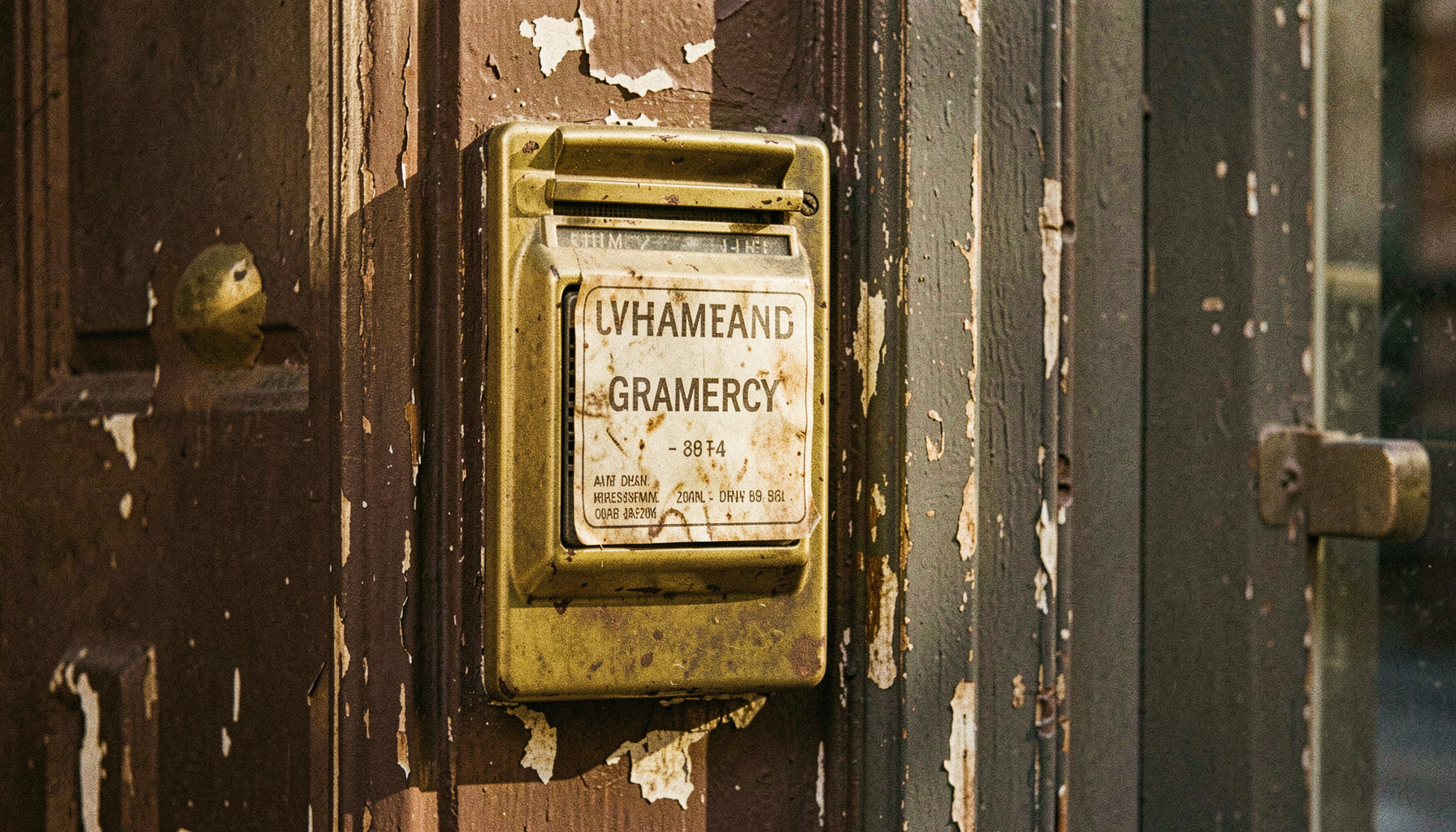
The building sits on a quiet block in Gramercy, close enough to Park Avenue South that you can hear the crosstown buses, far enough that the street still has the feel of somewhere people actually live. The front door is the kind with a buzzer panel so old the name cards are typed, not printed. One of them has been there for nearly fifty years.
According to a report published by Curbed, a single family has held a rent-stabilized two-bedroom in the building through five decades of rising rents, neighborhood turnover, and the slow conversion of the surrounding blocks from working New York into a showroom version of it. The landlord, per the report, wants them out. The family has not gone.
The apartment itself reads less like a New York real estate listing and more like an archive. Two bedrooms, multiple generations, and enough furniture and photographs packed in to document a life the neighborhood around it has largely stopped producing. Rent stabilization is the mechanism keeping them there — one of roughly one million such units still active across the five boroughs, each one a small argument against the market rate.
Gramercy is not a neighborhood that generates a lot of working-class holdout stories anymore. The co-op boards are old money, the newer buildings are not, and the median sale price for a two-bedroom has spent the better part of a decade in the seven figures. A rent-stabilized unit on a quiet block in that zip code is, by any current measure, an extraordinary thing to still be sitting inside of.
The landlord's position was not detailed at length in the Curbed report, but the pressure to vacate is not unusual — owners of rent-stabilized buildings in prime Manhattan locations have long pursued legal and extralegal means to empty and reposition units. The family has not indicated any plans to leave. The buzzer panel, for now, still has their name on it.