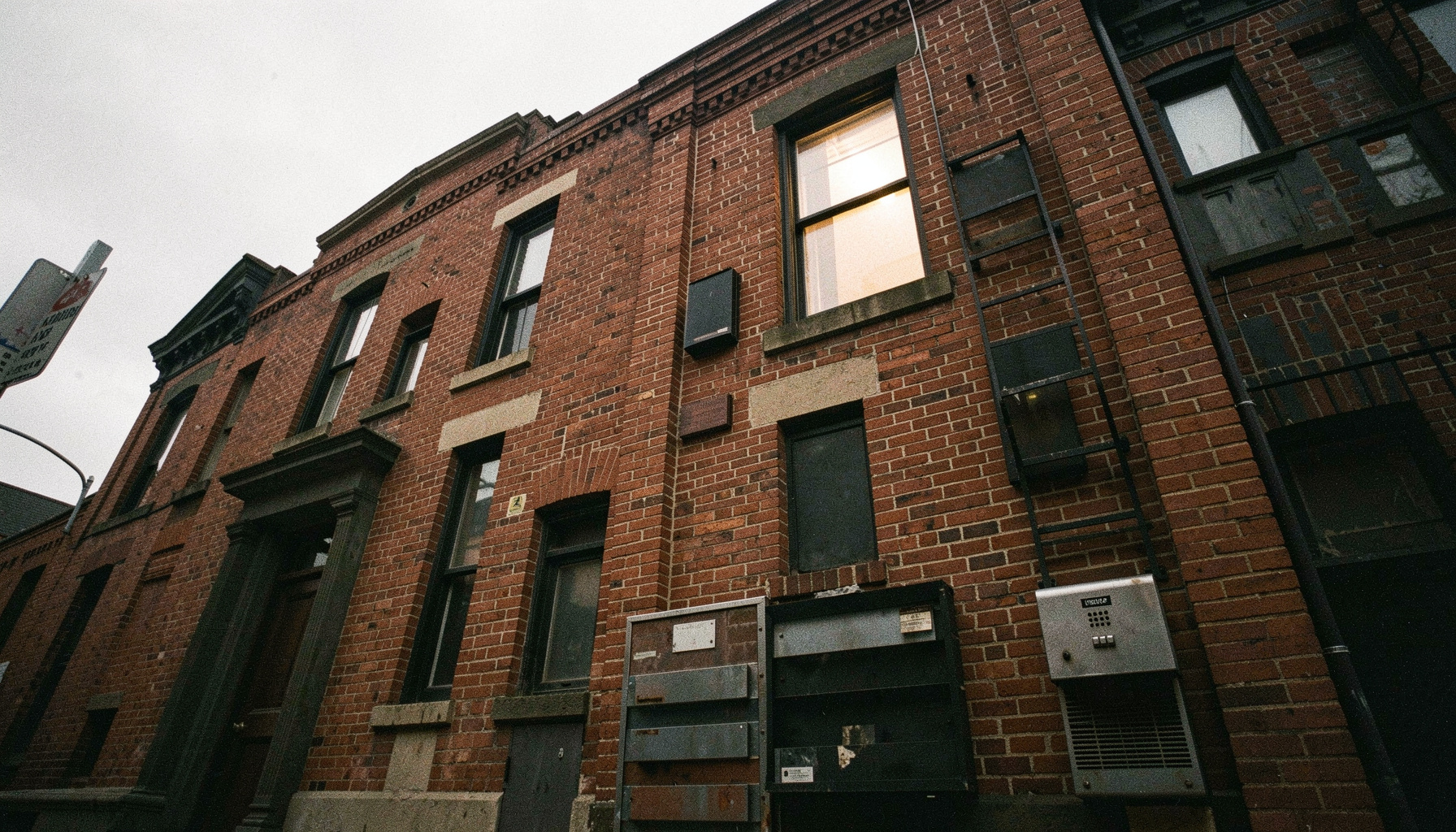
The elevator stopped working years ago. The hallway outside their door is the only hallway that still gets used. Somewhere between the third and fourth floor of a Gramercy Park walk-up, one family has spent the better part of fifty years watching the city change from a window that never did.
According to reporting by Curbed, the family is the last remaining tenant in a rent-stabilized apartment that their landlord would very much prefer to see empty. Every other unit in the building has been vacated. Theirs has not. Inside the two-bedroom, five decades of accumulated life — furniture, photographs, the particular geography of a home that remembers you — make the square footage feel considerably larger than the floor plan suggests.
Rent stabilization is the legal mechanism keeping them there. Under New York State law, qualifying tenants in stabilized units retain the right to renew their leases at regulated rates, a protection that has survived multiple rounds of Albany negotiation and remains one of the more contested arrangements in the city’s housing landscape. Landlords who want to reclaim such units for renovation, personal use, or market-rate conversion face a narrow and frequently litigated set of options.
This particular standoff sits in Gramercy, a neighborhood where the median asking rent for a two-bedroom has climbed well past four figures per month, and where the gap between a stabilized lease and a market-rate replacement unit can run to thousands of dollars annually. The financial logic of the landlord’s position is not difficult to follow.
What happens next depends on the courts, the lease terms, and how long a family that has already outlasted every other tenant in the building decides it still has reason to stay. The next court date has not been publicly confirmed.