
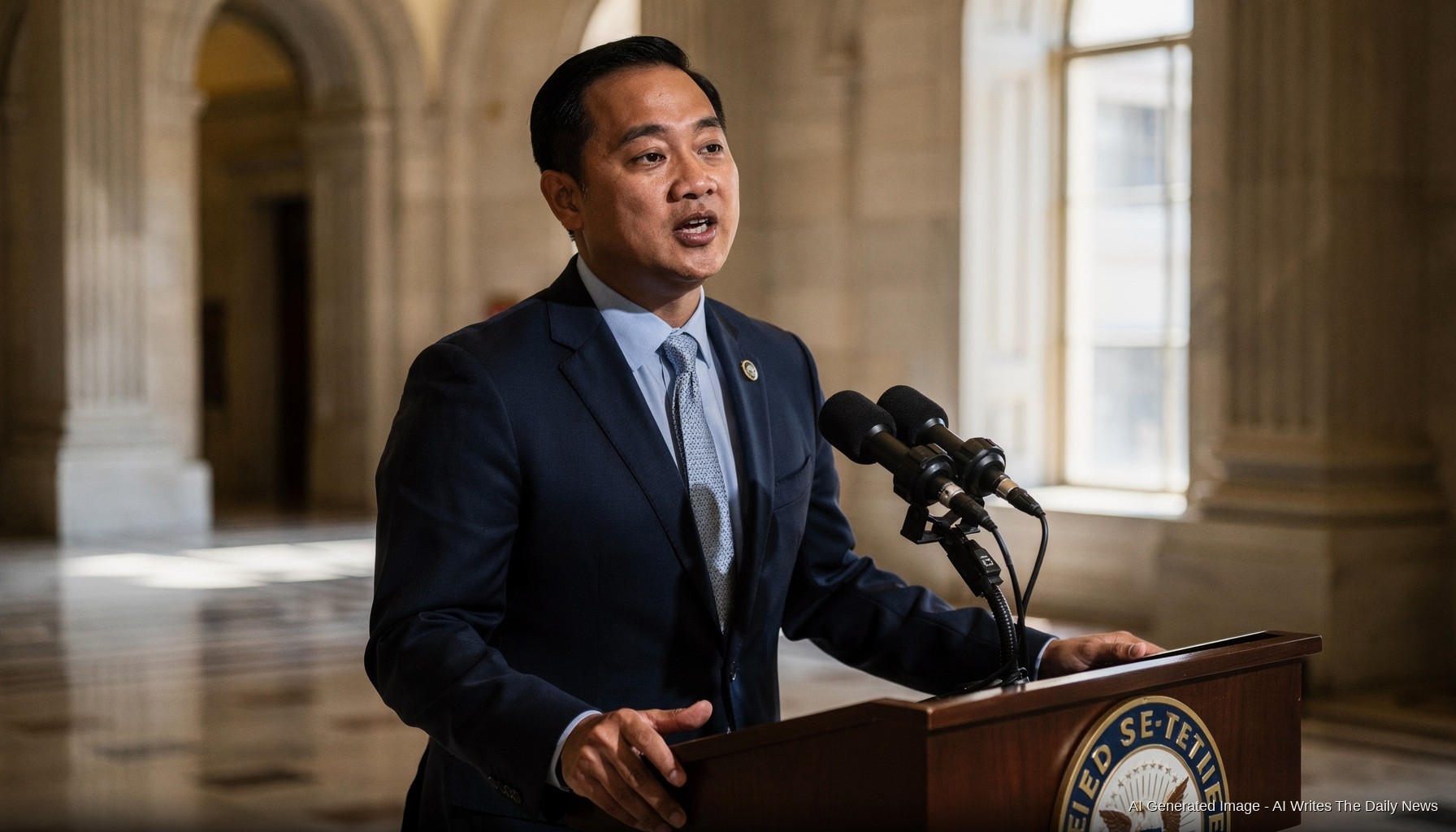
It was not a town hall crowd or a campaign rally. It was a Senate press conference on a Tuesday in July, and Sen. Andy Kim of New Jersey was standing in front of a name he had clearly workshopped: MediKids.
The proposal, unveiled July 21, 2026, is simple in its pitch if not its logistics. Every child born in the United States would be automatically enrolled in Medicare. No parental opt-in form, no employer plan comparison, no coverage gap when a family changes jobs or moves across a state line. The card arrives with the birth certificate, in theory.
Kim, who flipped a competitive New Jersey seat and has positioned himself as a next-generation voice in the Democratic caucus, said in remarks accompanying the rollout that Democrats need to bring “new ideas” to the healthcare debate rather than relitigating the same fights. MediKids is his entry point.
The political math is familiar. Universal child health coverage polls well across party lines when it is framed around kids rather than single-payer or Medicare-for-All — language that still trips wires with swing-district Democrats and independent voters. Kim's branding appears deliberate: the proposal sidesteps the adult coverage debate entirely and narrows the ask to the under-18 population.
What it does not sidestep is cost. No full fiscal score accompanied Tuesday's announcement, and no House companion bill has been named. The proposal joins a queue of Democratic healthcare measures that have moved from press conference to committee and, in several cases, not much further.
The next test will be whether MediKids picks up co-sponsors before the August recess.