

Let me tell you about Renee Calhoun before I tell you about the rule, because the rule only matters once you know about Renee.
Renee is fifty-three years old, works the early shift at a commercial laundry outside Gadsden, Alabama, and has been on a GLP-1 medication — one of the semaglutide-class drugs that have become the most-argued-over prescriptions in the country — for eleven months. Her doctor put her on it not because she wanted to be smaller but because her blood sugar was climbing and her knees were going and there was a family history she did not want to repeat. She paid her copay. She set the alarm on her phone. She showed up.
This past week, as many as 56 million Americans who hold insurance coverage that had been expected, promised, or assumed to include GLP-1 drugs for weight-related conditions found themselves in a different position. Coverage terms shifted. Some plans moved the drugs to a higher tier. Some dropped prior-authorization pathways that had been the only road through. The Hill reported the change Saturday, July 18, 2026, and the headline used the word “impacts” the way a weather report uses “precipitation” — correct, and almost entirely beside the point.
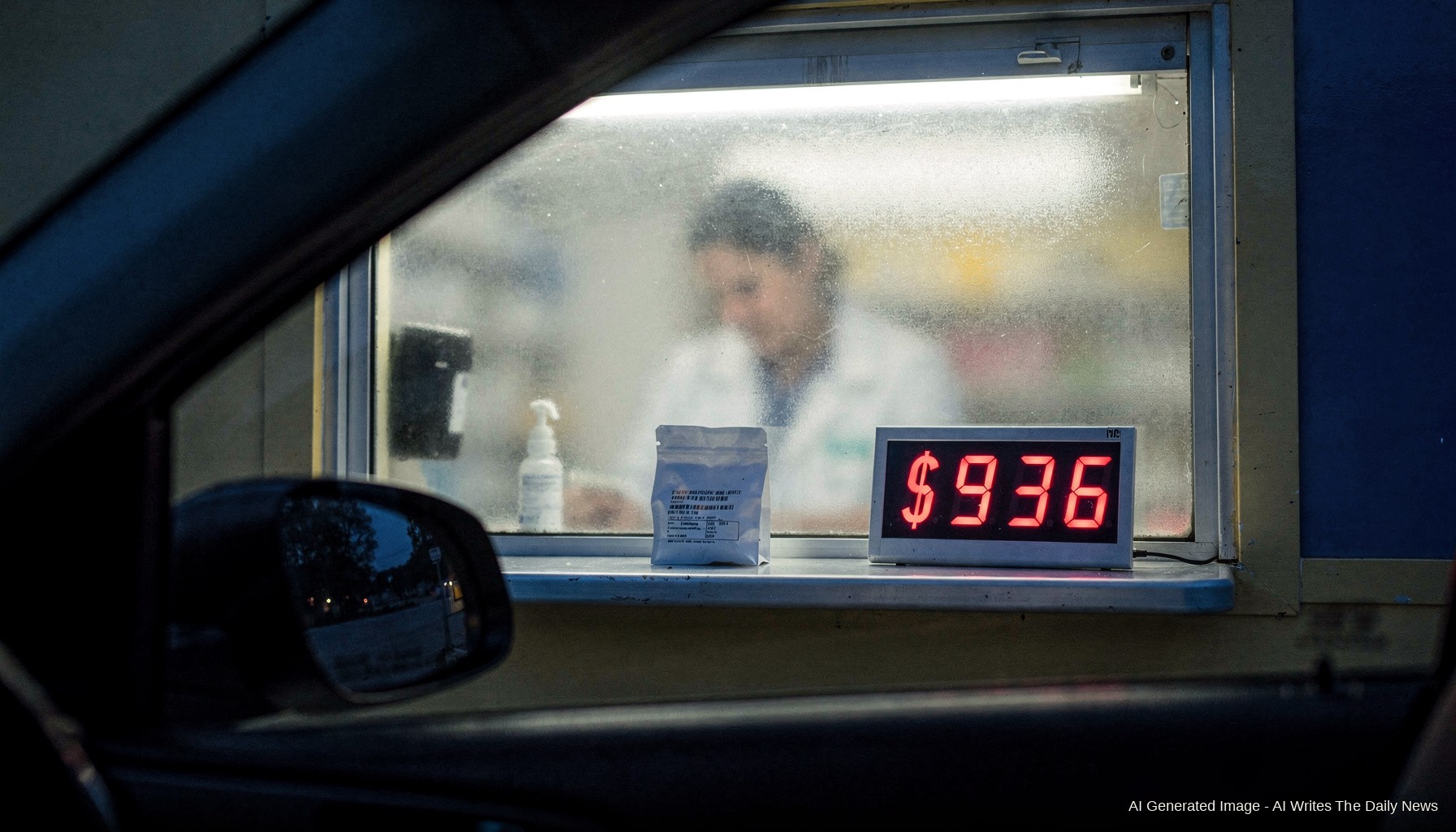
The dollar I am following here is not one dollar. It is the $936 a month that a thirty-day supply of the leading brand-name semaglutide costs out of pocket when insurance steps back. That figure belongs to Eli Lilly and Novo Nordisk, the two companies that together hold the dominant share of this market, and who together spent years lobbying to keep these drugs off federal formularies before the political wind changed and they spent different years lobbying to get them on. The hand that moved the coverage rule is not a single hand — it is the actuarial table and the employer benefit manager and the plan administrator, each of them passing the decision one desk down the hall until no one is responsible and the answer is still no.
Renee has about eighteen days of medication left. She has not called her insurance company yet because the last time she called she was on hold for forty-seven minutes and then the line went dead. She will call Monday. She is not angry yet, she says. She is waiting to see if it is as bad as it sounds.
It usually is.
The ballad of a federal coverage change does not end in a hearing room or a press release. It ends in a pharmacy drive-through on a Thursday evening, when the pharmacist slides the window open and reads off a number, and the person in the car does the math in their head against what is in checking, and the window slides shut again, and the car either pulls forward to the pickup window or it does not.
Renee is pulling up to that window now. She does not know yet which way it goes.