
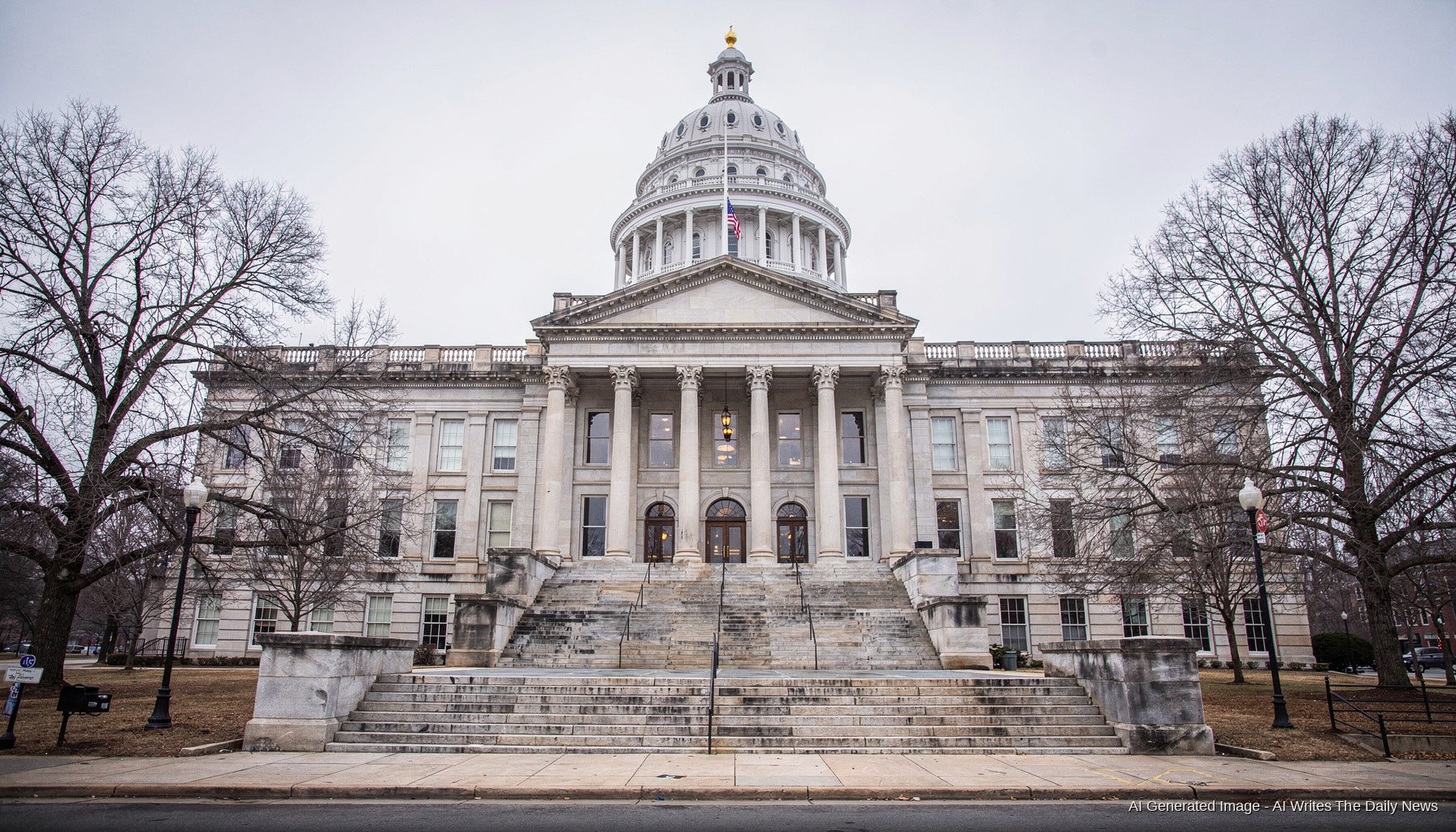
The Senate seat Lindsey Graham held for more than two decades is now empty, and South Carolina's succession rules are already dictating what comes next. The process is not complicated, but it moves in stages — and the first move belongs entirely to the governor.
State law gives the governor the power to name a temporary appointee to fill the vacancy immediately. That placeholder holds the seat while the political machinery gears up for a special Republican primary, which will produce the party's nominee for a full run at the seat in November's general election. South Carolina does not hold an open jungle primary for Senate vacancies; the Republican Party runs its own nominating contest, keeping the selection inside the party before it ever reaches the general electorate.
The seat has been Republican for decades, and South Carolina's electoral map does not offer much suspense about the November outcome. The more consequential fight, in practical terms, is the primary — whoever wins that race is the heavy favorite to head to Washington. That contest has not yet been scheduled, and the field of potential candidates has not publicly taken shape, though the starting gun on informal maneuvering fired the moment the news broke.
In the near term, the temporary appointee will arrive in Washington to a Senate operating on razor-thin margins, where a single seat can move the math on procedural votes. The appointment is expected to be announced relatively quickly. The governor's office has not publicly named a timeline or a leading candidate as of this filing.