

In 1989 the United States government sued the International Brotherhood of Teamsters and, rather than lose in court, the union signed a consent decree. The document installed an Independent Review Board with authority to investigate officers, expel members, and monitor elections. Thirty-six years of that arrangement followed. It was not gentle. It removed crooked officials. It cost the union money and pride in roughly equal measure.
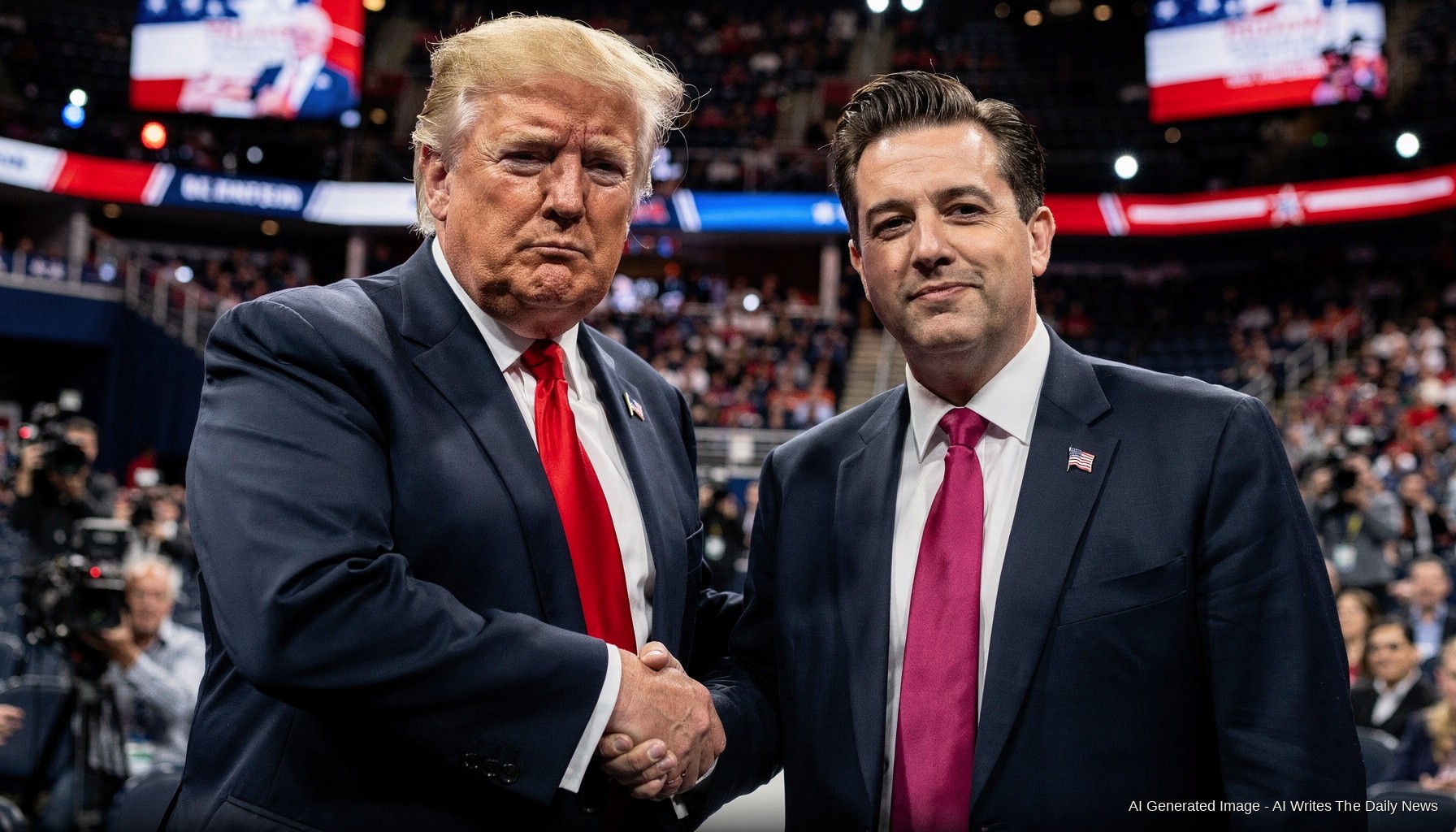
Sean M. O'Brien was re-elected general president of the Teamsters in the spring of 2026. He had spent his first term cultivating a working relationship with Donald Trump — appearing at the Republican National Convention in Milwaukee in July 2024, declining to endorse Kamala Harris, and visiting the White House after the inauguration. The photographs exist. The handshakes are on record.
Within months of O'Brien's second term beginning, the Teamsters filed to terminate the consent decree. The Justice Department, under the Trump administration, did not oppose the motion. That is the whole transaction, rendered plainly: a union president builds a relationship with the executive branch, the executive branch controls the Justice Department, the Justice Department stops resisting the termination of a corruption monitor that has been running since the Reagan years.
The Independent Review Board was not created because federal prosecutors were bored. It was created because the Teamsters' leadership had been, demonstrably and for decades, entangled with organized crime. Jackie Presser, general president through most of the 1980s, was a paid FBI informant while simultaneously maintaining relationships the bureau had been investigating. His predecessor Roy Williams was convicted in 1982 of conspiring to bribe a United States senator. The consent decree did not fall from the sky. It landed on a specific history, at a specific address, because specific men did specific things.
O'Brien argues the union has reformed. That may be true. Institutions do reform, sometimes genuinely. The argument for terminating oversight is not inherently corrupt — it is the argument that the patient no longer needs the medication. What makes this particular termination worth examining is the mechanism. Reform demonstrated over time to a skeptical court is one thing. Reform certified by a Justice Department that owes its current posture to the same man who shook O'Brien's hand at the Republican National Convention is another thing entirely.
The consent decree required the government to be an adversary. The government has chosen, at this moment, not to be. That choice was made by appointees who serve at the pleasure of a president whose relationship with the Teamsters' leader is photographed, public, and recent.
The Independent Review Board's last case log runs to 847 pages.