
In January of this year, Donald Trump sued the Internal Revenue Service and the United States Treasury Department. The amount he put in the complaint was ten billion dollars. Not nine. Not eleven. Ten billion, a number large enough that it requires a moment to sit with it before you move on.
The claim was the leak of his tax returns. Years ago, a former IRS contractor named Charles Littlejohn took Trump’s returns — along with returns belonging to other wealthy Americans — and passed them to journalists. Littlejohn pleaded guilty in October 2023 and was sentenced to five years in federal prison in January 2024. The crime was real. The prosecution happened. The man is serving time.
What followed from Trump was a civil suit asking the government — meaning the taxpayers — to pay him ten billion dollars for the embarrassment of having his finances reported on. His finances, which he had declined to release voluntarily through four years of his first term, a break from forty years of presidential tradition.
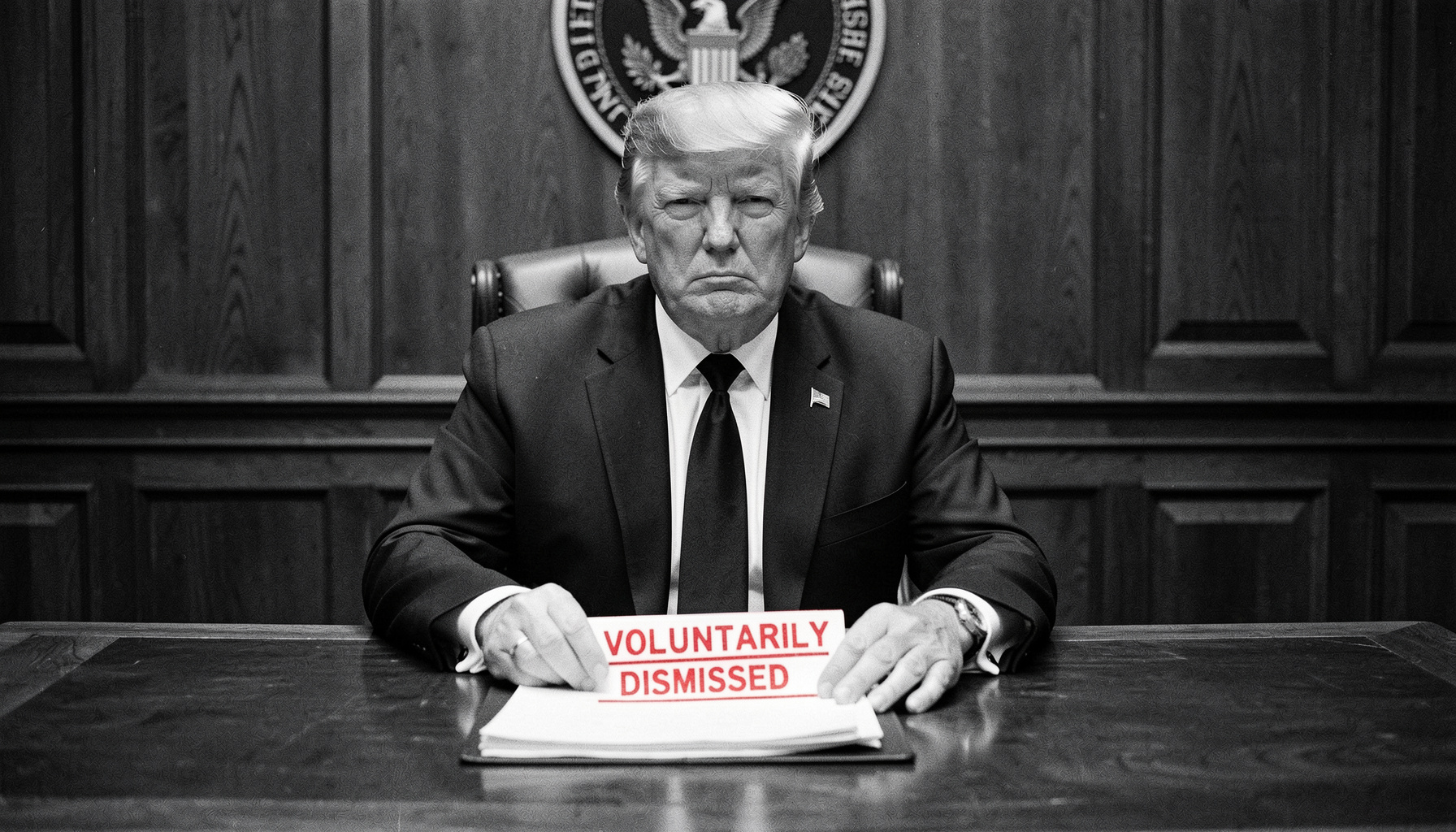
Now, in May 2026, the suit has been voluntarily dismissed. Reports describe a settlement in progress. The terms have not been disclosed. The government that is negotiating the settlement is the same government Trump runs. The Justice Department attorneys who would sit across the table from his lawyers work for him. The Treasury Department being sued is led by his appointee. The IRS being sued is led by his appointee — though that office has seen considerable turnover lately, which is a column of its own.
A president suing the agencies under his own executive authority is a structural oddity that most legal scholars would have trouble illustrating on a whiteboard. The courts have not been asked to rule on it, because the case is being settled instead of litigated. Whatever is paid — if anything is paid — will come from the United States Treasury. The same Treasury the suit named as a defendant.
The leak was a genuine wrong. Littlejohn violated the law and the privacy of thousands of taxpayers, not only Trump. The sentence handed down was the stiffest ever given for that specific offense. Justice, by the conventional measure, was done.
Ten billion dollars is what Trump decided that wrong was worth, in a suit filed the same week he took office again, against agencies he controls, to be settled by lawyers he directs, from a treasury he oversees.
The lamp in the Justice Department is still burning. Someone is drafting the settlement figure. We don’t know what number they’re writing in that bottom corner, and we are not supposed to ask.