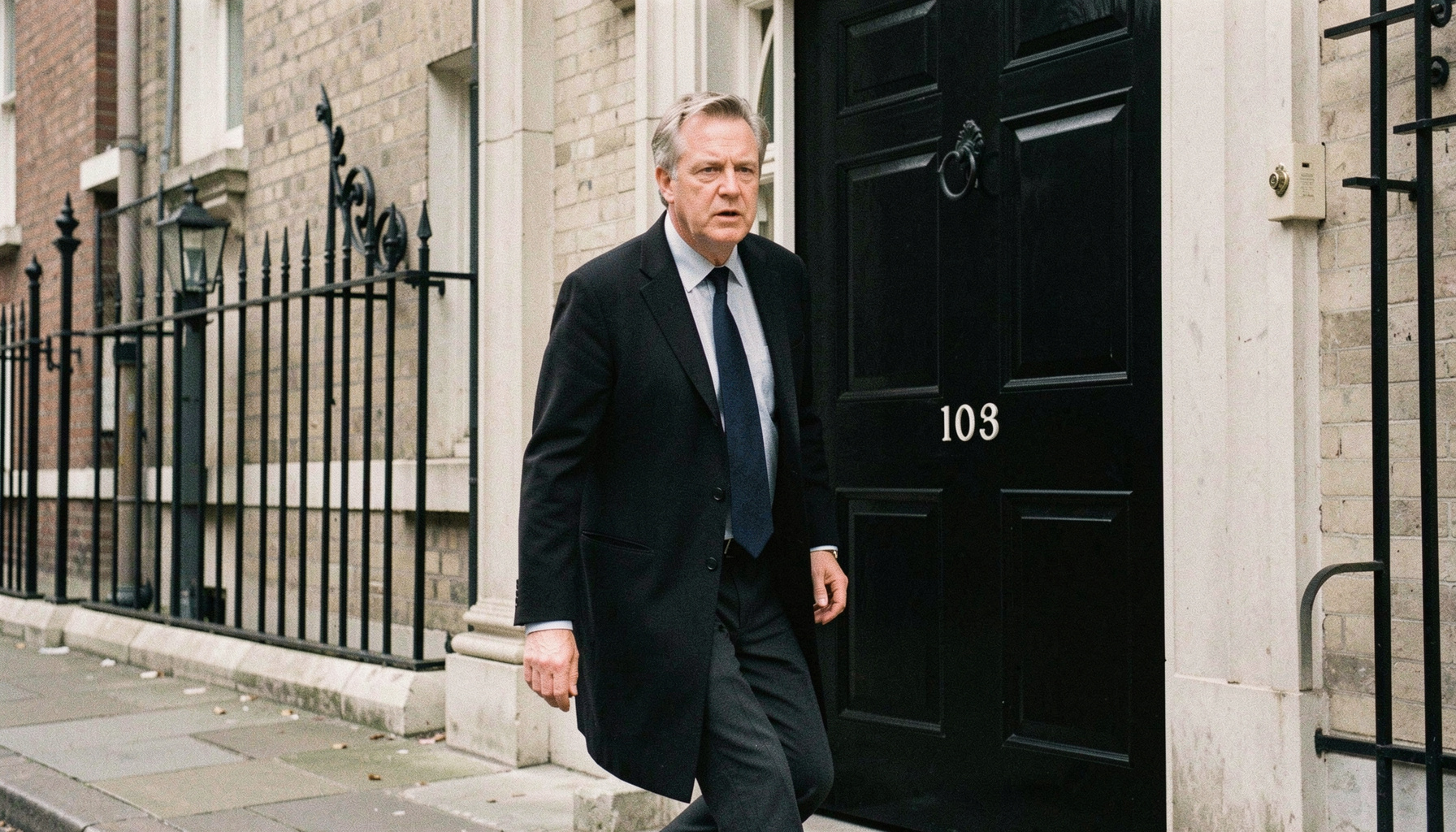
There is a running joke in Westminster that the fastest way to end a political career is to move into the flat above Number Ten. It is not, at this point, much of a joke.
Since 2016, Britain has cycled through five prime ministers with a speed that would embarrass a rotating-door manufacturer. Theresa May went. Boris Johnson went. Liz Truss went in 45 days — a tenure so brief the lettuce outlasted her, as one tabloid famously noted at the time. Rishi Sunak went after the Conservatives were routed at the 2024 general election. And now Keir Starmer, despite arriving with the largest Labour majority in a generation, finds himself fielding the same questions his predecessors did, just eighteen months or so into the job.
A long read published by The Guardian on 17 May 2026 frames the problem not as a talent deficit but as a structural one. The argument runs roughly as follows: the British prime ministership has become uniquely exposed. Parliamentary parties are more willing to move against their own leaders than at any point in the post-war period. The media cycle has compressed the grace period that new governments once enjoyed to something close to nothing. And the economic inheritance — cost-of-living pressure, creaking public services, a housing market that has locked out an entire generation — is severe enough that whoever holds the office absorbs the blame almost immediately.
The May-to-Starmer arc covers roughly a decade, and across that decade the average tenure sits at well under two years. For context, Margaret Thatcher served eleven. Tony Blair served ten. The volatility is not just anecdotal; it is measurable, and it is accelerating.
Whether the current occupant of Number Ten breaks the pattern or extends it, the next test is likely to come at the local elections, where Labour's poll numbers will be read — as they always are — as a verdict on the leadership rather than the councils.