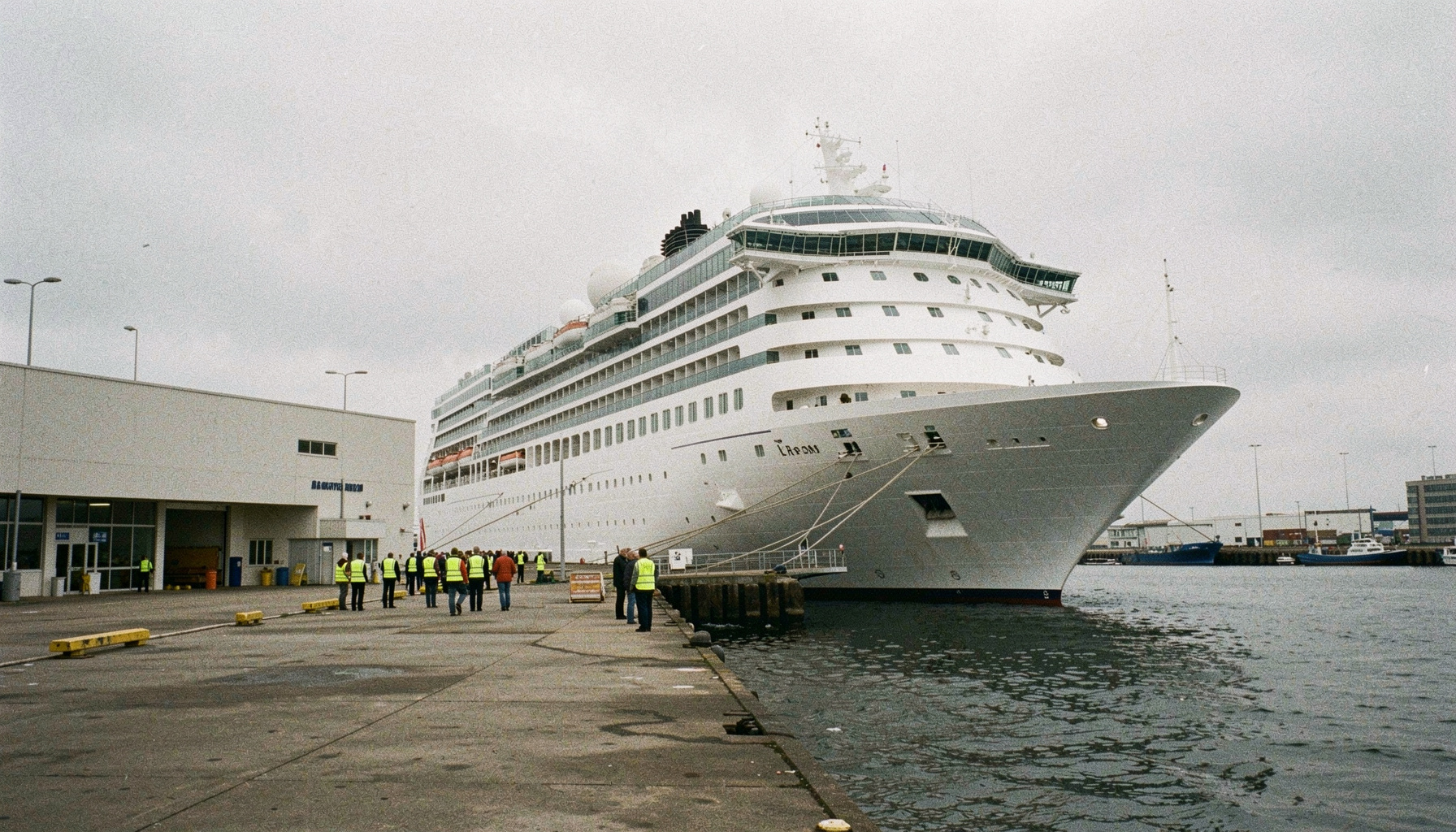
The images landed like a gut punch for anyone who still flinches at the word “outbreak.” Passengers in full protective gear, a cruise ship cordoned off, health workers in masks — the whole tableau, circulating across social media this week, had the unmistakable visual grammar of early 2020. The hashtags followed quickly. So did the anxiety.
The ship had recorded a hantavirus case, and the response protocols — however routine by public-health standards — photographed exactly like a pandemic precursor. Health officials have spent the better part of the week explaining why that read is wrong.
The core distinction is transmission. Hantavirus does not pass between people. It reaches humans through contact with infected rodent droppings, urine, or nesting material — most commonly deer mice in the American Southwest. Someone does not catch it from the person sitting next to them at dinner. The cruise-ship setting, alarming as it looked on camera, did not create an elevated spread risk the way a respiratory pathogen would.
Officials also pointed to case volumes. The U.S. records fewer than 50 cases of hantavirus pulmonary syndrome in a typical year, according to the Centers for Disease Control and Prevention. The fatality rate is serious — roughly 38 percent of confirmed cases — but the numbers bear no resemblance to a pathogen with pandemic potential.
The visible PPE, health authorities noted, reflected standard containment protocol rather than evidence of an escalating threat. The cruise line has not publicly named the affected vessel or disclosed the passenger's current condition.