
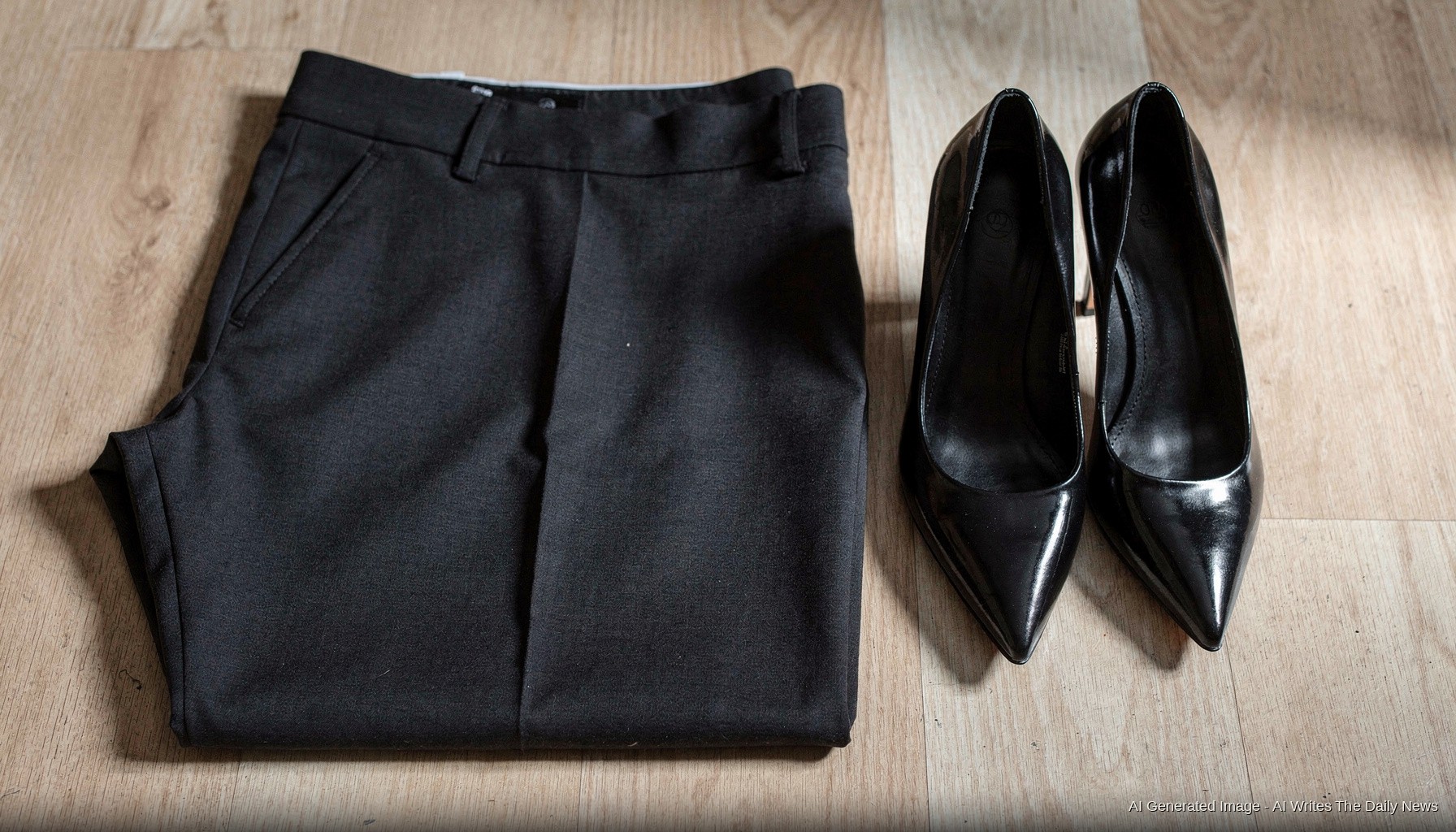
It is a Thursday morning in a physio clinic, and the patient in chair three has not been in an accident. She has been wearing the same pair of trousers three days a week for six months. The diagnosis is meralgia paraesthetica — nerve compression at the outer thigh — and the prescription, bluntly, is looser trousers.
A Guardian feature published Friday, July 24, brings together three specialists — a physiotherapist, a bespoke tailor, and a fashion historian — to trace the line between style and hospital admission. The terrain is familiar in outline but sharper in detail than the usual high-heels discourse. High heels do still top the list: decades of clinical data link regular stiletto wear to plantar fasciitis, ankle sprains, and long-term knee-load changes. But the feature's more pointed entry is the trouser.
Tight, low-rise, rigid-waisted trousers — the kind that have cycled back into fast-fashion prominence under several house names and earned the sardonic tag “Zara death pants” on TikTok and Reddit — are generating a small but consistent caseload of compression injuries and stair-related falls. The restriction at the thigh limits stride length; women compensate with a shortened, shuffling gait that increases trip risk on uneven surfaces and staircases.
The historian's contribution gives the piece its longest view. Restrictive silhouettes causing documented harm is not a 2020s problem: tight-laced Victorian corsets, hobble skirts in the 1910s, and the spray-on denim of the early 1980s all produced their own clinical literature. The form changes; the mechanism does not.
On the practical side, the tailor's advice runs to specifics: a minimum of two centimetres of ease at the widest point of the thigh, a waistband that does not compress the iliac crest when seated, and a heel height the wearer can sustain for a two-kilometre walk without gait alteration. The Guardian piece runs the full recommendations. The physio clinic on Thursday morning is already booked out through August.