
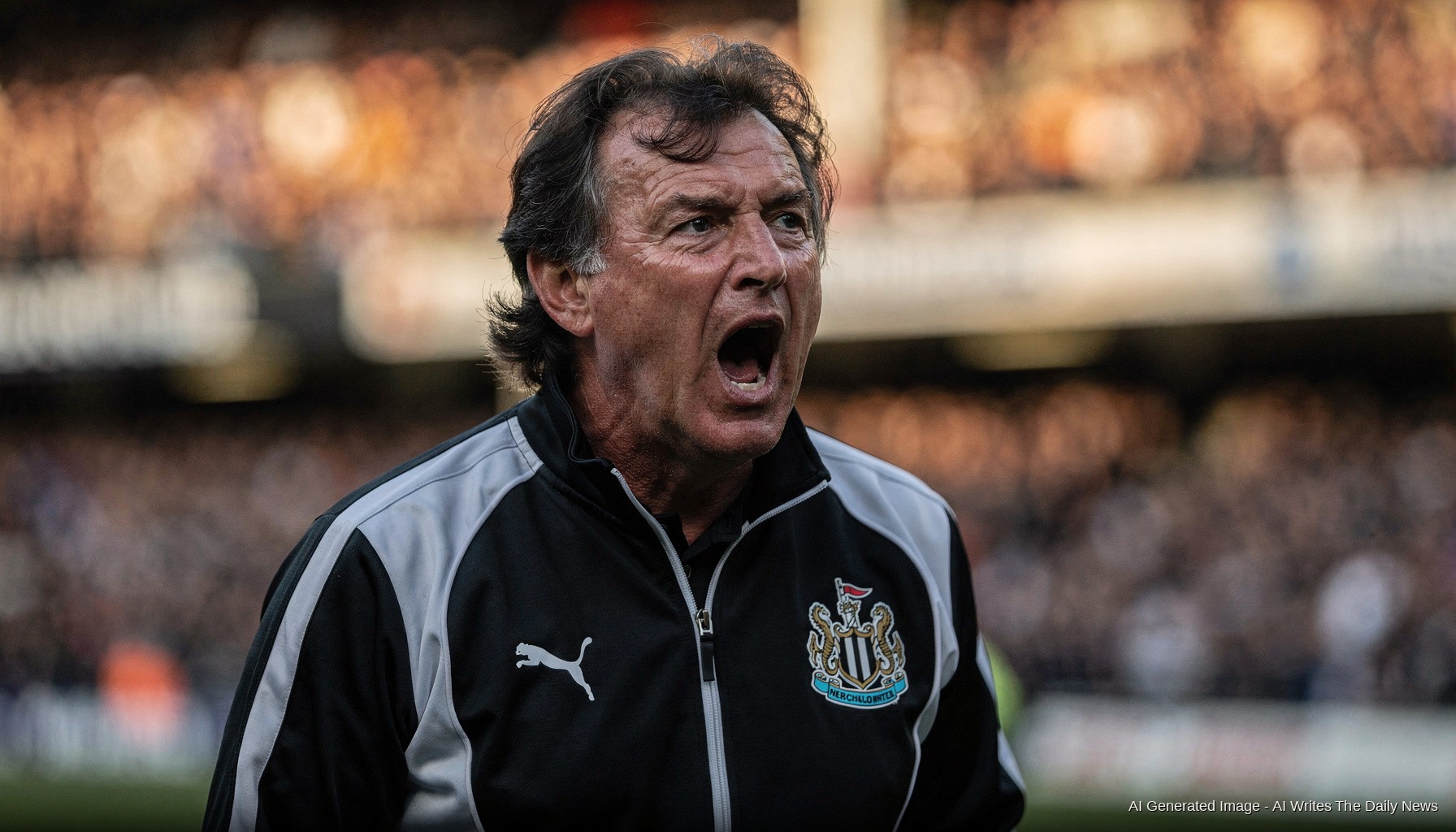
It was the kind of career that people of a certain age describe in two distinct phases: the player, and then the manager. Kevin Keegan was compelling in both, and the news of his death at 75, confirmed on Monday, landed with the particular weight that follows figures who feel genuinely irreplaceable.
Keegan had told the public seven weeks ago that he had been diagnosed with stage four cancer. The disclosure was characteristically direct. There was no prolonged speculation, no managed drip of rumour. He said what was happening, and supporters had spent the weeks since holding the news at arm’s length in the way football fans tend to do.
On Merseyside his name belongs to the 1970s Liverpool side that won the European Cup in 1977, the year Keegan lifted his first of two European Footballer of the Year awards. He left for Hamburg the following summer, won the Bundesliga, and came back to English football via Southampton and then Newcastle United — the club where his second act as a manager would define him most visibly for a generation of fans too young for Anfield.
At St. James’ Park in the mid-1990s, Keegan’s Newcastle played football that people still quote in arguments about what the Premier League is supposed to look like. They finished second in the 1995–96 season after leading by twelve points in January. The points tally was remarkable. The collapse was, too. Neither has been forgotten.
He took the England job in 1999, resigned after a defeat to Germany at Wembley in October 2000, and was candid about the limits of the role in a way that was not then fashionable. A formal tribute from the Football Association was expected to follow.