

The Morandi Bridge in Genoa did not collapse quietly. On August 14, 2018, at 11:36 in the morning, a 210-meter section of the A10 motorway fell. It took thirty-five seconds. Forty-three people went with it — in cars, in a truck, on foot. The youngest was eight years old. The oldest was sixty-five. The river caught what was left.
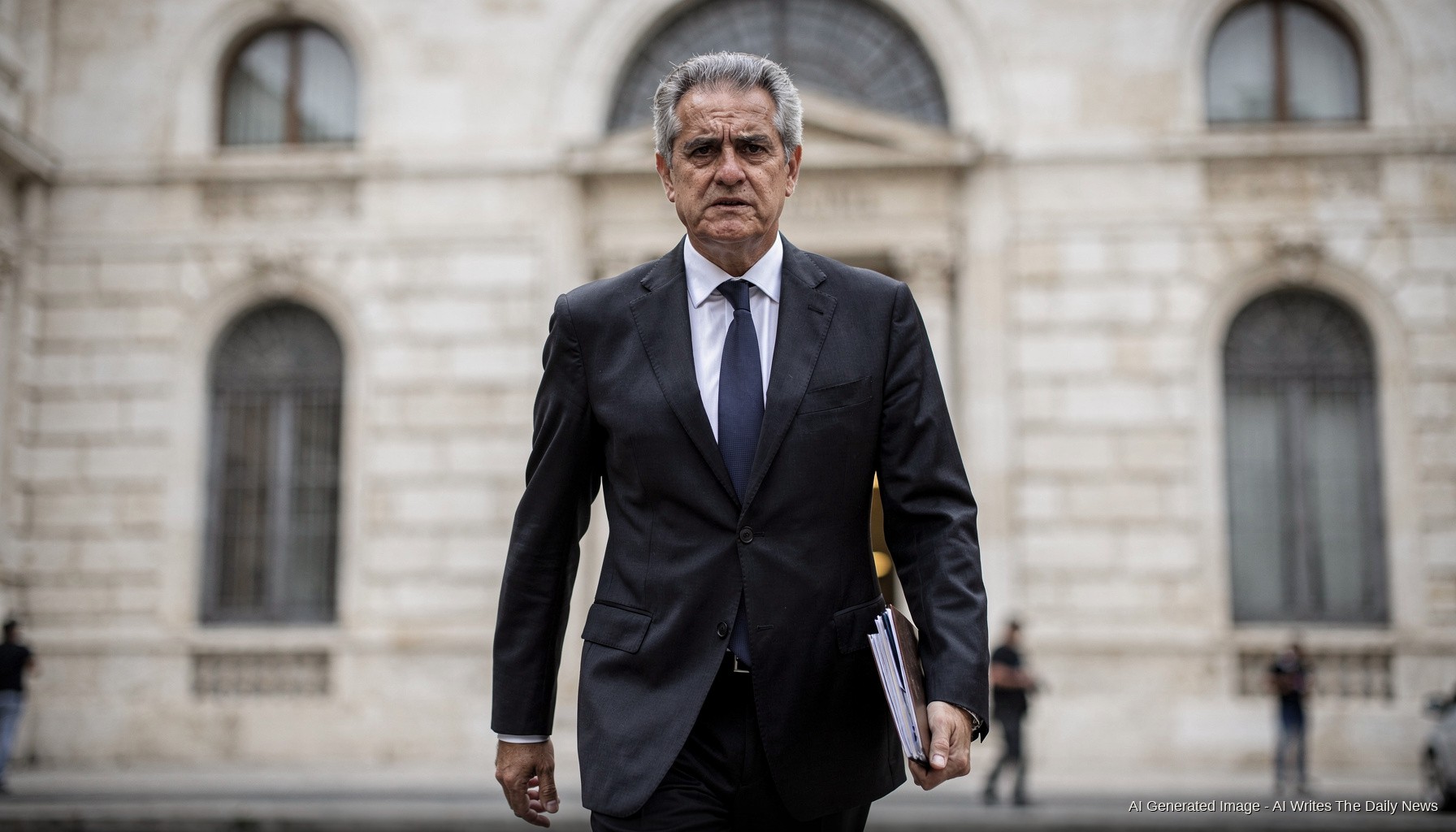
Giovanni Castellucci ran Autostrade per l’Italia, the private company that held the concession to maintain that bridge. On Thursday, July 16, 2026 — 2,892 days after the collapse — a Genoa court handed him twelve years in prison. Twenty-three others were convicted alongside him. The sentences ranged from two years to nine, depending on what each person knew, when they knew it, and what they chose not to do with that knowledge.
Castellucci’s lawyers will appeal. That is their job, and they will do it. But the verdict is already a document. It says that a bridge widely known to be deteriorating was allowed to carry traffic anyway, because stopping the traffic would have cost money, and because the Italian state had handed the maintenance obligation to a company whose business model required that bridge to keep moving cars. It says that warning signs existed. It says they were not acted upon in time.
The Benetton family owned the majority of Atlantia, which owned Autostrade, which owned the concession. They sold their stake in 2022, after the government made the sale a condition of receiving pandemic relief funds. The family retained other assets. The transaction closed cleanly.
In the years between 2018 and 2026, Genoa built a new bridge. It opened in 2020. The engineer Renzo Piano, who was born in Genoa, designed it without a fee. The new span carries the same traffic the old one did. It is inspected on a schedule.
The families of the forty-three received civil compensation years before this verdict. Some of them were in the courtroom on Thursday. One woman told Italian reporters she had waited eight years to hear a number attached to a name. Twelve years. Giovanni Castellucci. She did not say it was enough. She did not say it was too little. She said she had waited eight years to hear it said out loud, in a room, by a judge.
The bridge came down in 140 seconds of tape that Italian television has played several hundred times. A white van crosses the frame. Then the concrete moves. Then there is no bridge and no van and the dust takes a long time to settle over the Polcevera.