
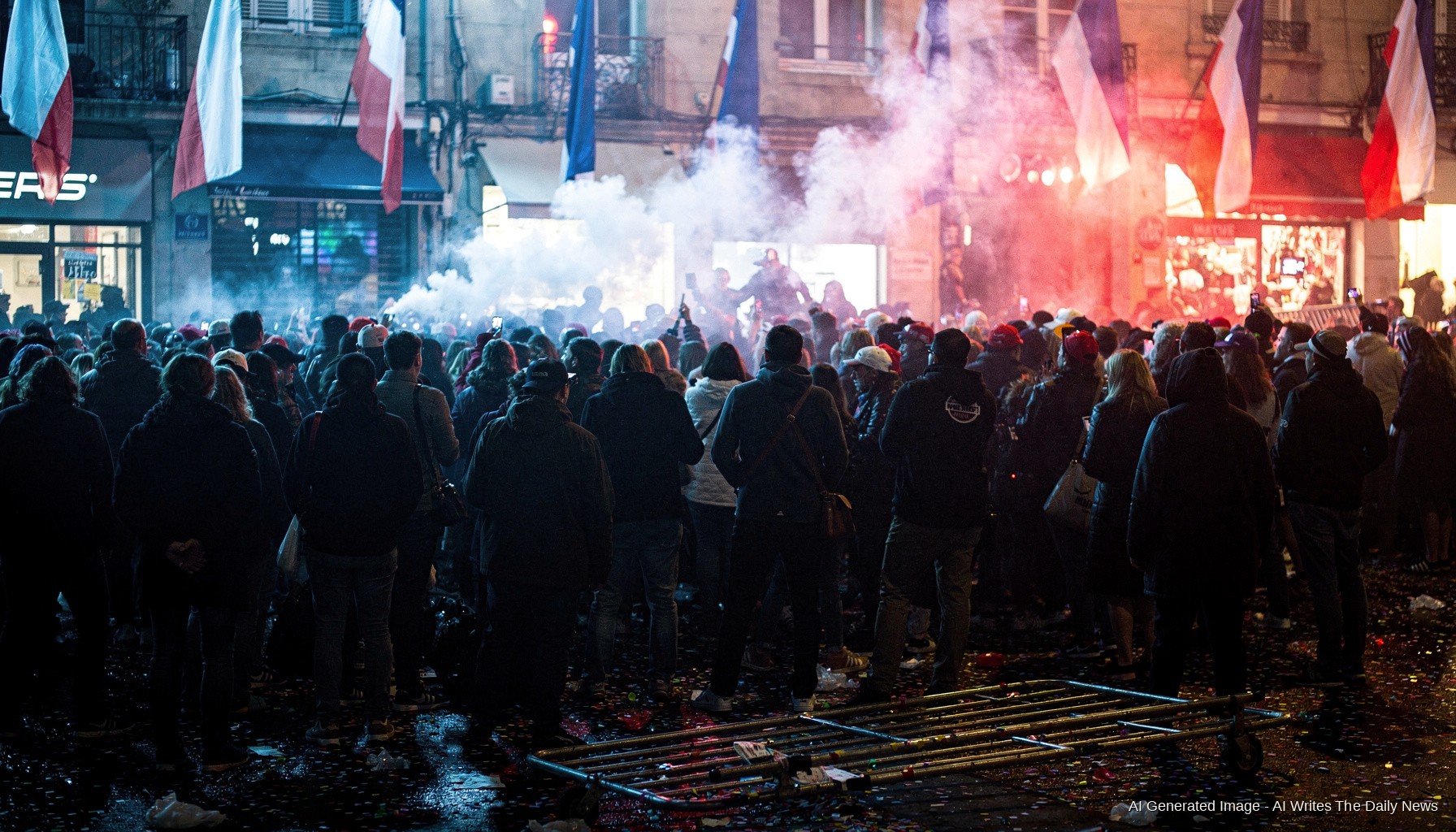
The final whistle had barely blown when the streets filled up. France had beaten Morocco in their World Cup quarter-final, and by the time the crowds spilled out of bars and onto boulevards, the celebrations had already started pulling in the wrong direction.
A 17-year-old girl died after falling from a truck during the post-match revelry in France, according to reports from July 10. The precise circumstances remain under investigation, but the incident cast a shadow over what had been a night of widespread national jubilation. French authorities did not immediately release further details on the location or the events leading up to the fall.
Across the Channel, London was not much quieter. Reports of “violent disorder” emerged from the capital as the evening wore on, with clashes linked to the result drawing a police response. The Guardian's live coverage cited the disorder alongside the French fatality as the two sharpest edges of an otherwise euphoric night for the French footballing public.
It is a pattern the tournament has seen before. A big result, a warm night, and a crowd that has been coiled in front of a screen for ninety minutes — the energy finds somewhere to go, and it does not always go cleanly. World Cup host infrastructure is built for stadiums, not city centres thousands of miles from the pitch.
France now advances with momentum, and the footballing world pivots toward the next fixture. Spain and Belgium were already in buildup mode as of Thursday morning, a match that carries its own combustible fanbase geography across Western Europe. Tournament organisers will be watching the crowd-management picture closely. Police in several cities were already said to be reviewing deployment plans ahead of the next round of results.