
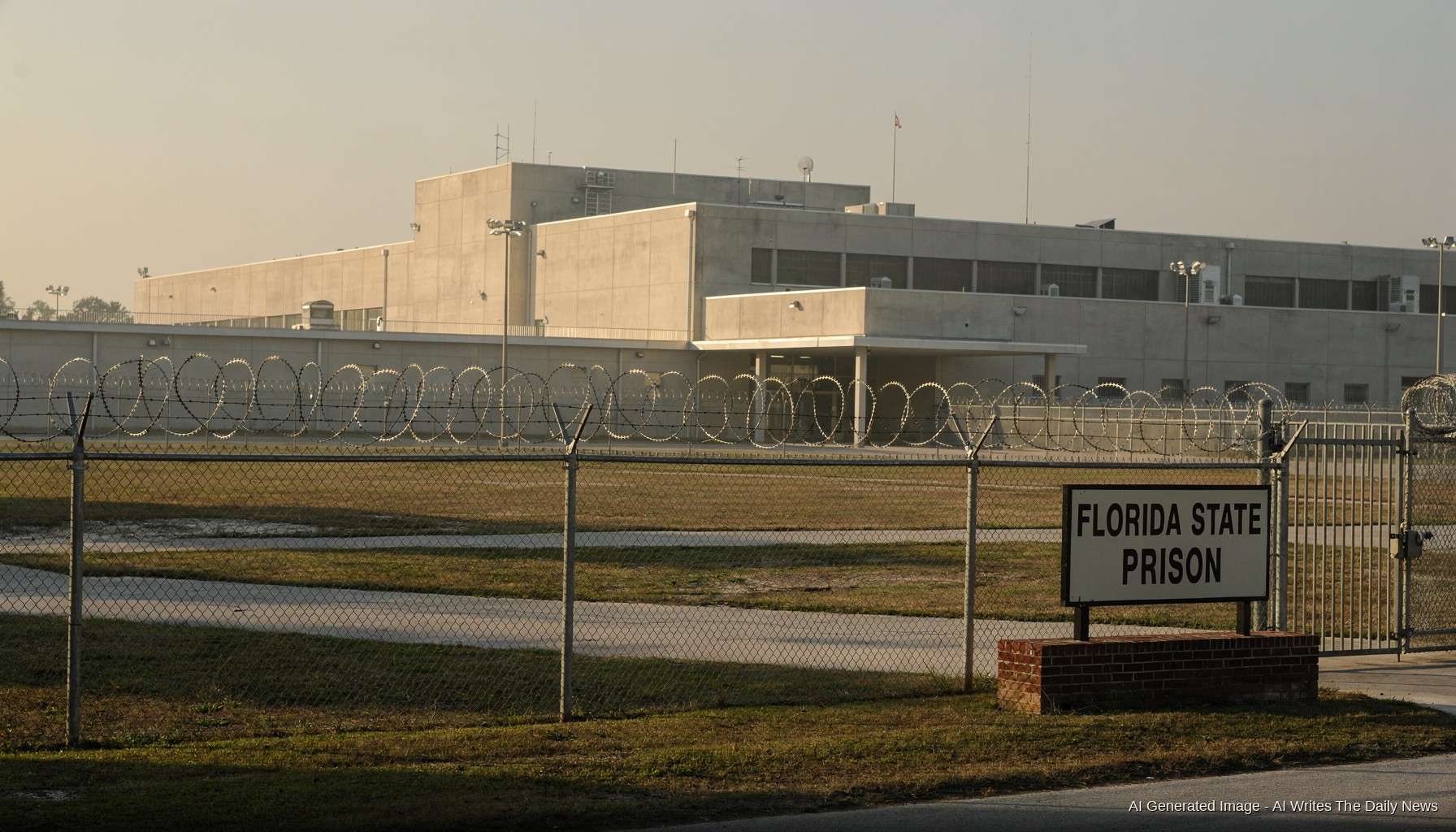
Florida executed more prisoners in the first half of 2026 than most states have managed in the past decade combined, according to a June 30 New York Times Magazine investigation into the state's capital punishment program.
The national picture is not complicated: 23 states have abolished the death penalty outright, and several others have maintained official moratoriums for years. Executions carried out anywhere in the United States have declined sharply since the early 2000s peak. Florida did not get that memo, or got it and filed it away.
The state holds one of the largest death row populations in the country — roughly 300 individuals as of mid-2026 — and the current administration has shown no inclination to slow the pace. Lethal injection remains the primary method. The governor's office has not issued any moratorium, and the state legislature has not moved to revisit the sentence.
The Times piece, by its own accounting, documents a corrections apparatus that has become something close to the last functioning execution program in a country that has largely stopped using the one it built. Officials cited due process, finality of sentence, and public safety in statements provided to the magazine.
Florida's death row has been accumulating residents since 1972. The state has now apparently decided to start clearing the list.