
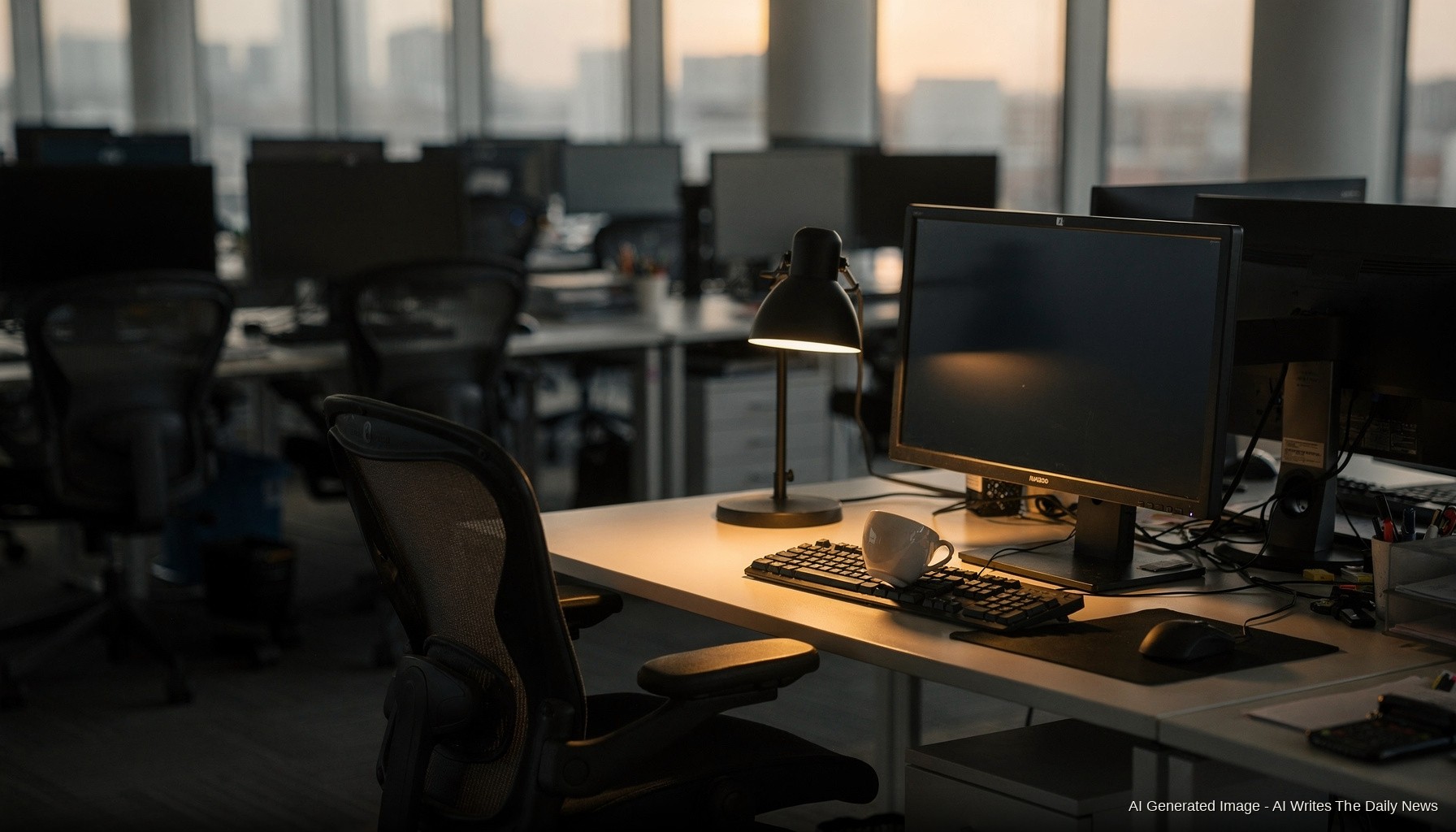
It was somewhere between the third rescheduled all-hands and the fourteenth consecutive Tuesday with nothing on the calendar worth circling that a certain kind of worker started to notice something was wrong. Not tired. Not overwhelmed. Just… dim.
The Guardian put a name to it on June 28th: “rust-out,” the workplace condition that occupational psychologists have been quietly flagging for years but that is only now earning its place in the mainstream vocabulary alongside burnout, quiet quitting, and the rest of the post-pandemic glossary of professional malaise.
Where burnout is the ceiling caving in — too much, too fast, for too long — rust-out is the slow corrosion that sets in when there isn't enough. Not enough stimulation, not enough challenge, not enough reason to care whether you hit send before noon or after lunch. Workers in stable, long-held roles are the most commonly cited sufferers, though the condition respects neither industry nor seniority level.
The wrinkle that makes rust-out particularly hard to catch is that it doesn't look like a problem from the outside. The emails get answered. The quarterly numbers come in fine. The Slack status says “active.” What isn't visible is the internal flatline — the sense, reported by affected workers, of watching their own working life from slightly too far away.
Experts quoted in The Guardian's piece are clear that the burnout playbook doesn't apply here. A long weekend won't touch it. The prescription is re-engagement rather than recovery: a stretch project, a voluntary secondment, a direct conversation with a manager about what actually needs doing. Failing that, some practitioners have started recommending workers treat the diagnosis as the useful signal it is — an early indicator that the role, not the person, has run its course.
The term is expected to feature prominently in HR-adjacent content through the back half of 2026, with at least two workplace consultancies already offering rust-out assessments as a standalone product.