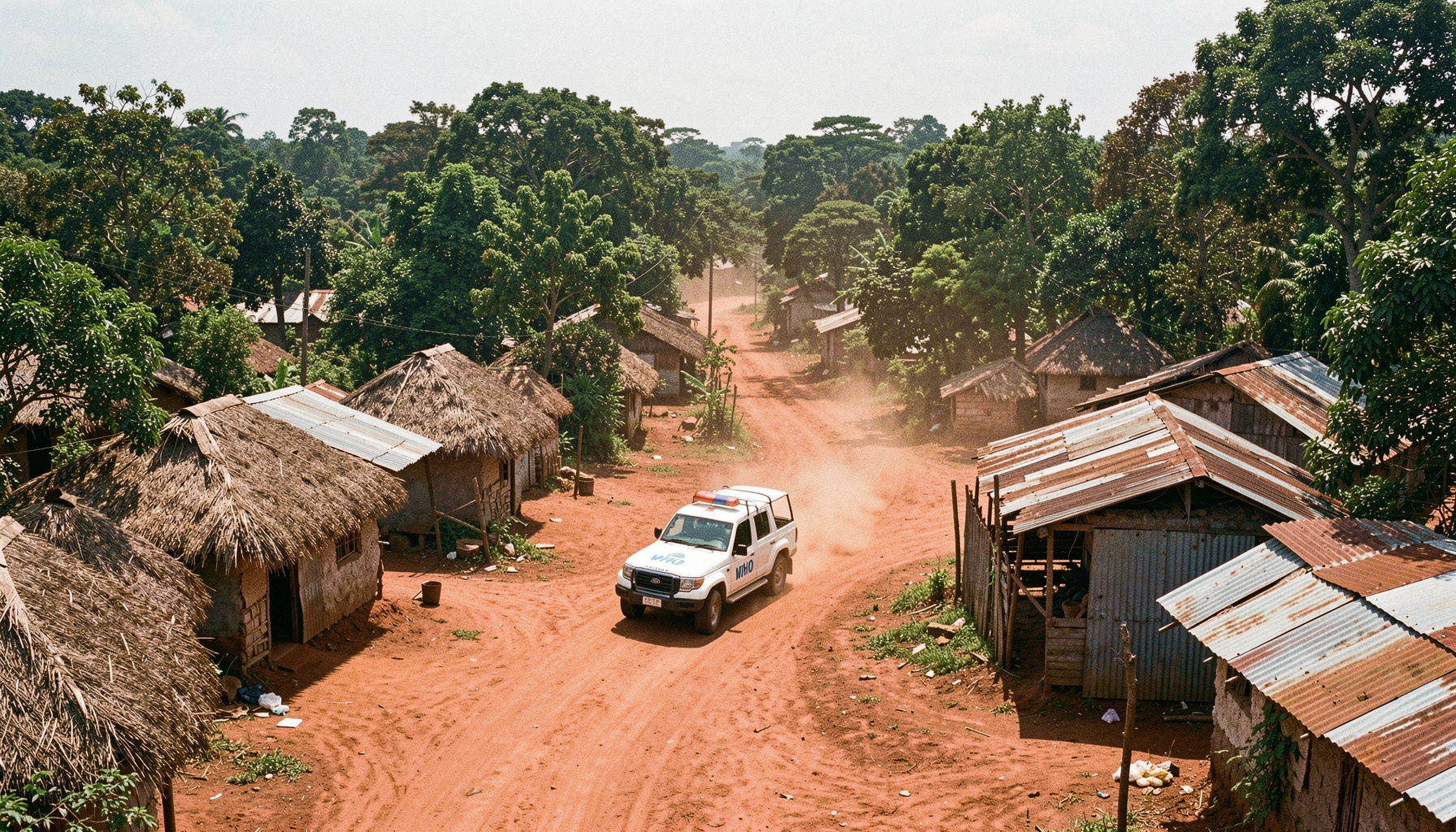
Picture the kind of place that makes outbreak response textbooks sweat: a region already fractured by armed conflict, with supply routes that close without warning and health workers who need armed escorts to reach patients. That is eastern Democratic Republic of Congo right now, and it is where a fresh Ebola outbreak is refusing to follow the script.
The strain at the center of this crisis is Sudan ebolavirus — not the Zaire strain that the existing approved vaccines were built to fight. That single distinction strips away the primary tool global health responders have relied on since the catastrophic 2014–2016 West Africa epidemic. Experimental vaccines targeting the Sudan strain exist, and trials are ongoing, but “ongoing trials” is a long way from a mass rollout in a war zone.
DR Congo is not new to this. The country has recorded more than a dozen Ebola outbreaks since the virus was first identified along the Ebola River in 1976 — more than any nation on earth. Responders have built real institutional muscle there over the decades. What they have not been able to outrun is the conflict. Teams from the World Health Organization and partner agencies have repeatedly pulled back from hot zones when security deteriorates, which it does, frequently.
The human-interest version of this story is the contact tracer who shows up at a household only to find the family has fled further into the bush, or the burial team that cannot reach a village because the road is held by an armed faction that answers to no one in particular. Every gap in the chain is another potential transmission.
WHO has not yet placed a firm case count in public circulation, but the trajectory heading into the second half of the year is not moving in the right direction.