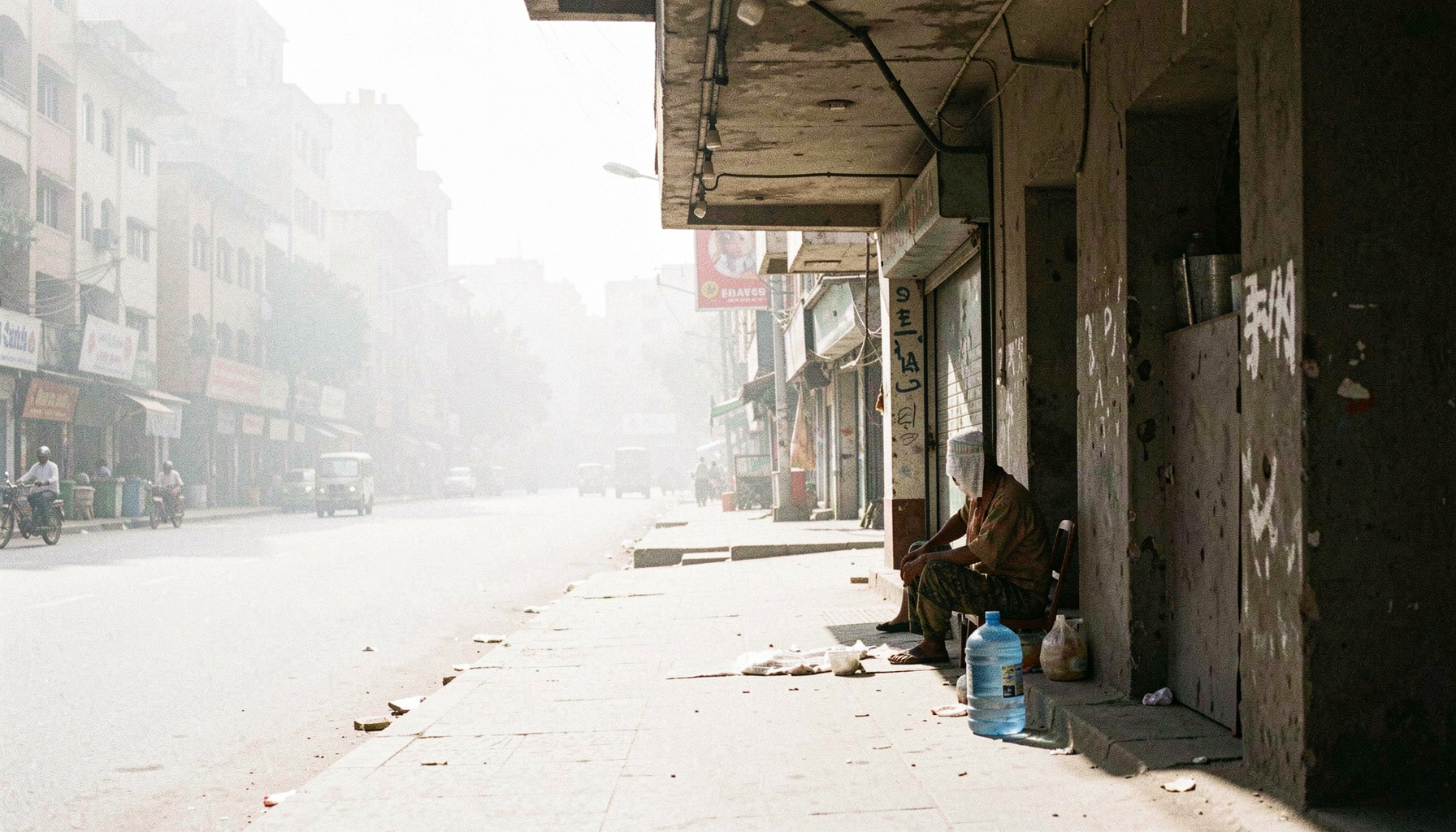
By the time April folded into May, the shade in Karachi had stopped being enough. Temperatures climbed well above what the season historically delivers and, crucially, stayed there — day after day, night after night, the kind of sustained heat that wears a city down rather than shocking it in a single afternoon.
The heatwave baking southern Pakistan in the spring of 2025 has been severe by any measure, but what has unsettled residents and observers most is the creeping normalisation of it. “It’s no longer exceptional,” one local framing of the crisis goes — a five-word sentence that carries more weight than a forecast chart. People are no longer waiting for extraordinary heat to pass. They are managing it as a permanent condition.
Karachi, a coastal megacity of some 20 million people, has always contended with brutal summers. The infrastructure — the power grid, the water supply, the open-air markets where much of daily economic life plays out — was not engineered for the version of summer that is now arriving earlier and staying longer. Rolling outages compound the misery. Without fans or air conditioning, the heat inside homes tracks close to the heat outside.
Across the border in India, the same pressure system has been driving dangerous conditions through multiple states, adding to a regional picture that climate scientists have flagged in successive reports: South Asia’s heat seasons are intensifying, the dangerous days are multiplying, and the window of tolerable outdoor temperature is narrowing for hundreds of millions of people who work, travel, and live outside.
Pakistan’s meteorological authorities have issued advisories throughout the period. The next significant shift in the region’s weather pattern is not expected until the monsoon arrives — currently forecast for late June into July.