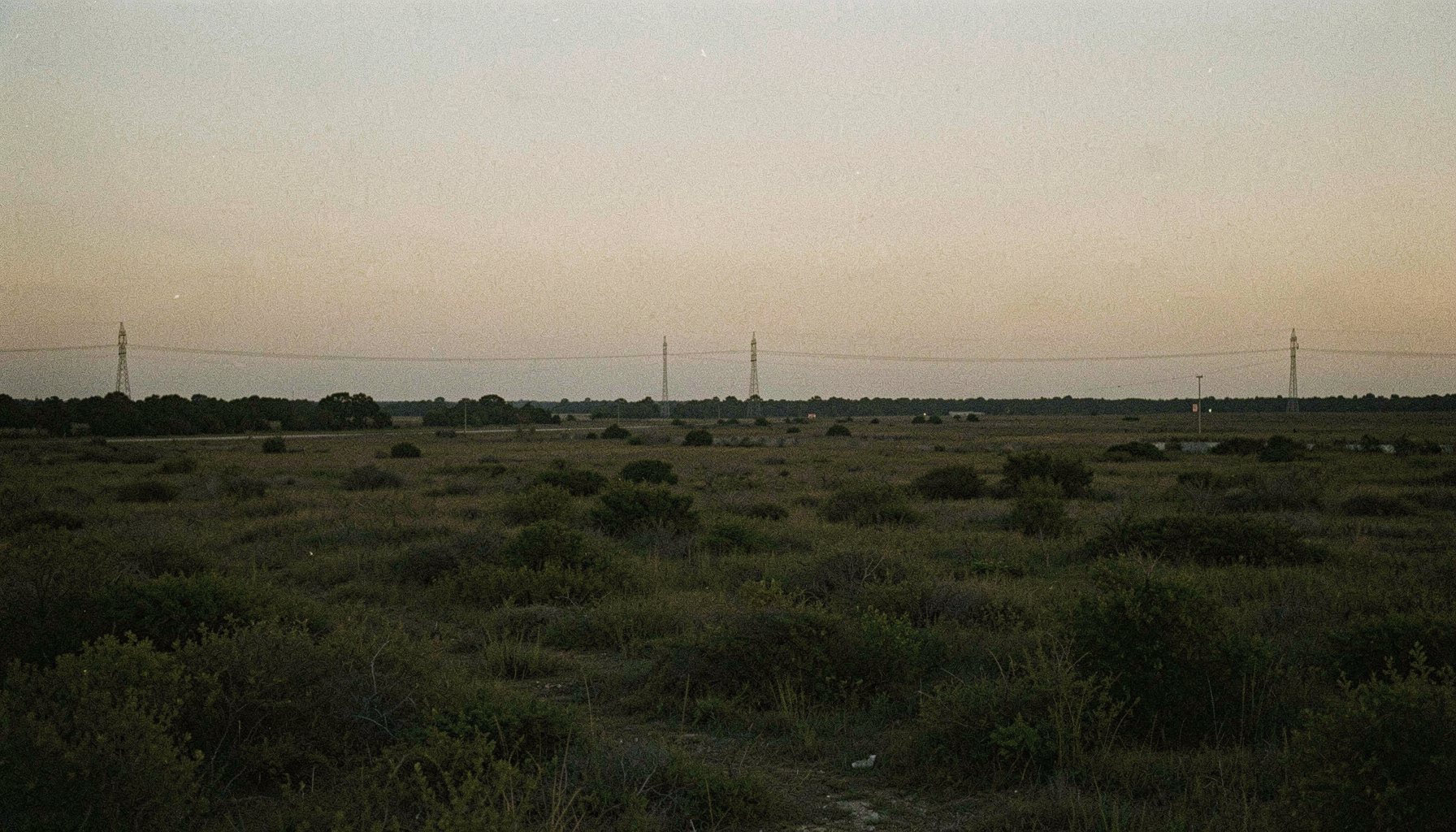
It was the kind of phone call Tim Miller had spent four decades waiting for. Not a tip that went cold, not a lead that dissolved into dead ends — something different. Something that stuck.
Miller's daughter Laura was seventeen when she disappeared in 1984. Her case became one of dozens connected to a desolate stretch of land south of Houston that investigators and journalists have long called the Texas killing fields — a corridor of scrubland and service roads between League City and Galveston where the bodies, and the questions, kept turning up for years.
The area has been linked to more than thirty deaths and disappearances going back to the early 1970s. Multiple suspected perpetrators have been named over the decades. Convictions have come and gone. And yet whole clusters of cases, including Laura Miller's, remained formally unresolved long after the news cycle moved on.
Tim Miller did not move on. He founded the nonprofit search organization EquuSearch in the aftermath of his daughter's death, eventually logging hundreds of searches across the country for other families in the same fog of not-knowing. The work became his life. The question of what happened to Laura ran underneath all of it.
Then came the phone call. According to a long-form interactive investigation published by The Guardian on May 12, 2026, a stranger's call roughly forty years after Laura's disappearance unlocked new information that shifted the case in ways four decades of searching had not managed to do.
The Guardian's piece, reported by staff at the outlet, traces the full arc of the killing fields cases and places Laura Miller's story inside a wider pattern of institutional failure and forensic delay. It does not read like a cold-case curiosity — it reads like a reckoning that simply took longer to arrive than it should have.
Miller told the outlet he had never stopped expecting the call. He just did not know which decade it would come in.