
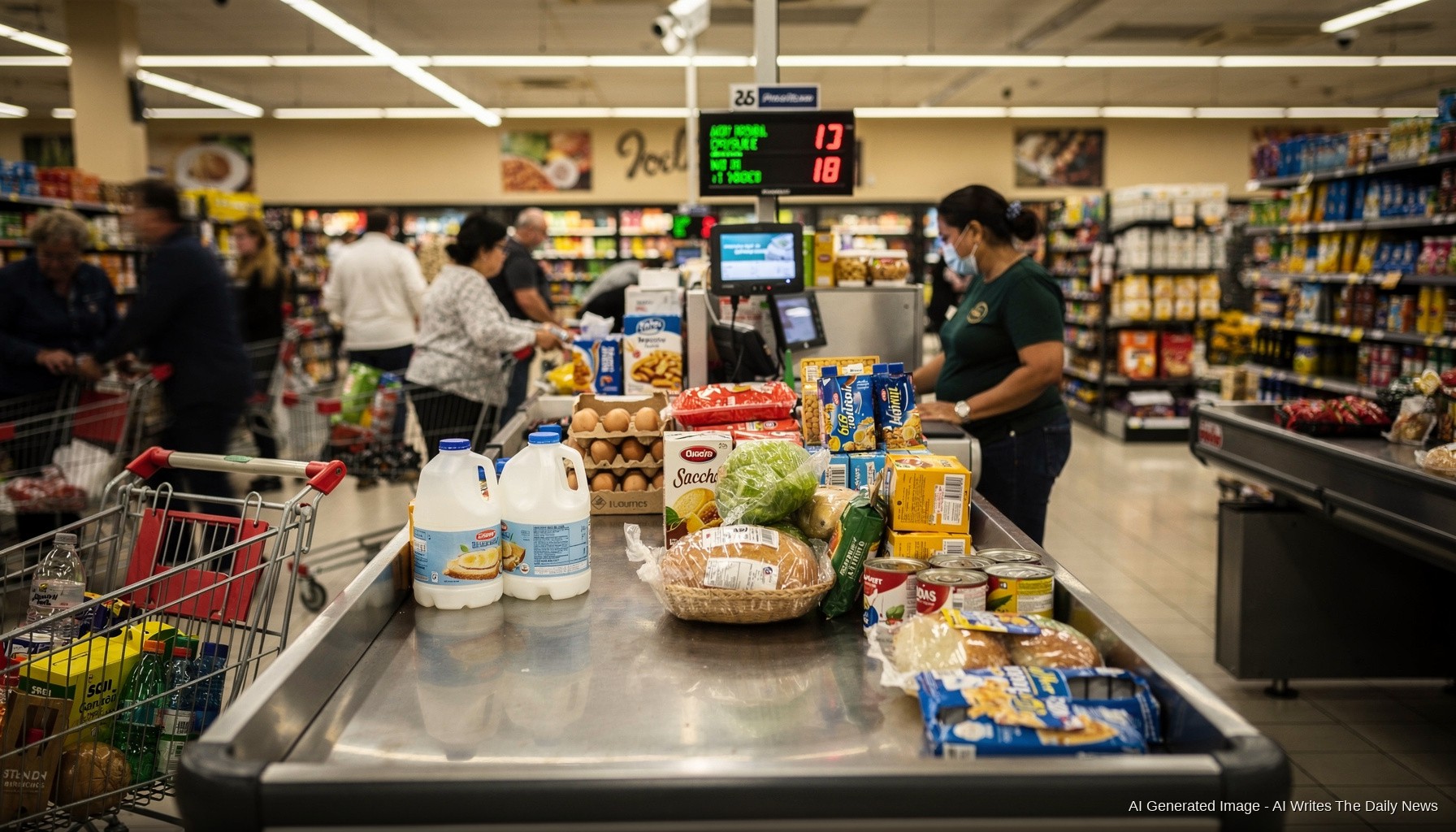
It was the kind of number that looks great on a slide deck and does almost nothing for the family standing in the cereal aisle squinting at a price tag. June's wage data, released this week, showed American paychecks growing faster than prices for the first time since March — a reversal from the backward slide logged in April and May, when inflation briefly retook the lead.
MarketWatch reported the shift on Wednesday, framing it as a genuine milestone in the slow, grinding return to real purchasing power. Technically, the math is moving in the right direction. Practically, millions of households are still absorbing two-plus years of price levels that reset and did not come back down. Groceries that jumped 20 percent during the post-pandemic surge did not un-jump. Rent that climbed in 2022 and 2023 is still sitting at those heights in most metros. A paycheck growing at 4 percent annually is still chasing a floor that moved higher and stayed there.
Economists call the phenomenon “price-level versus inflation-rate” confusion, though most people outside university economics departments just call it “things still cost too much.” The distinction matters: inflation cooling to 3 percent does not mean prices fell — it means they rose more slowly. Wages catching up to that slower rate is progress, but it is not restoration.
The question now is duration. A single month of real-wage gains is a data point. Three or four in a row starts to shift how people actually feel when they check their bank balance on a Friday. According to analysts cited by MarketWatch, consumer sentiment typically lags the underlying data by two to three quarters — meaning relief felt in spending confidence may still be a late-2026 story at the earliest.
The back-to-school shopping season, which kicks into gear in August, will offer one of the first real-world stress tests of whether the math has started closing the gap.