
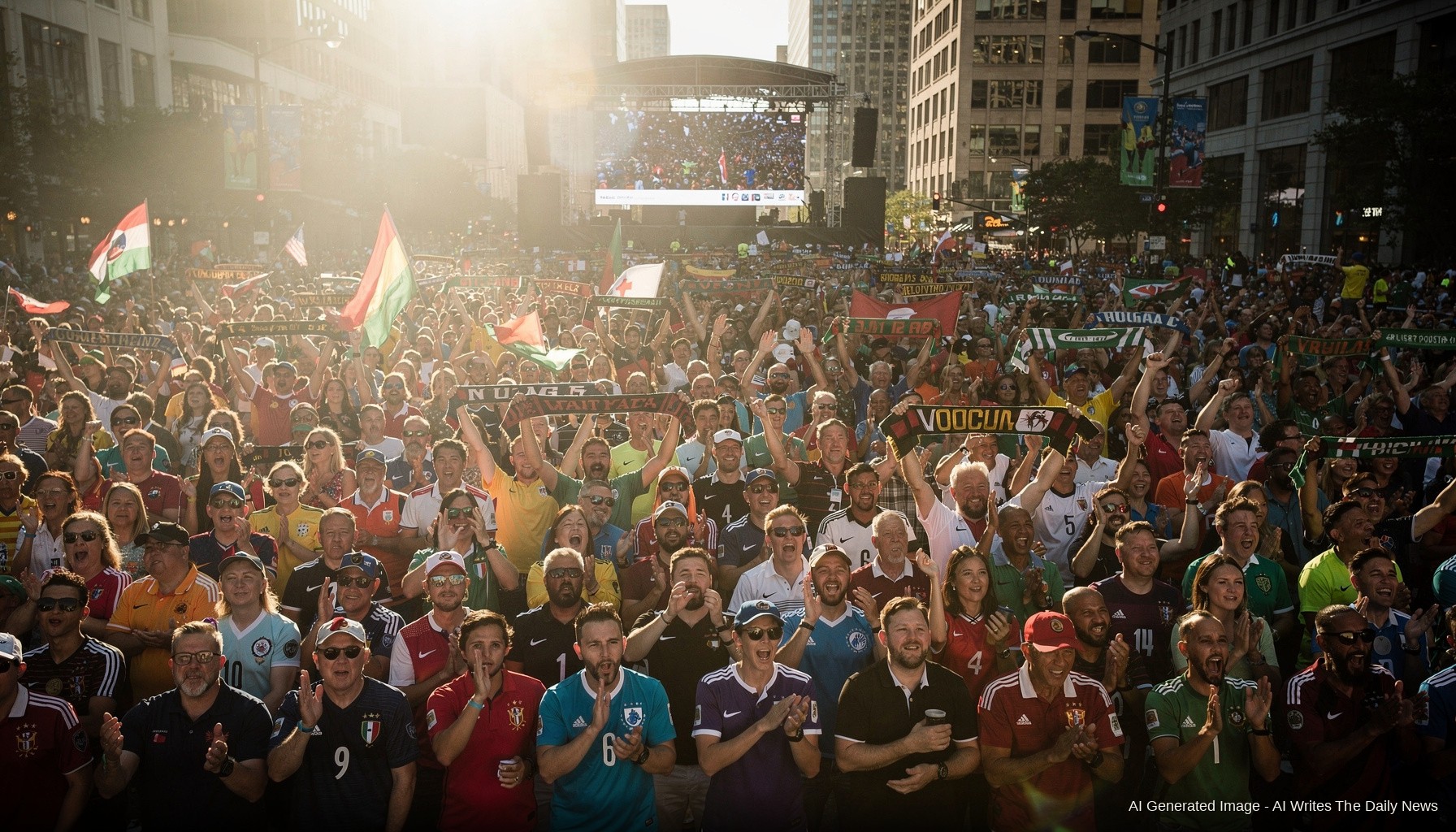
The World Cup came back to the United States this summer for the first time since 1994, and before a single ball was kicked, Nike and Adidas had already started the real match. It is not played on grass. It is played in mall corridors, on Instagram grids, and in the stadium concourse queue where someone decides which replica jersey is worth $140.
According to a July 9 report in The New York Times, the two sportswear titans have committed enormous resources to the 2026 tournament, each betting that an American audience newly warmed to the sport is ready to become a loyalist. The framing the Times uses is precise: this is a fight for second place. Neither brand is claiming the outright global throne — that argument shifts depending on the quarter and the metric — but both recognize that whoever plants a deeper flag in the U.S. soccer market this summer will carry the advantage into the next cycle.
The mechanics are familiar to anyone who watched the Premier League commercialize through the 1990s. Kit deals with national federations lock in the shirt on the pitch. Athlete endorsements lock in the face on the billboard. But the American consumer presents a specific opportunity: decades of NFL, NBA, and MLB brand conditioning mean soccer fandom here is still forming its retail habits. There is no inherited tribal loyalty to a particular boot sponsor. That is, marketers will tell you quietly, a very expensive kind of blank canvas.
Adidas has historically held stronger equity in European and South American soccer culture. Nike has the broader U.S. footprint and the deeper college-sports pipeline. The World Cup on American soil is the clearest possible test of which advantage travels further. The group stage results will be on the scoreboard within weeks. The brand results will take a quarter or two longer to read.