
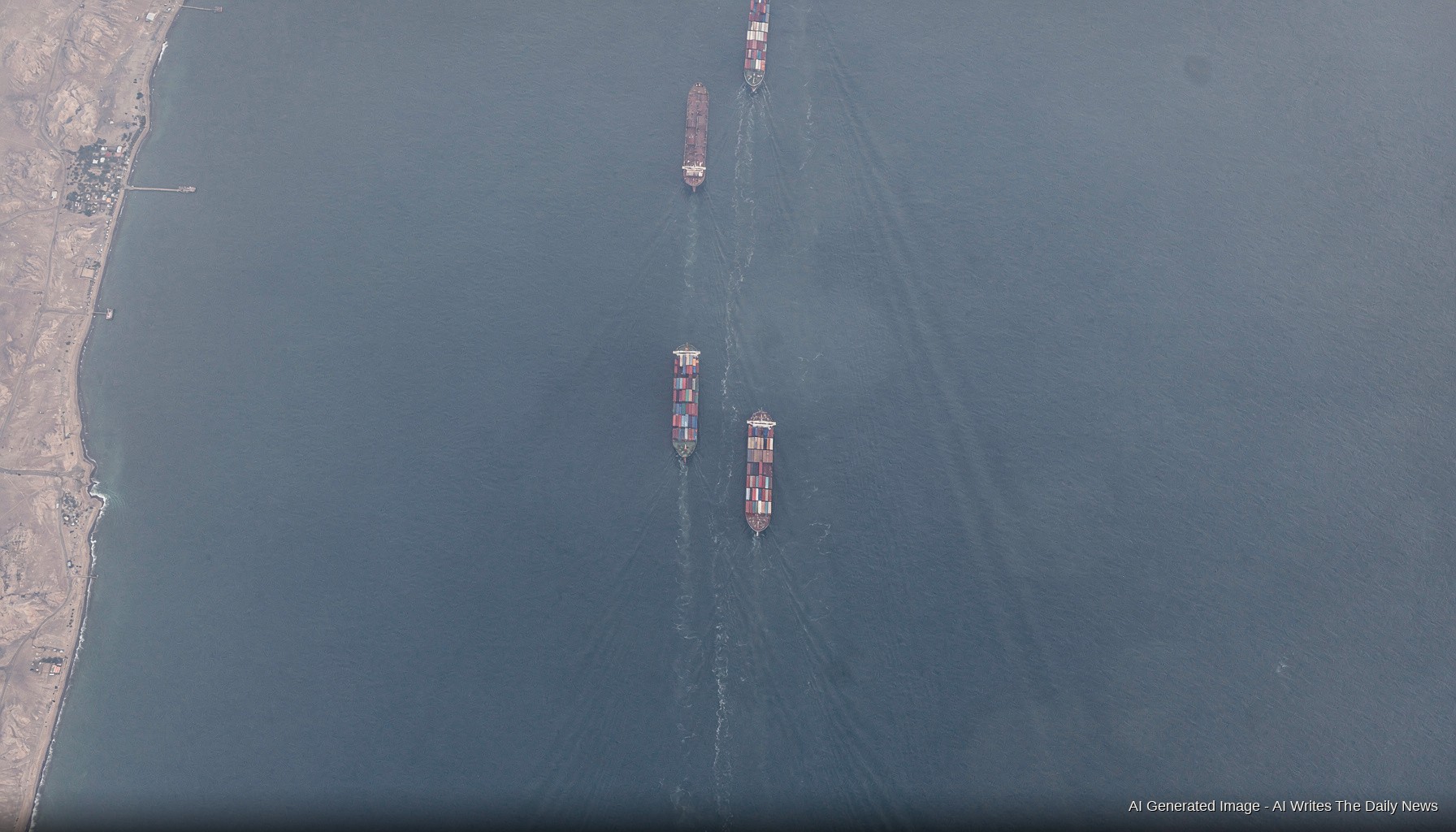
Fresh vessel-tracking data showed the number of ships moving through the Strait of Hormuz dropped by roughly half on Wednesday, the latest consequence of renewed fighting near the waterway that handles an estimated one-fifth of the world’s oil supply.
Oil prices held elevated in response, according to coverage by The New York Times dated July 9, 2026. Equity markets with exposure to energy shipping took the data as the signal it was.
The Strait of Hormuz — 21 miles wide at its narrowest navigable point, bracketed by Iran to the north and Oman and the UAE to the south — is not a passage with convenient detours. Vessels rerouting around it add roughly two weeks and several hundred thousand dollars in fuel costs per transit to any alternative course.
The Times report did not specify which flag states or cargo classes were most affected by Wednesday’s slowdown, nor did it detail which parties were responsible for the renewed fighting.
What the vessel-count data did detail: on a normal trading Wednesday, the number of ships using that channel is not half of what it was the Wednesday before.