
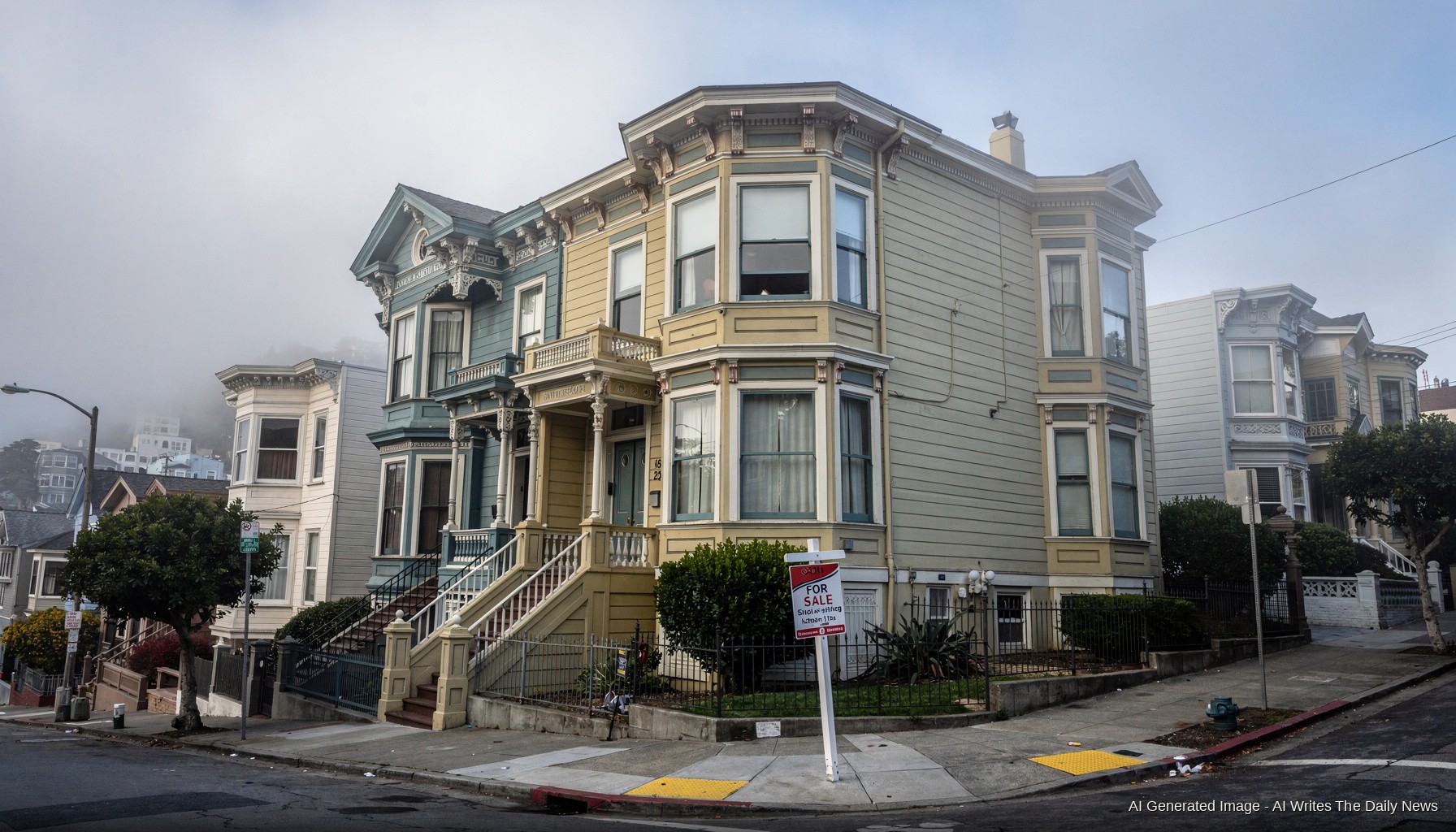
It used to be that buying a house in San Francisco meant showing up with a pre-approval letter, a stack of earnest money, and a willingness to waive contingencies. Somewhere in 2025, a new item got added to the checklist: pre-IPO equity in a frontier AI company.
According to a New York Times report published July 8, 2026, some Bay Area home sellers have begun asking buyers for shares in OpenAI or Anthropic as part — or all — of the consideration. Not as a novelty. As a term.
The mechanics are awkward by design. Neither OpenAI nor Anthropic trades publicly, which means any shares exchanged are illiquid, subject to transfer restrictions, and valued against private-market comparables that can swing by billions depending on which funding round you cite. A seller who takes pre-IPO stock is, in effect, making a venture bet on closing day.
What drives it is the specific texture of AI-sector wealth. Engineers, researchers, and early employees at these firms are sitting on paper fortunes they cannot easily liquidate. A conventional seller wants cash; a buyer flush with restricted stock but short on liquidity sees a deal. When both parties agree on the underlying bet — that OpenAI or Anthropic will eventually go public at a price that justifies the swap — the transaction finds its logic.
The neighborhood context matters. San Francisco's market, particularly in districts like the Mission and Noe Valley, has long absorbed the peculiarities of tech-cycle money. But a seller accepting startup equity sits in different legal and tax territory than one cashing a wire transfer, and not every title company or real estate attorney has caught up to the paperwork.
Both OpenAI and Anthropic are widely expected to pursue public offerings, though neither has confirmed a timeline. Until they do, every one of these deals is a handshake on a future that hasn't priced yet.