
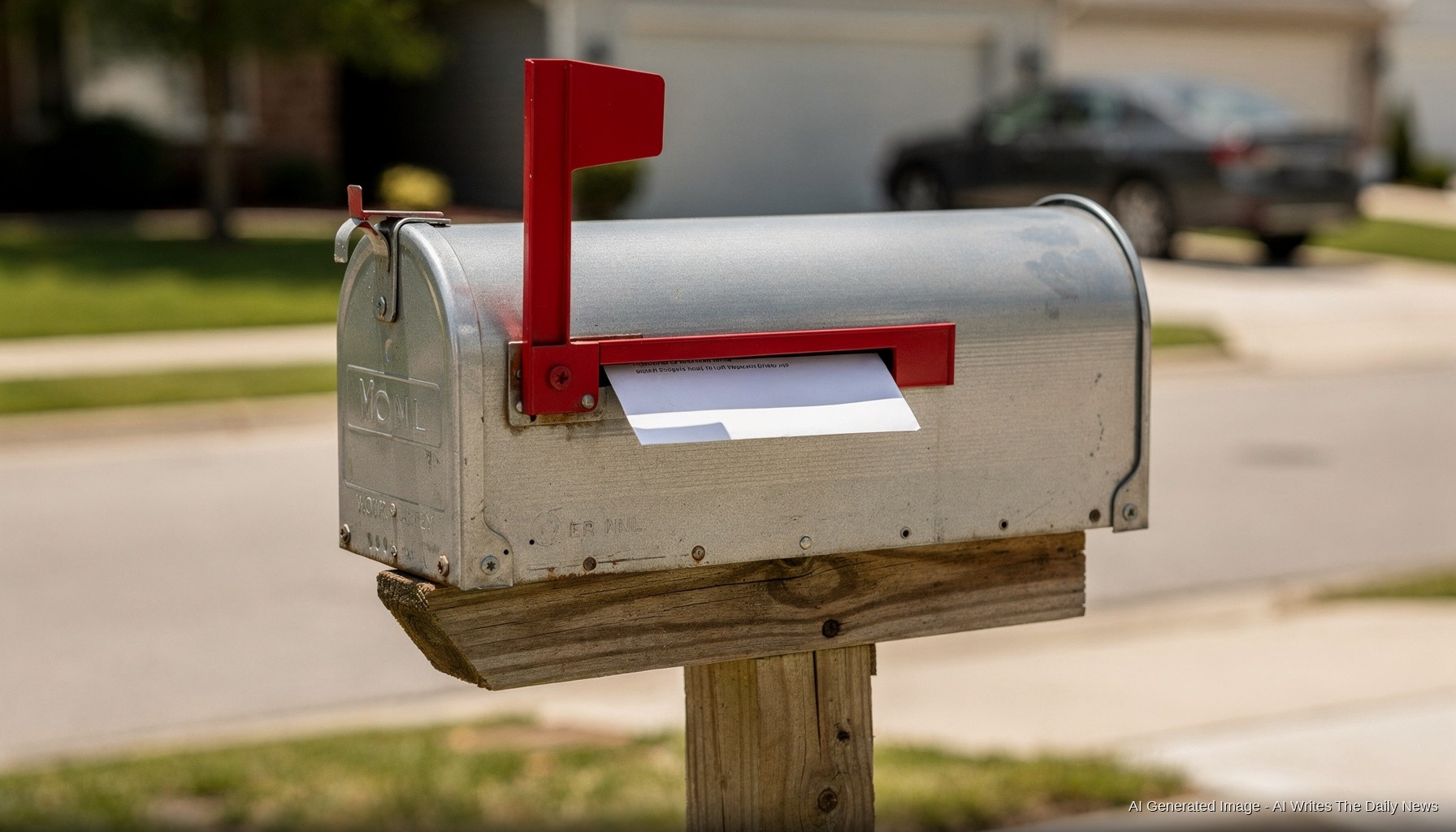
It is a Tuesday-morning ritual that has not changed in decades: pen the check, lick the envelope, flip up the mailbox flag, and forget about it. Except the fraud experts would very much like you to stop.
A surge in what investigators call “mail check washing” has pushed consumer-finance reporters and bank-security teams to renew warnings about the humble paper check. The scheme is straightforward: a thief lifts an envelope from a residential mailbox or a freestanding blue USPS collection box, removes the check, and uses common chemicals — acetone, bleach-based solutions — to erase the payee name and, sometimes, the dollar amount. A fresh name goes in. The check clears. The original account holder has no idea until the monthly statement arrives, if they are even looking closely enough to catch it.
The New York Times reported on the pattern in late June 2026, citing fraud specialists who noted that the crime is low-tech, hard to prosecute individually, and disproportionately costly for people who write checks infrequently and monitor statements loosely. Older adults and small-business owners writing rent or vendor payments by check are among the most exposed groups flagged by financial advisers.
The practical guidance coming out of most banking and consumer-finance circles is consistent: migrate to online bill pay, ACH transfers, or payment apps for recurring obligations. For anyone who genuinely cannot avoid a paper check — a landlord who insists, a small contractor with no digital option — the standing advice is to hand the envelope directly to a postal clerk rather than drop it unattended. Banks also encourage customers to enroll in transaction alerts so that an unexpected debit triggers a phone notification before the week is out.
The USPS has added collection-box locks and increased pickup frequency in targeted ZIP codes, but the agency has not publicly confirmed a national timeline for broader security upgrades.