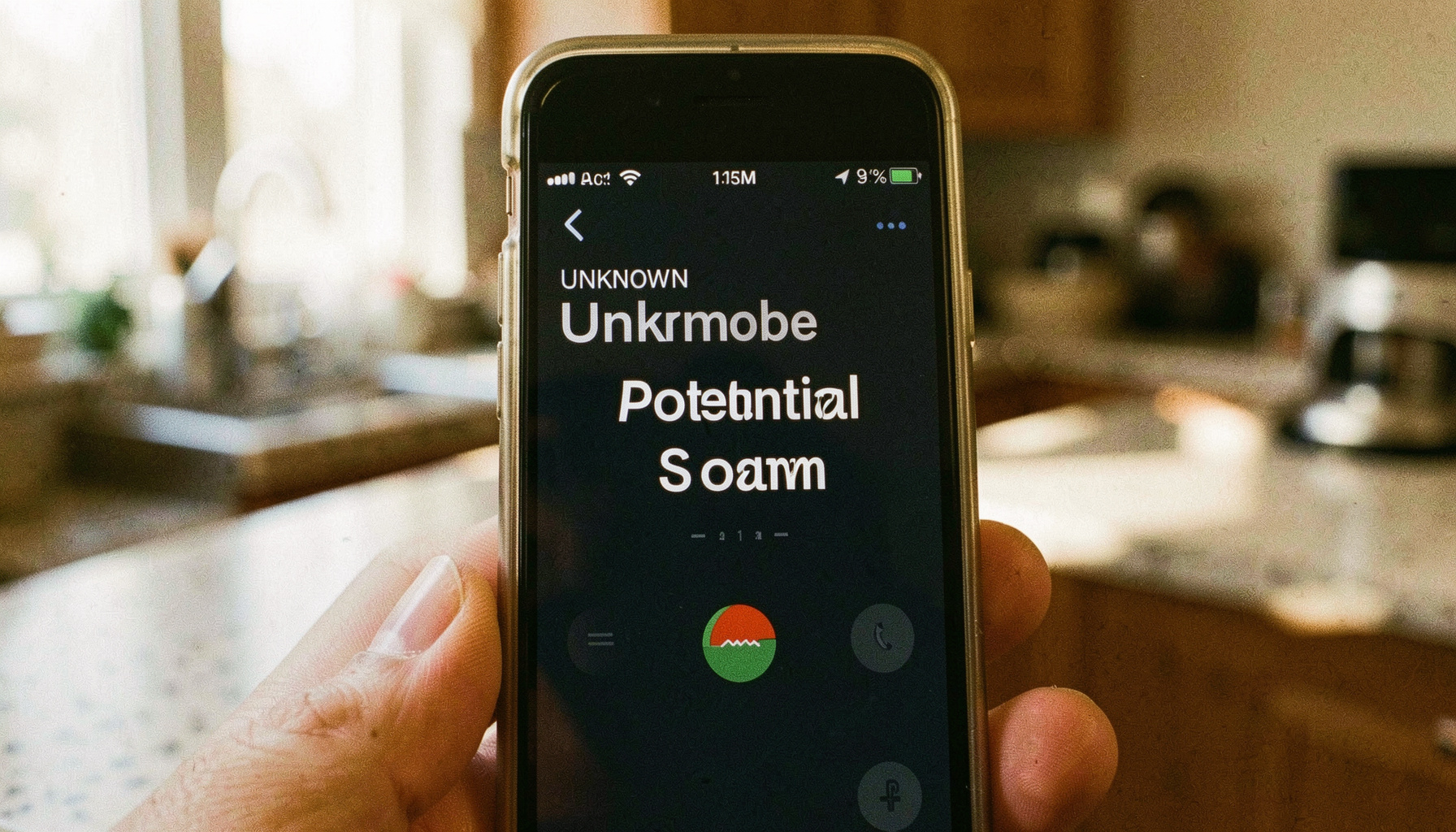
Everyone has a robocall story. The warranty on a car you sold three years ago. The Social Security number that needs “immediate verification.” The cruise you definitely won. For most of the last decade, the calls were irritating in a low-grade, mute-and-move-on way. That calculus is changing.
The Federal Communications Commission announced a push this week to bring customer-service call centres back to U.S. soil — a move framed around jobs and accountability. But buried in the regulatory conversation is a harder problem: AI-generated scam calls that sound, increasingly, like people you trust. A bank representative. A grandchild. A doctor's office. MarketWatch reported on the gap Friday, noting that the rules regulators currently hold were drafted for a simpler robocall environment — pre-voice-cloning, pre-large-language-model, pre-“we can generate a convincing version of your mother in under a minute.”
The FCC can fine the operators behind traditional autodialers. The AI-voice pipeline is murkier — multiple layers of software vendors, offshore infrastructure, and spoofed numbers that make the enforcement chain hard to follow and harder to prosecute. Regulators have acknowledged the gap publicly and signalled that new rulemaking is in progress, but nothing binding is yet on the books.
In the meantime, the FTC's most recent annual data put consumer losses to imposter scams — the category that swallows most phone fraud — at roughly $2.7 billion for a single reporting year, a figure that consumer advocates say undercounts actual losses because most victims never file a report.
The FCC's call-centre repatriation effort is expected to move through the comment period in the coming months. The AI voice-scam rulemaking has no announced timeline yet.