
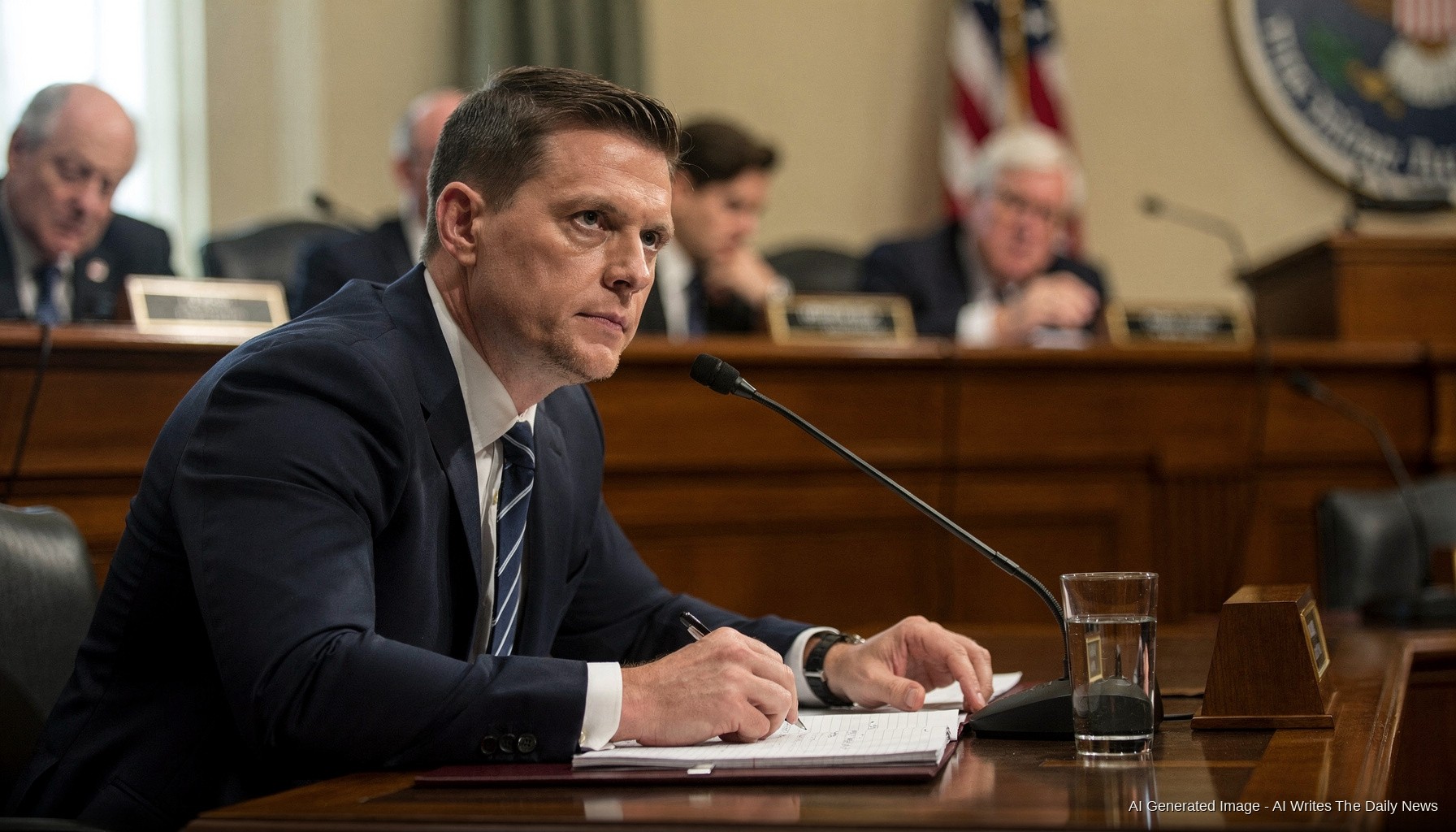
It was a Tuesday in late July, the kind of swampy Washington afternoon when you would rather be anywhere else, and Pete Hegseth was not having a good one. The Defense Secretary had come to Capitol Hill with a number — $67 billion — and a job to do: convince Congress to fund the ongoing Iran war. By the time he left, he had done neither particularly well.
The hearing, which drew sharp questioning from members on both sides of the aisle, quickly moved past the pleasantries. Lawmakers wanted specifics: the strategic objectives, the cost projections, the endgame. What they got, according to multiple accounts and widely circulated clips from the session, were answers that ranged from vague to visibly unprepared. The room, by most readings of the room, was not persuaded.
Clips of the exchanges were moving fast on social media by Tuesday evening, the kind of highlight-reel moment that turns a budget hearing into a news cycle. Critics framed it as evidence that the administration lacks a coherent case for the conflict. Supporters had less to work with than usual.
The $67 billion ask is not small by any measure. For context, the entire annual budget of the Department of Housing and Urban Development runs around $70 billion. Congressional appropriators who were already skeptical of the Iran war's scope and cost now have fresh footage to anchor their objections.
Hegseth's office had not issued a detailed public response to the hearing's reception as of Tuesday evening. The supplemental funding request now moves into a congressional calendar that has other things on its mind and a few more clips to replay before it decides.