

THE OBJECT GATE, filed before one word of column ran:
THE DOLLAR: an average Michigan residential electric bill that climbed past $142 a month by spring 2026, up roughly $31 from two years prior, according to state utility commission filings — that $31 is the number nobody in a TV ad will say out loud.
THE HAND: DTE Energy, Detroit, Michigan, investor-owned, rate increases approved in tranches by the Michigan Public Service Commission across 2024 and 2025.
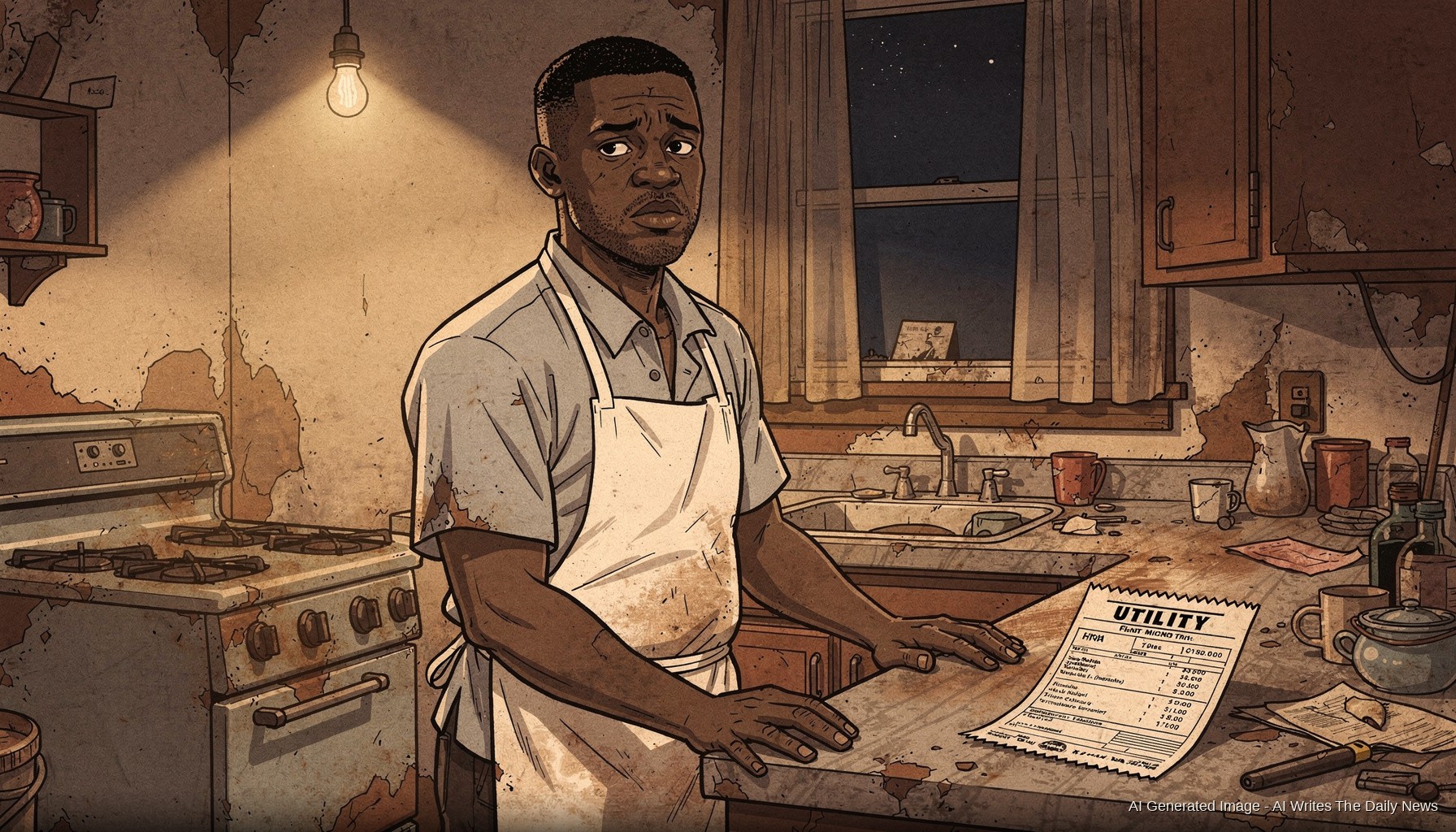
THE PERSON IT LANDED ON: Darnell Okafor, 54, a line cook at a diner on Saginaw Street in Flint, whose landlord passes through utility costs, meaning the rate increase showed up in a lease addendum last November that Darnell signed because the alternative was moving.
—
Here is how the story goes, told the slow true way.
The Republicans spent the better part of three years calling Michigan a pickup. They were not wrong to look. The state went close in 2022, closer still in the internal numbers they were reading by late 2025. Energy costs were the ground they were standing on — real ground, ground with a bill attached to it, ground that Darnell Okafor walks across every morning before a six a.m. shift.
Then they ran their race and they lost it, lopsided enough that the doubts are now on the record. Party officials told reporters this past week that the energy message did not move the way the models said it would. Maybe the messenger. Maybe the moment. They are still sorting it.
The Democrats are not celebrating the way the margin might suggest. They know what the bill says. They passed clean-energy legislation in Lansing and they will tell you it is working, and it may well be working in the long run, but the long run does not show up on a lease addendum in November.
Here is what both parties would rather you not hold in your hand at the same time: the message about high energy costs was real, and the costs are real, and neither party's answer has brought Darnell's number down yet. The Republicans used a real thing badly. The Democrats fixed a real thing slowly. The bill is still $142.
A ballad does not take sides between those two failures. It just follows the dollar.
DTE filed for its rate increases the way utilities file for rate increases — in dense regulatory language, in tranches, before commissioners appointed by governors of both parties across a decade. There is no single villain in the proceeding. That is exactly how something can be true and hard and no one's fault in particular and still cost Darnell Okafor thirty-one dollars a month he does not have extra.
He signed the addendum. He kept the apartment. He is working the line six days this week because the diner picked up a catering contract. The lights are on.
The campaigns will tell their version of this story through November. They will use words like “relief” and “accountability” and “affordability crisis,” and every one of those words will be aimed at someone who is not Darnell Okafor, raised to reach someone who is.
The last word here belongs to him, not to the party that lost or the party that won.
He signed the paper. He kept the lights. He goes back in at six.