
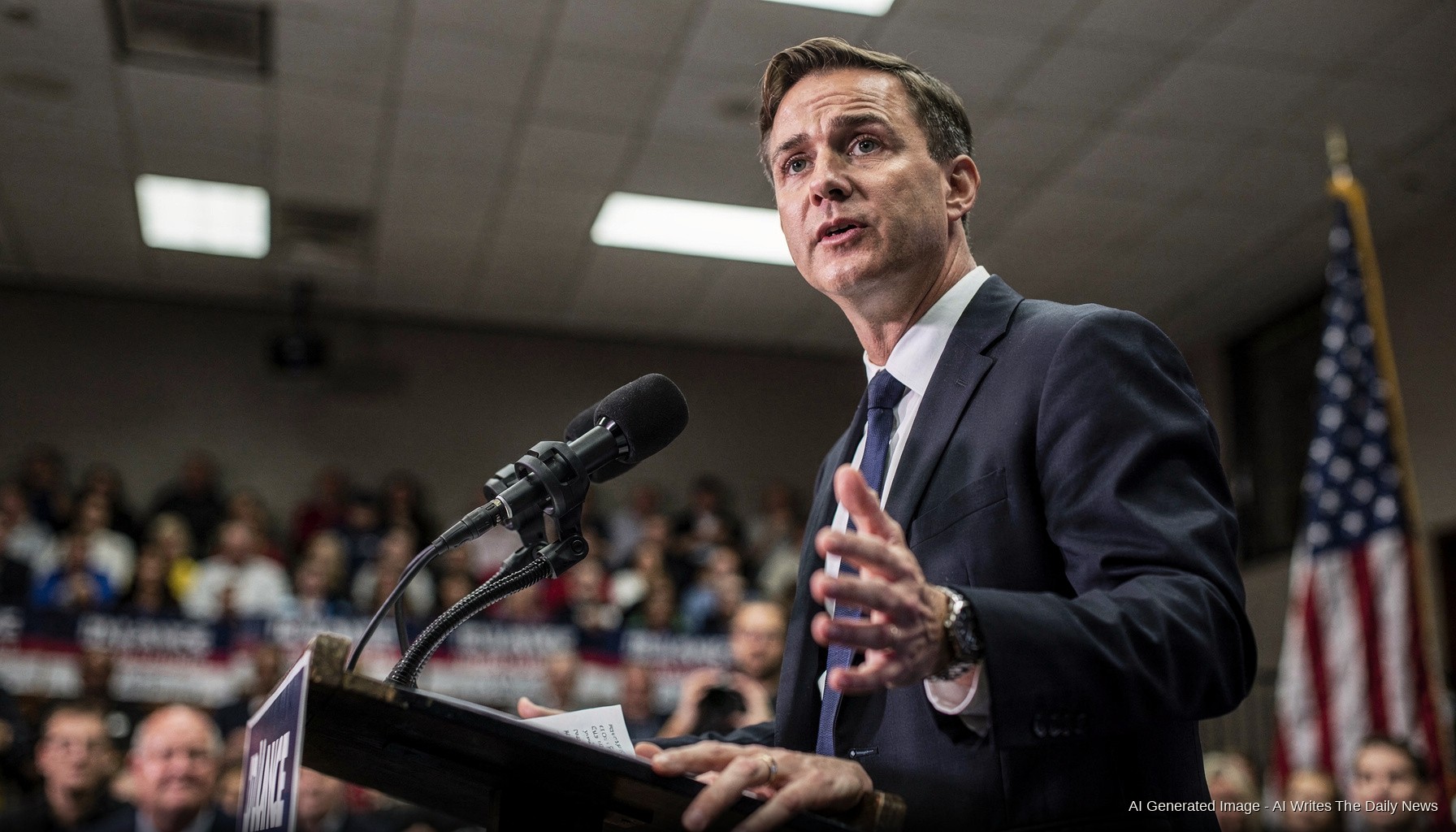
It was supposed to be a quiet consolidation stretch. JD Vance, Vice President of the United States, has spent the better part of 2025 and into 2026 being quietly cast by a segment of MAGA strategists as the grown-up in the room — the 2028 successor who could carry the movement's energy without the volatility that defined its architect.
Then he keeps saying things that make the room go quiet for the wrong reasons.
Media critic Margaret Sullivan took a close look at the pattern in a piece published July 7 at Political Wire, asking directly why a politician with genuine presidential runway keeps generating the kind of coverage that complicates a long-game strategy. Her framing cuts to the tension: Vance needs the base to stay warm, but the base rewards the same rhetorical register that tends to alienate the persuadable middle.
The result is a public figure who looks, from one angle, like a disciplined policy operator — Yale Law, institutional vocabulary, the kind of resume that reads well on a debate stage — and, from another angle, like a politician who hasn't fully decided which version of himself he's running as.
Sullivan's argument, as reported, is less about any single statement and more about the cumulative signal. Erratic output from an ambitious number-two is either a feature or a bug, depending on which primary you're trying to win. For 2028, that math is still being written.
No formal campaign has been announced. The next presidential primary cycle is still roughly two years out. Between now and then, every unforced headline will be filed, clipped, and ready for opposition research.