
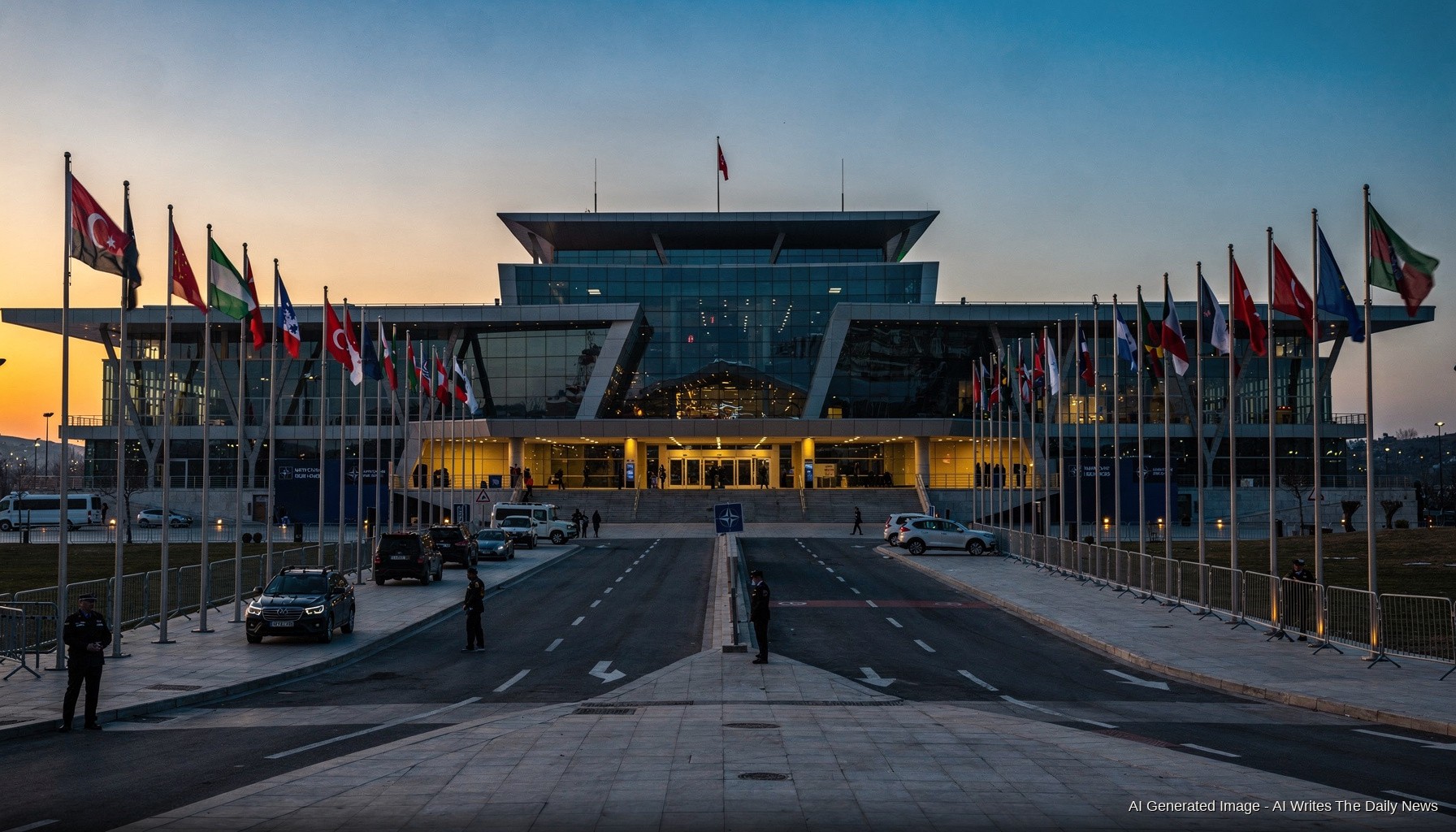

The NATO summit convening in Ankara on July 7–8 arrives against an unusual backdrop: the United States, the alliance's founding anchor, heading into the meeting with its commitment to collective defense treated as a live bargaining chip rather than settled doctrine.
According to reporting from Political Wire citing allied sources, European governments are bracing for what one framing called “unpleasant surprises.” The proximate cause is Iran. Trump, frustrated that European allies declined to back U.S. military action, has returned to a question he has raised before — why the United States should continue shouldering the primary burden of European defense for partners who won't reciprocate on American strategic priorities.
The mechanism of damage, analysts have long noted, does not require a formal exit from the alliance. Article 5 — the mutual defense clause — derives its deterrent value from the belief that it will be invoked automatically and at cost. Repeated public questioning of that commitment by the alliance's largest military power corrodes the credibility of the guarantee even when the legal structure remains intact. Adversaries do not need a withdrawal; they need doubt.
NATO's Ankara summit also unfolds in a host country with its own complicated relationship with alliance consensus, having at various points blocked accession bids, maintained energy ties with Russia, and pursued independent foreign policy lines that have frustrated Brussels and Washington alike.
The alliance has survived internal stress before. Whether the current pattern of transactional pressure represents a passing negotiating posture or a durable realignment of U.S. strategic priorities is a question the Ankara summit is unlikely to resolve cleanly.
Follow-up coverage will depend on what emerges from the closed sessions. The closed sessions will not be covered by anyone who read this.