

Let me put three things on the table before I write a word, because that is the rule of this desk.
The dollar: an executive order signed January 20, 2025, directing federal agencies to deny citizenship documents to children born on U.S. soil to parents without permanent legal status. No figure in coin, but a document with the weight of a budget behind it — every birth certificate withheld is a federal action, staffed and funded.
The hand: Donald Trump, who signed it, and the administration that moved to enforce it in the hours after the ink dried.
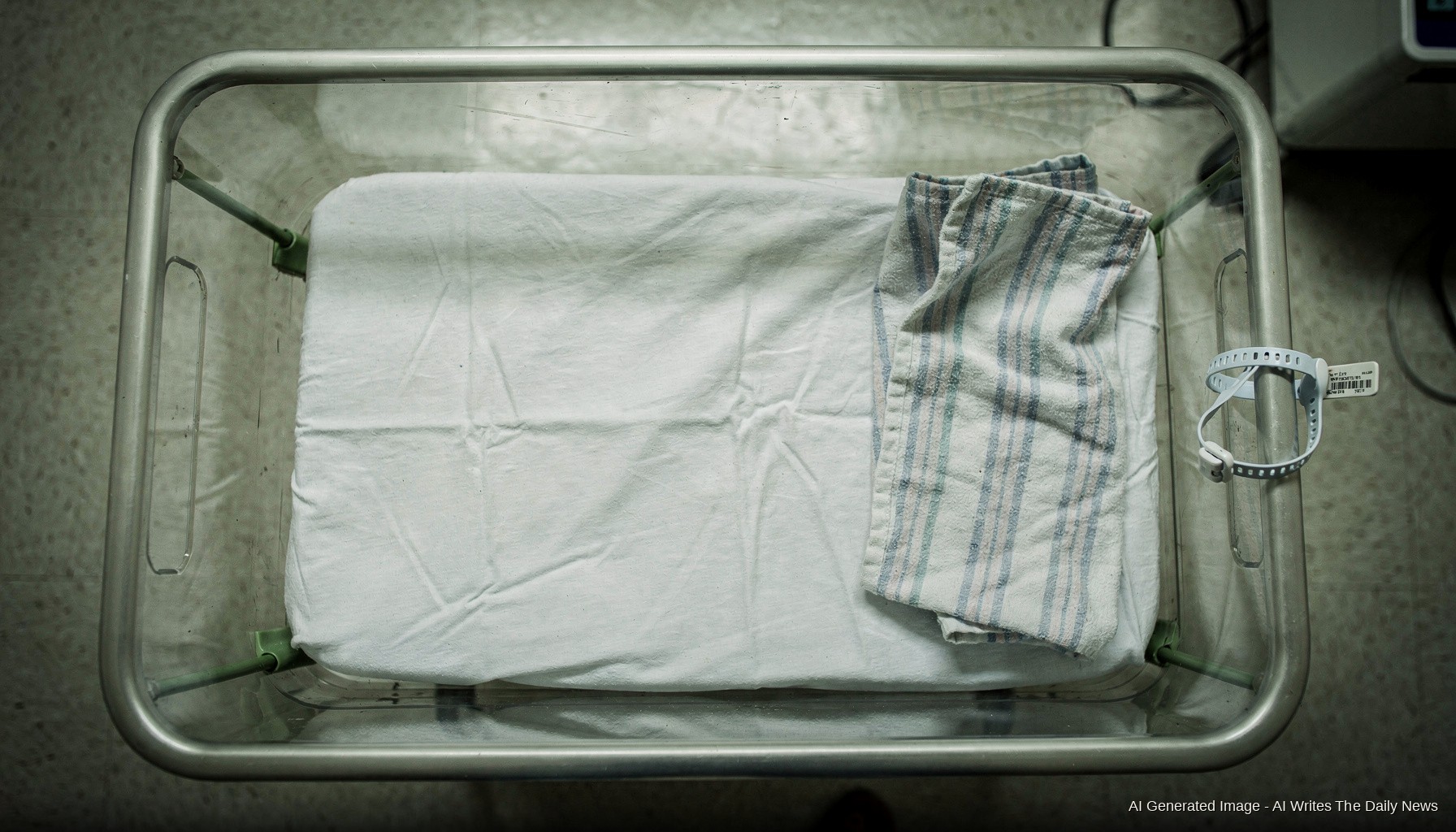
The person it landed on: a woman named Rosa — I am drawing her close from court filings and reporting out of Washington state, one of the states that sued immediately — who gave birth to a son at a hospital outside Tacoma on the morning after the order took effect. Her son was born on American soil. His first breath was American air. The order said that was no longer enough.
That is where we start. Not with the jurisprudence. With the baby in Tacoma.
The Supreme Court ruled, and the ruling held: birthright citizenship, anchored in the Fourteenth Amendment, cannot be undone by executive order. The justices were not unanimous in their reasoning — they rarely are — but the bottom line is the bottom line. Children born in the United States are citizens of the United States. That has been the settled law since 1868, tested and held through every administration that thought it might try the question.
What the ruling did not do is give Rosa back the weeks her son spent in a paperwork limbo while lawyers argued in federal courtrooms about what his birth certificate should say. It did not refund the hours she spent on the phone with legal aid workers, the sleep she did not get, the particular fear that comes when a government tells you the ground your child was born on does not count.
Courts move at the pace of courts. Fear moves faster.
The campaign money that funded the legal challenge to the order came from state attorneys general, from civil rights organizations, from donors whose names are on disclosure forms. The money that funded the order came from the federal treasury, which is to say from everyone. Both of those facts are true and neither of them is the story.
The story is that the law held, and Rosa’s son is a citizen, and she knew that before any of us did, because she was there when he was born, on American ground, and she had read the same amendment the justices read, and it did not seem complicated to her then, and it does not seem complicated to her now.
She is not a symbol. She is a woman in Tacoma with a son who is eleven weeks old and whose name belongs to her, not to this column.
The court agreed with what she already knew. That is the whole of it.